Turbocharger vs Supercharger: What's the Difference?
Turbochargers and superchargers do the same basic job: they force more air into the engine so it can burn more fuel and make more power. The difference is where they get the energy to do it, and that one difference drives everything else, from fuel economy to throttle response to which one ends up on a diesel. Here is how they compare, and why almost every diesel engine on the road runs a turbo.
Both Are Forced Induction
A naturally aspirated engine only pulls in as much air as atmospheric pressure allows. Forced induction changes that by pumping in compressed air, s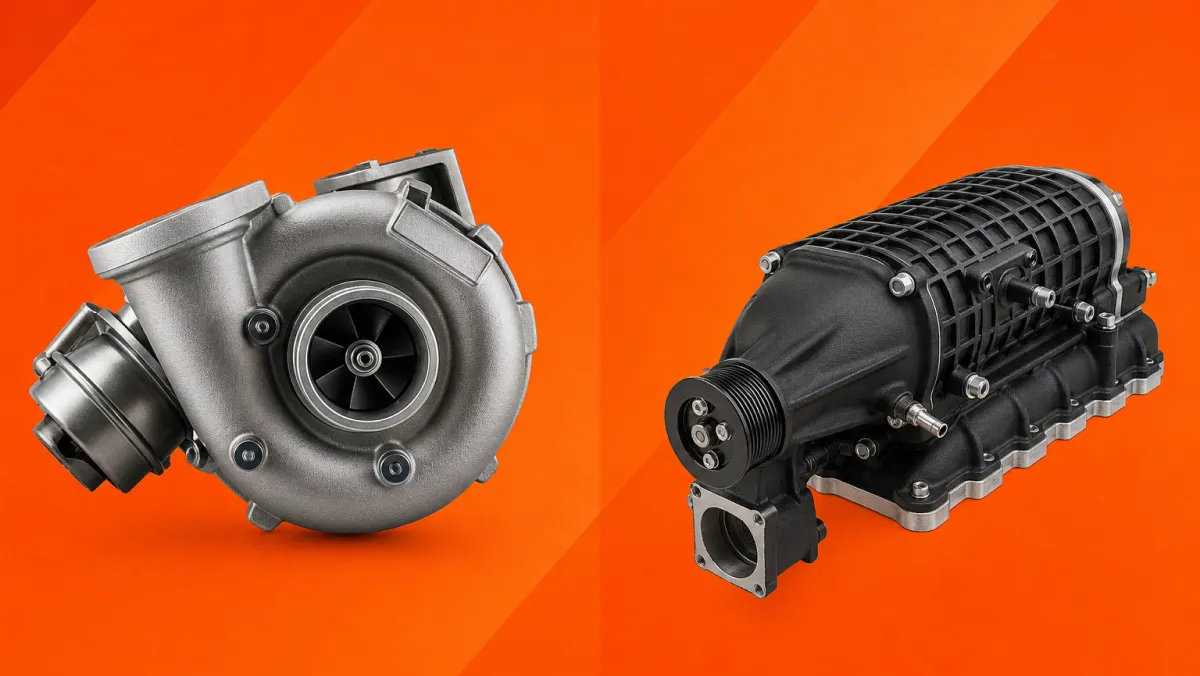 o more oxygen reaches the cylinders and the engine can burn more fuel per stroke. Both a turbocharger and a supercharger are air pumps built for this. The split is in how each one is driven.
How a Turbocharger Works
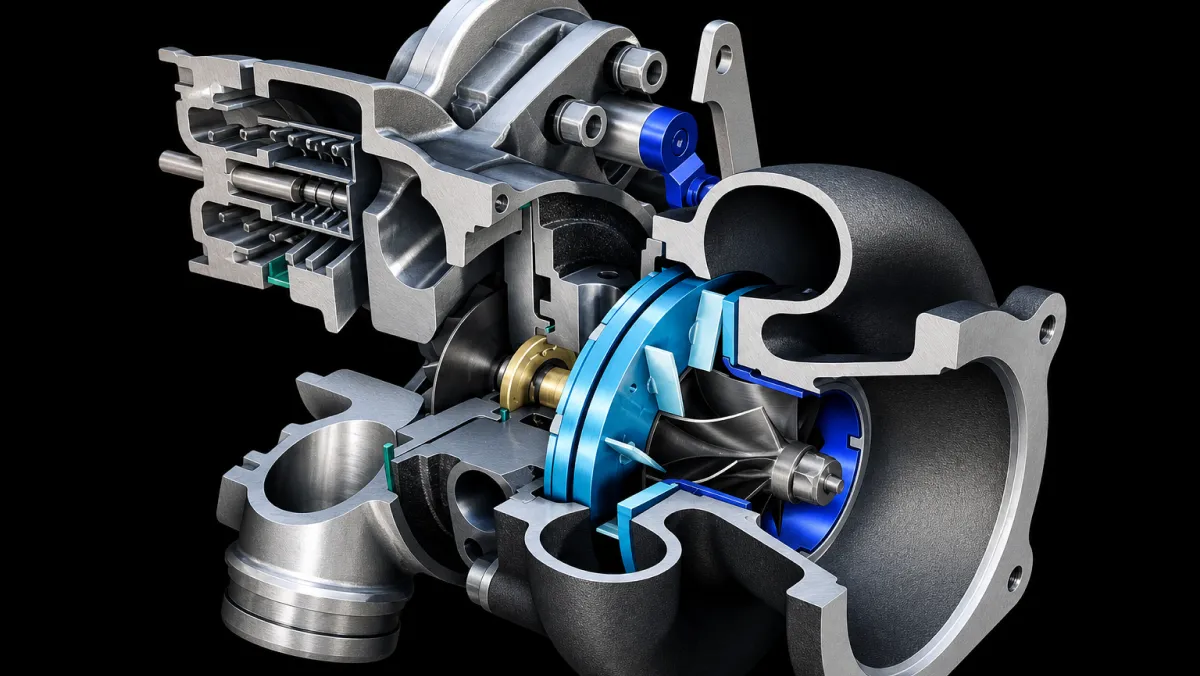
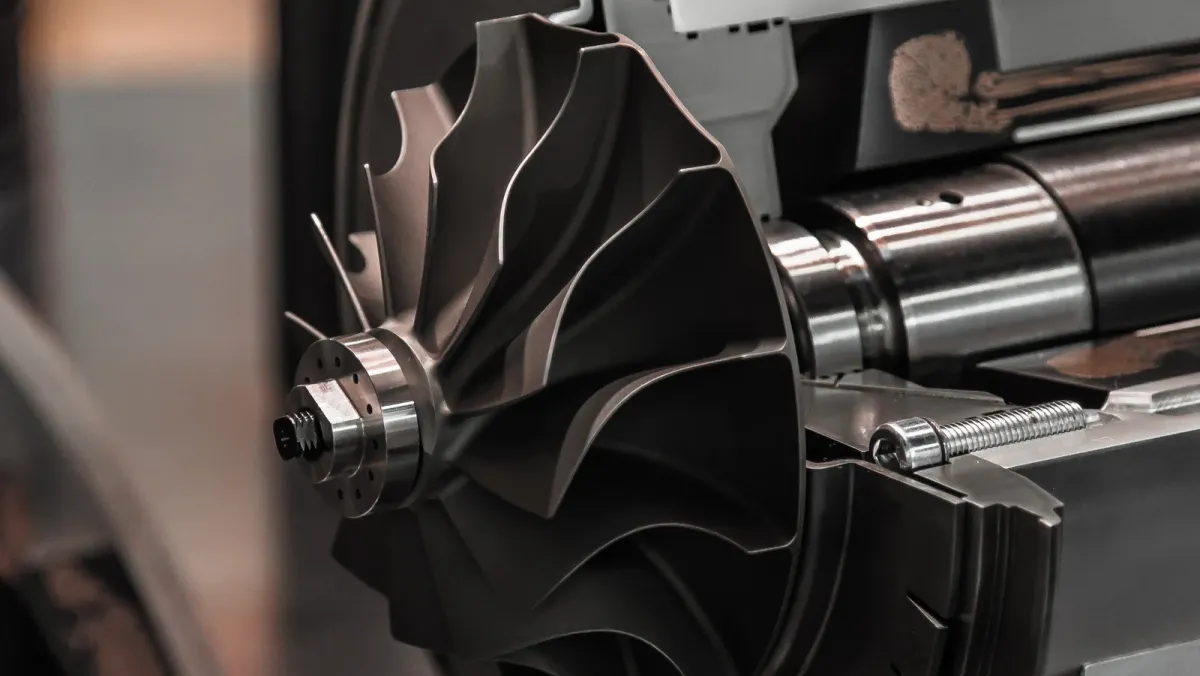
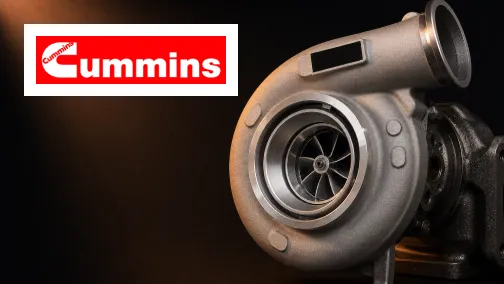
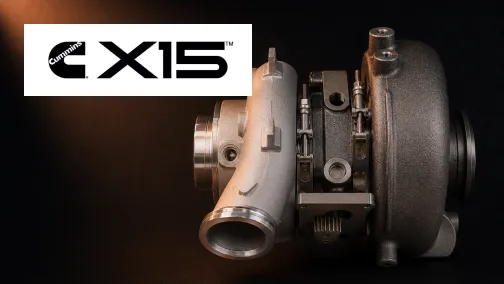
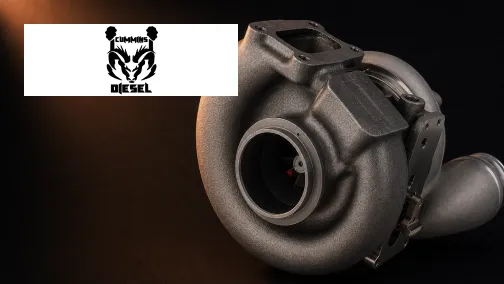
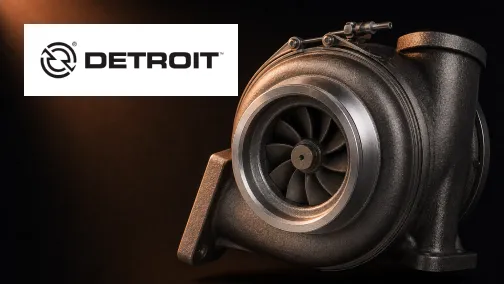
A turbocharger runs on exhaust gas the engine is already throwing away. Hot exhaust spins a turbine wheel, the turbine drives a shaft, and the shaft spins a compressor wheel that packs air into the intake. Because it feeds on waste heat, a turbo adds power without taking much back from the engine. That free-energy trait is the main reason turbos dominate.
How a Supercharger Works
A supercharger is driven straight off the crankshaft through a belt, gear or chain. As engine RPM climbs, the supercharger spins proportionally faster and delivers air right away. The catch is that it takes its power from the engine itself. A supercharger can eat up a meaningful slice of the engine's output to make its boost, which is the trade for instant response.
Side-by-Side Comparison
| Factor | Turbocharger | Supercharger |
|---|---|---|
| Driven by | Exhaust gas (waste energy) | Crankshaft belt/gear |
| Throttle response | Some lag at low RPM | Instant, no lag |
| Fuel efficiency | Better; uses waste heat | Worse; draws engine power |
| Power gain | Around 20-30%, more on bigger units | Higher peak, but with parasitic loss |
| Heat | Runs hot; usually needs an intercooler | Cooler intake side |
| Best suited to | Diesels, fuel-conscious builds, heavy-duty | Performance gas engines wanting instant power |
Turbo Lag vs Instant Boost
The one clear edge a supercharger has is response. Since it is tied to the crank, boost arrives the moment you open the throttle. A turbo needs exhaust flow to build before the turbine spools, so there can be a short delay off idle, what people call turbo lag. Modern designs have largely closed that gap with smaller turbos, twin-turbo setups, and variable-geometry turbos that change the exhaust flow path. On a heavy diesel, a VGT turbo spools early and pulls hard through the rev range, so lag is rarely the issue it once was.
Why Diesels Almost Always Use Turbos
For diesel engines the turbocharger is the obvious choice, and you will struggle to find a modern diesel that uses a supercharger instead. A few reasons drive that:
- Diesels live on airflow. Diesel power comes from injecting more fuel into more air. A turbo delivers that extra air without robbing the crank, which keeps fuel economy where fleets need it.
- Diesels make strong exhaust energy. High compression and high exhaust flow give a turbine plenty to work with, so a turbo spools well on a diesel.
- Emissions and fuel rules. Turbos help diesels meet tighter emissions and economy standards, which a parasitic supercharger works against.
- Low-end torque. Modern VGT and wastegated turbos build boost low in the rev range, which is exactly where a loaded truck needs it.
That is why every heavy-duty diesel we supply, from Cummins to Ford Powerstroke, runs a turbocharger rather than a supercharger.
What About Twin-Charging?
Some performance gas engines run both, a setup called twin-charging. A supercharger handles low-RPM response while a turbo takes over up top, covering each other's weak spot. It is clever, but it is complex and expensive, and it stays in the performance-car world. You will not see it on a work truck, where a single well-matched turbo does the job more simply and reliably.
Which One Is Right?
If you want instant throttle response on a gas performance build and you can accept the fuel and parts cost, a supercharger has a place. For everything else, especially anything diesel or anything that has to earn its keep, the turbocharger wins on efficiency, power per dollar, and durability. For heavy-duty trucks, equipment and fleets, it is not really a contest.

FAQ
It depends on the engine and the goal. A turbocharger is more fuel efficient and makes more power per dollar, which is why it suits diesels and most modern engines. A supercharger gives instant response with no lag, which suits some gas performance builds. For diesel and heavy-duty work, the turbo is the better choice.
Diesels rely on airflow to burn more fuel, and a turbo adds air using exhaust energy the engine would otherwise waste, without robbing the crankshaft. Diesels also produce strong exhaust flow that spools a turbine well, and turbos help meet emissions and fuel-economy rules. A supercharger's parasitic drag works against all of that.
No. A supercharger is driven directly by the crankshaft, so boost arrives the instant you open the throttle. Turbo lag is unique to turbochargers, since they need exhaust flow to spool, though modern VGT and twin-turbo designs have largely minimized it.
Yes, that setup is called twin-charging: a supercharger covers low-RPM response and a turbo handles the top end. It works but is complex and costly, so it stays in performance cars and is not used on heavy-duty trucks.
A supercharger can deliver a higher peak boost with no lag, but it costs engine power to do it. A turbocharger typically adds around 20 to 30 percent, more on larger units, while keeping efficiency. On diesels, large turbos produce strong, usable power across the rev range.
Yes. A turbocharger runs on waste exhaust heat, so it adds power without drawing from the crankshaft. A supercharger pulls its drive power from the engine, which lowers fuel economy. That efficiency gap is a big reason turbos are standard on diesels.