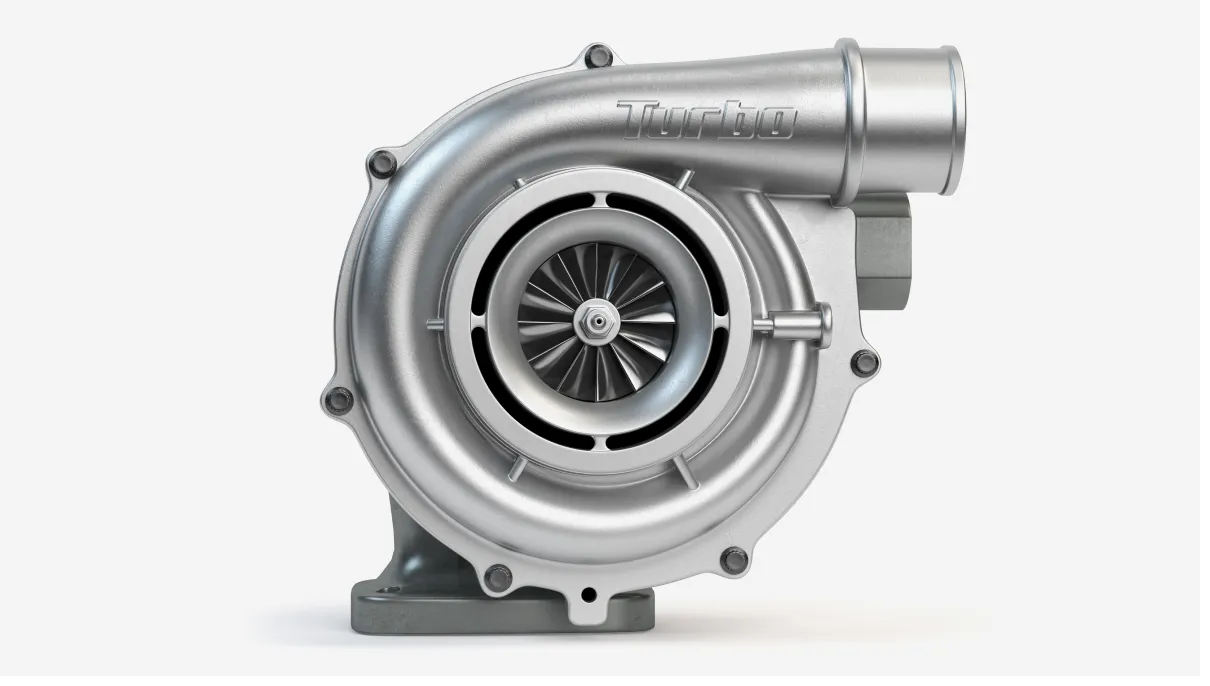
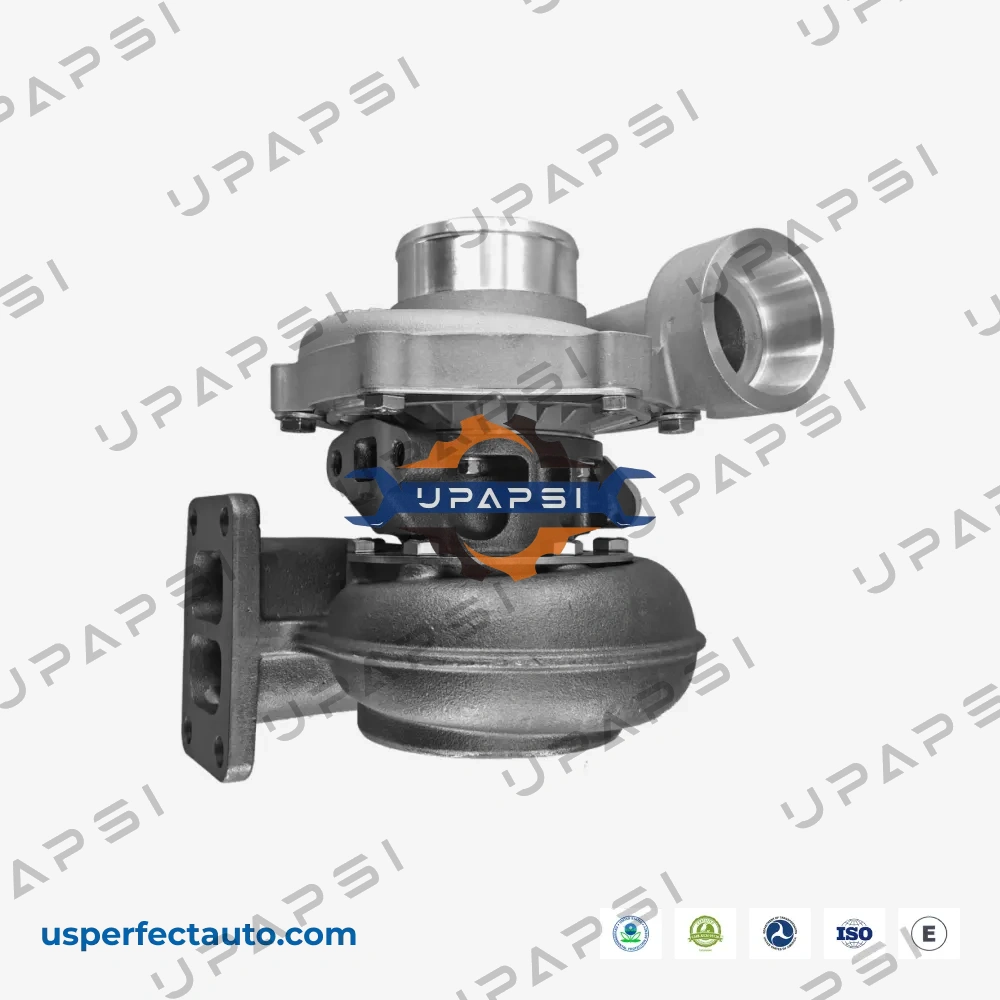
Turbocharger 466608-9002 for John Deere Combine 6600 6620 7700 7720 8820
466608-5001, 408970-9002, SE500256, RE19778, AR100241, AR63699, AR64626, RE10968
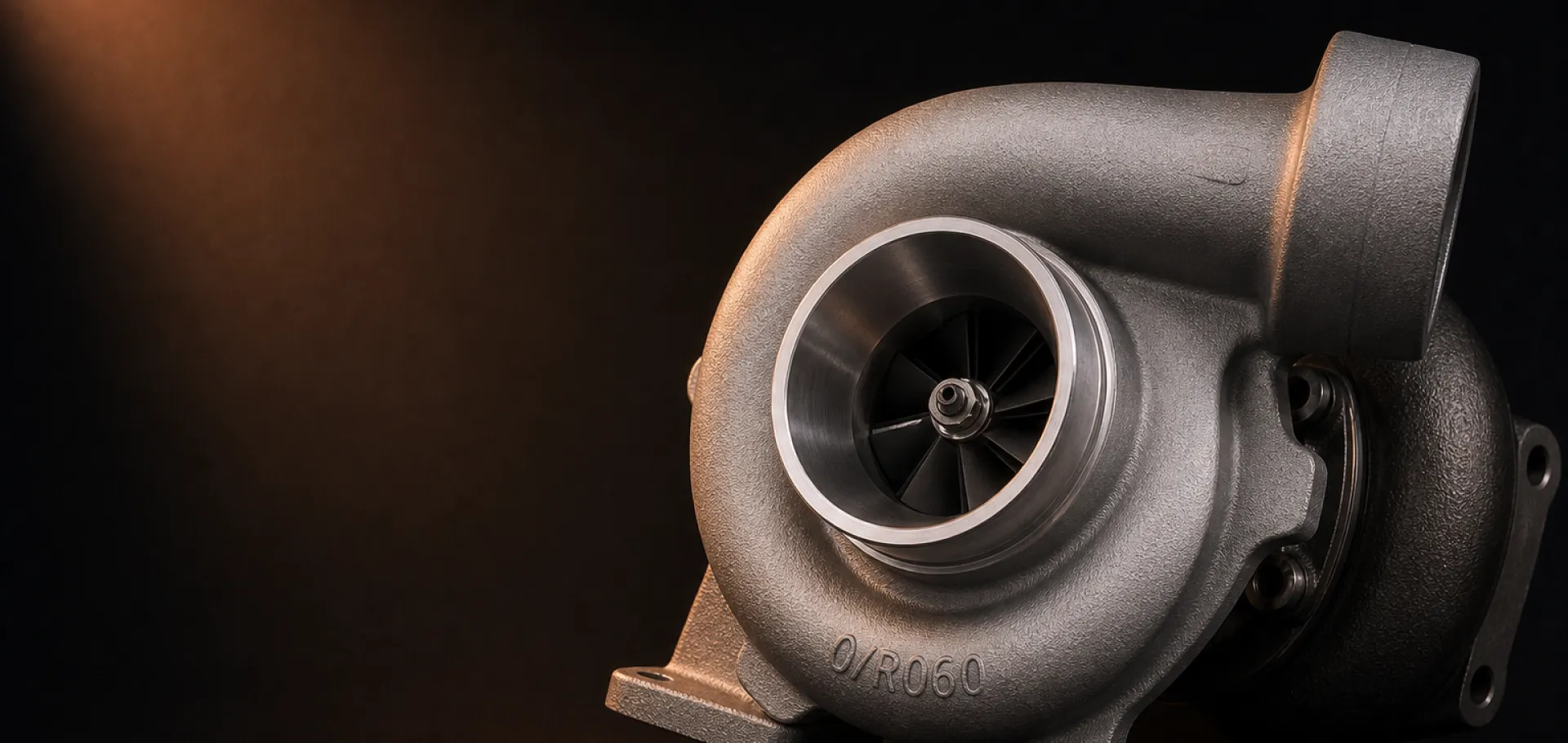
New Garrett Replacement Turbochargers for John Deere Combines, Tractors and Industrial Equipment
John Deere turbocharged equipment has been working since the 1960s, and millions of units with the 6-466 and 4239 diesel engines are still running on farms, construction sites and municipal operations across North America. These are Garrett T04-family turbochargers — simple, durable, wastegated units that eventually wear out from decades of service. Finding a quality new replacement gets harder every year as the machines age out of dealer support. We stock brand new Garrett-type turbochargers for two core John Deere engine families: the six-cylinder 6-466 powering combines like the 6620, 7720 and 8820 and large tractors like the 4440, 4640 and 8430, and the four-cylinder 4239 powering mid-size tractors like the 2030, 2555 and 2750 and crawlers like the 450 and 550 series. Every unit is new-built, matched by John Deere or Garrett part number, and ships from US stock. Ag shops, equipment dealers and distributors welcome.
466608-5001, 408970-9002, SE500256, RE19778, AR100241, AR63699, AR64626, RE10968
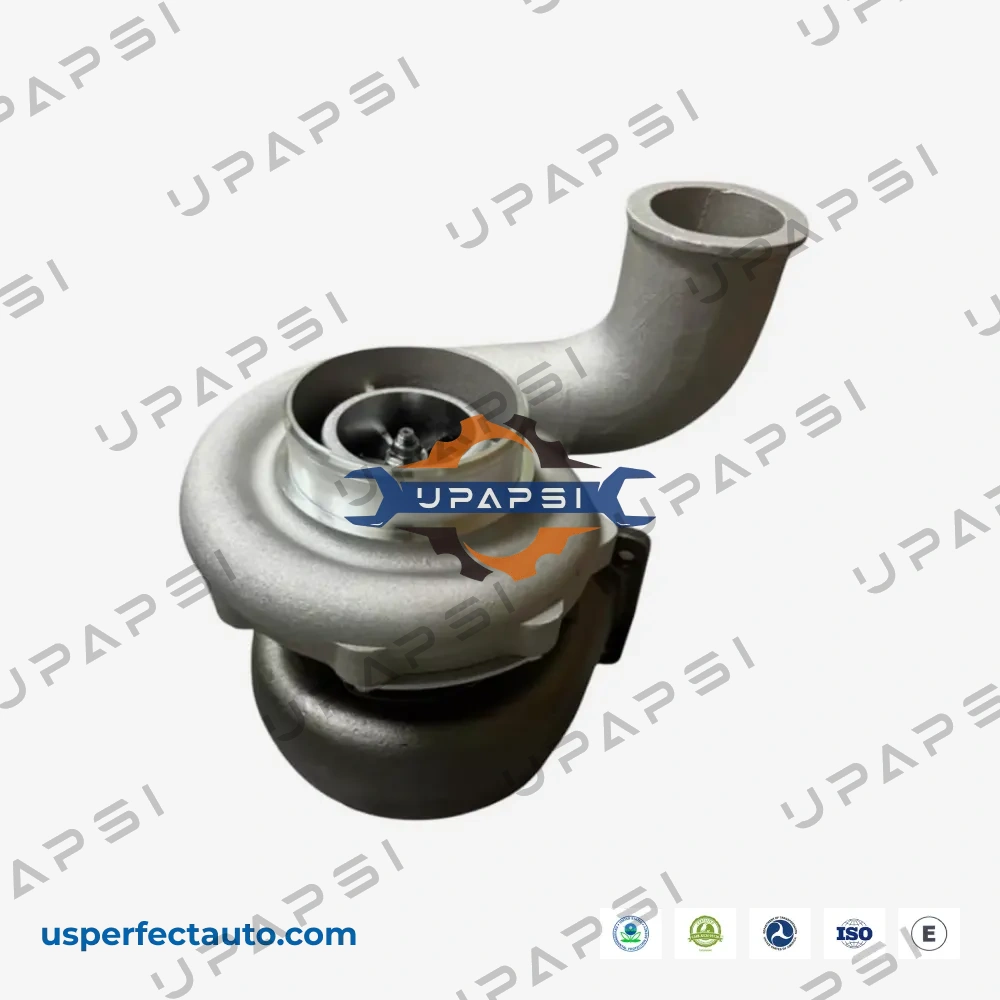
167288, 167484, 167734, 168678, 168683, RE54979, T30820, R55509, R89879, RE57184
John Deere legacy equipment stays in service for decades — the machines are built for it, and the operators know them. The challenge is sourcing turbo parts that match the original specs on equipment long past its dealer support window. We keep new Garrett-type turbos on the shelf for the two most common John Deere engine families so your shop can keep these machines running without chasing salvage yards or settling for worn rebuilds.
We stock turbos for both major John Deere engine families: the six-cylinder 6-466 and the four-cylinder 4239. The 6-466 powers the large combines and high-horsepower tractors; the 4239 powers the mid-range tractors and crawlers. Two turbos cover a fleet of John Deere iron spanning twenty-plus model numbers.
The same 6-466 turbo fits the 6620 combine, the 4450 tractor, the 644C loader and the 770A grader. The same 4239 turbo fits the 2030 tractor and the 450C crawler. We match by engine and part number, not by machine type — one turbo, many applications.
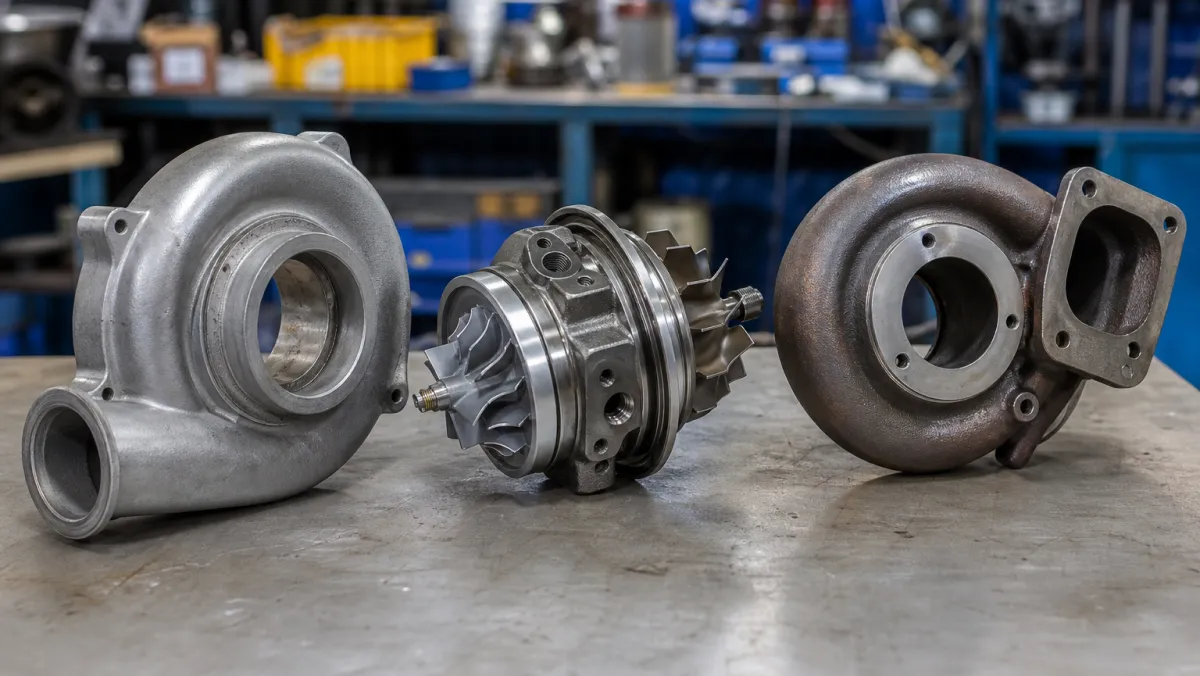
These machines are old. The turbo quality should not be. Our units are manufactured to the same Garrett T04B dimensional specs as the original equipment, with new bearings, new wheels, new seals and new housings. Modern materials and machining on a proven design.
These turbos carry both a Garrett number (T04B family) and a John Deere part number, and either one identifies the unit. Send us the number off the old turbo's dataplate — Garrett or John Deere — and we cross-reference both catalogs to confirm the match before anything ships.
Every John Deere turbo we ship is 100% new — not pulled from a salvage machine, not rebuilt from a worn core. No core charge, nothing to return. On equipment this old, rebuilt turbos carry unknown history and uncertain tolerances. A new unit starts clean. One-year warranty on every turbo, handled by our US team — see the warranty page.
Agricultural equipment shops and rural equipment dealers order John Deere turbos as regular stock items during the growing season. Consistent wholesale pricing, US inventory, and the same part number verification on every order. See the wholesale page.
We stock turbos for both major John Deere engine families: the six-cylinder 6-466 and the four-cylinder 4239. The 6-466 powers the large combines and high-horsepower tractors; the 4239 powers the mid-range tractors and crawlers. Two turbos cover a fleet of John Deere iron spanning twenty-plus model numbers.
The same 6-466 turbo fits the 6620 combine, the 4450 tractor, the 644C loader and the 770A grader. The same 4239 turbo fits the 2030 tractor and the 450C crawler. We match by engine and part number, not by machine type — one turbo, many applications.
These machines are old. The turbo quality should not be. Our units are manufactured to the same Garrett T04B dimensional specs as the original equipment, with new bearings, new wheels, new seals and new housings. Modern materials and machining on a proven design.
These turbos carry both a Garrett number (T04B family) and a John Deere part number, and either one identifies the unit. Send us the number off the old turbo's dataplate — Garrett or John Deere — and we cross-reference both catalogs to confirm the match before anything ships.
Every John Deere turbo we ship is 100% new — not pulled from a salvage machine, not rebuilt from a worn core. No core charge, nothing to return. On equipment this old, rebuilt turbos carry unknown history and uncertain tolerances. A new unit starts clean. One-year warranty on every turbo, handled by our US team — see the warranty page.
Agricultural equipment shops and rural equipment dealers order John Deere turbos as regular stock items during the growing season. Consistent wholesale pricing, US inventory, and the same part number verification on every order. See the wholesale page.

WHY CHOOSE US
Harvest does not wait for parts. We hold John Deere turbos on a US shelf year-round, verify the part number match before dispatch, and ship fast. More about our company and quality process.
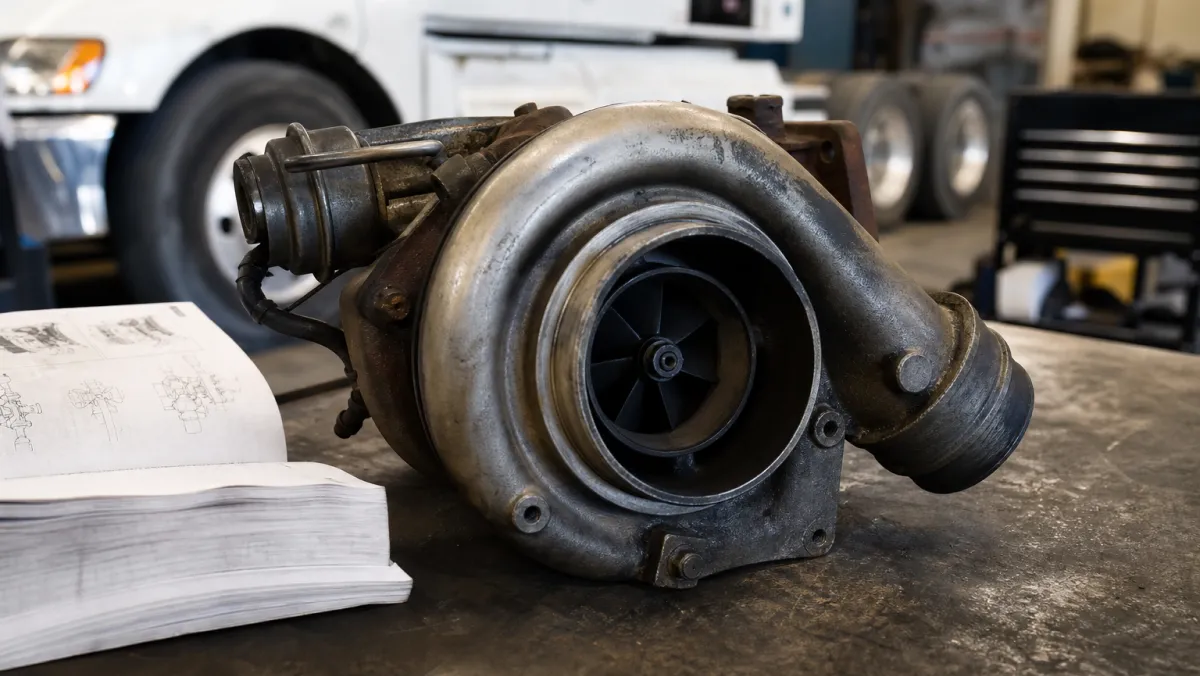
The John Deere 6600, 6602, 6620, 6622, 7700, 7720 and 8820 combines with the six-cylinder 6-466 diesel engine use a Garrett T04B-family turbocharger. Our part number 466608-9002 covers this full range. Match by the Garrett or John Deere part number on the old turbo's dataplate — RE19778, AR100241 and SE500256 are common John Deere cross-references for this unit.
In many cases, yes. The 6-466 engine turbo is the same whether it sits in a 7720 combine, a 4450 tractor or a 644C loader — the turbo is matched to the engine, not the machine. The four-cylinder 4239 engine also shares its turbo across tractors (2030, 2555, 2750) and crawlers (450, 550). Verify by engine model and turbo part number to be certain.
Two identifiers: the engine model (6-466 or 4239, stamped on the engine dataplate) and the part number on the old turbo. Alternatively, the John Deere part number from the machine's parts catalog works — we cross-reference RE, AR and SE prefix numbers to the correct turbo. Send us any one of these and we confirm the match.
All units are 100% brand new. No rebuilt cores, no salvage units. New bearings, wheels, seals and housings manufactured to OEM-spec dimensions. No core charge, one-year warranty.
The Garrett T04B turbo family was used across multiple equipment manufacturers that shared the same engine families. If your equipment runs a compatible engine with a matching Garrett part number, the turbo will fit. Contact us with the part number from your old turbo and we can confirm compatibility.
Yes. Agricultural equipment dealers and farm equipment repair shops order during peak season for inventory. Consistent wholesale pricing from US stock. See the wholesale page.
John Deere's turbocharged diesel engines have been running in agricultural and industrial equipment since the late 1960s. The turbo systems on these machines are simpler than modern truck VGT units — fixed geometry, wastegated, and entirely mechanical. They last a long time, but nothing lasts forever.
| Engine | Cylinders | Turbo type | Common equipment |
|---|---|---|---|
| 6-466 | Six | T04B11 (466608-9002) | 6620/7720/8820 combines, 4430/4440/4450/4640/4850 tractors, 644C/690B loaders |
| 4239 | Four | T04B32 (167288) | 1830/2030/2130/2555/2750 tractors, 450/550 crawlers |
Unlike modern truck VGT turbos that fail from soot-jammed vane mechanisms, these legacy Garrett turbos fail from pure wear. Thirty to fifty years of thermal cycling, bearing load and seal degradation eventually take their toll:
Farm equipment runs hard during planting and harvest and sits for months between. This cycle creates its own problems. Oil left in the turbo bearing section during storage can collect moisture and promote corrosion on the bearing surfaces. Before the first start of the season, pour a tablespoon of clean engine oil into the turbo oil inlet, hand-spin the shaft to distribute it, and idle the engine for several minutes before loading. This simple pre-season step protects the bearings during the critical first start when oil pressure has not yet reached the turbo.
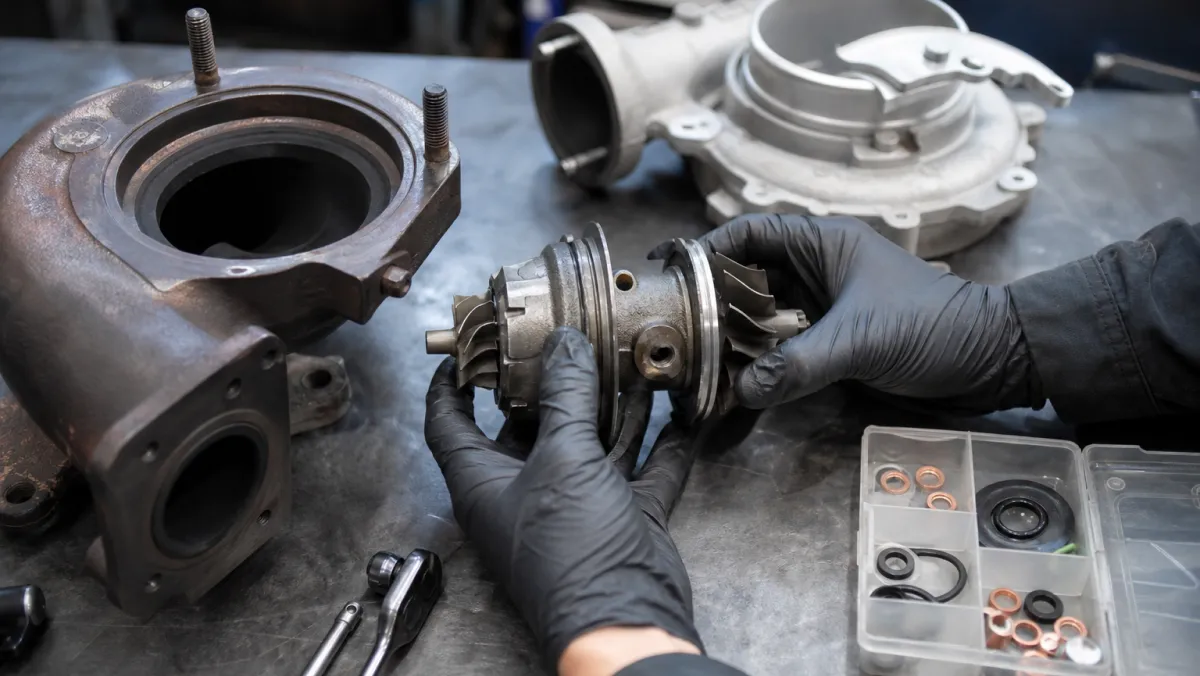
The job is straightforward on these older machines — no electronics, no calibration, no scan tool. Unbolt the exhaust and intake piping, disconnect the oil feed and drain lines, remove the turbo from the manifold. Before installing the new unit, flush the oil feed line with solvent and blow it clear with compressed air — decades of service leave carbon deposits that restrict flow. Install the new turbo, prime it with oil through the feed port, idle the engine and check for leaks before loading. Confirm the wastegate actuator moves freely and holds boost at the correct pressure.