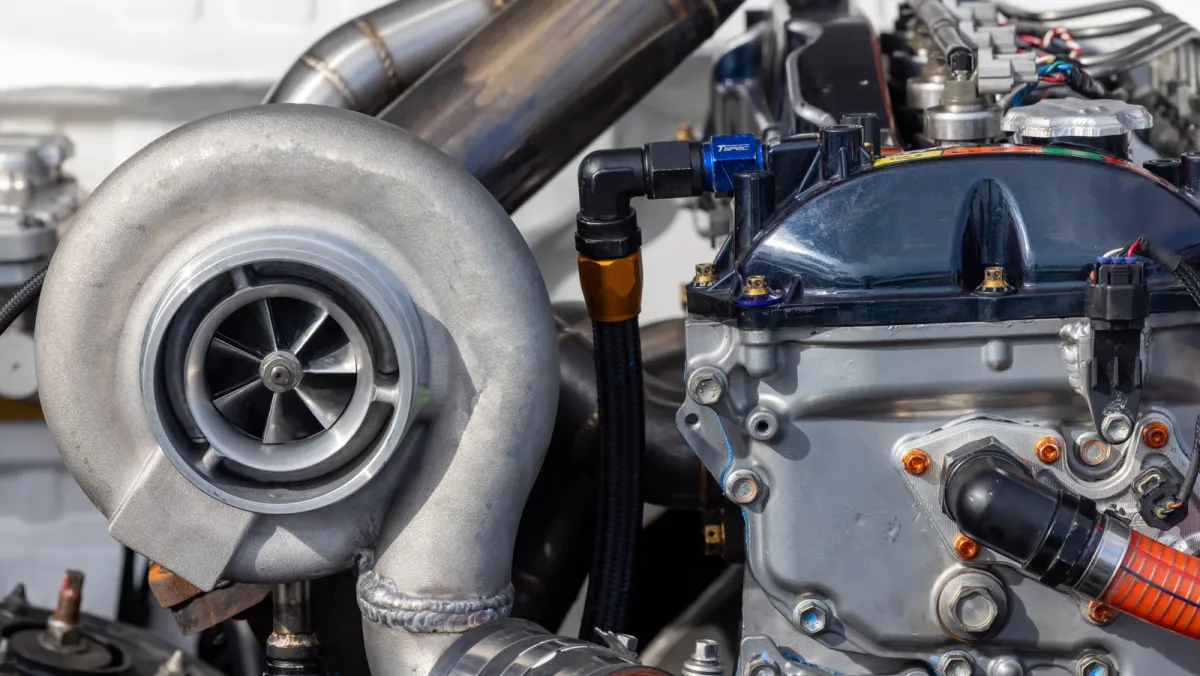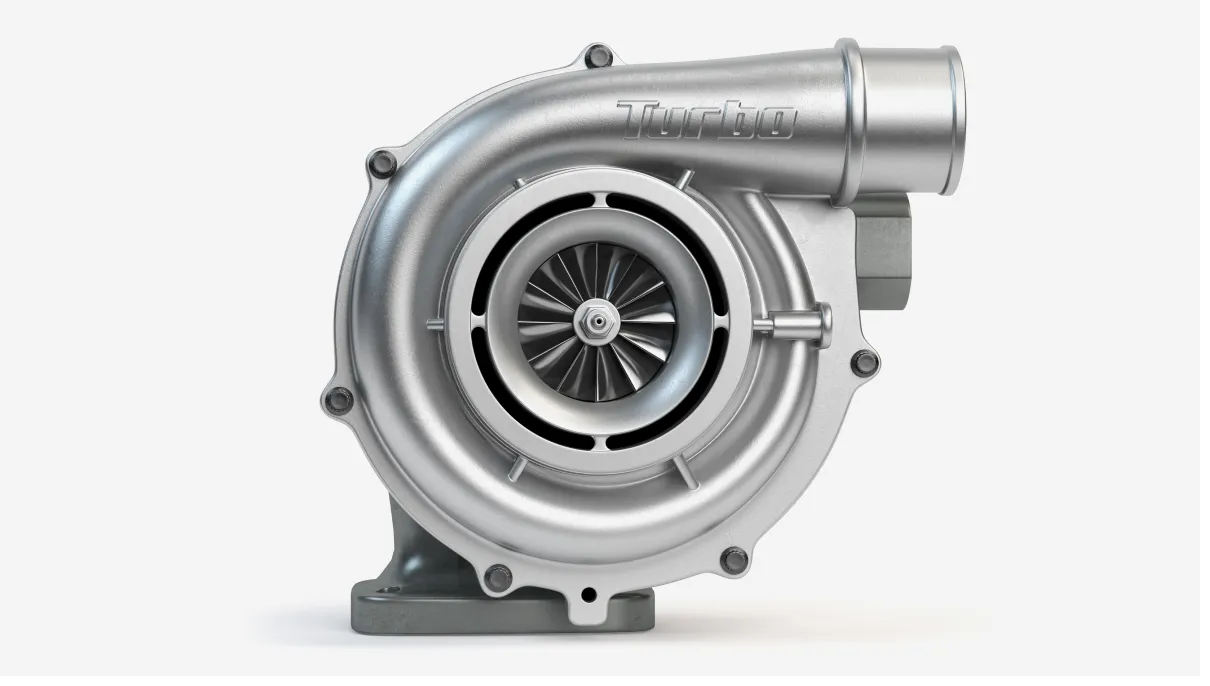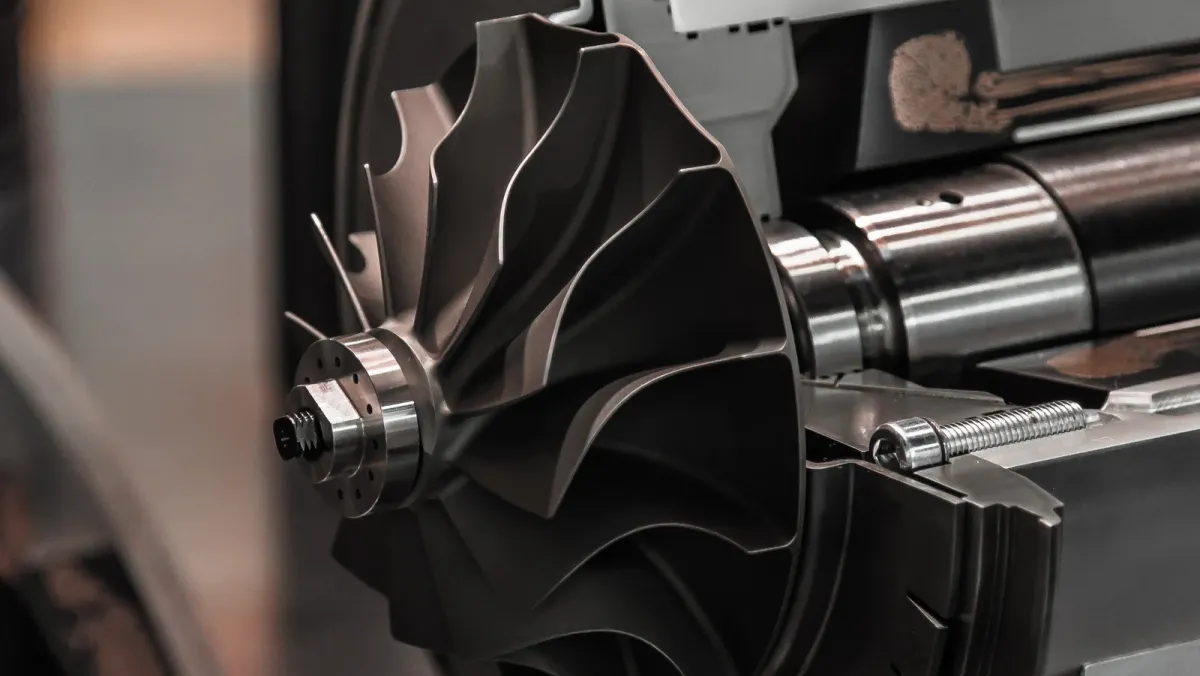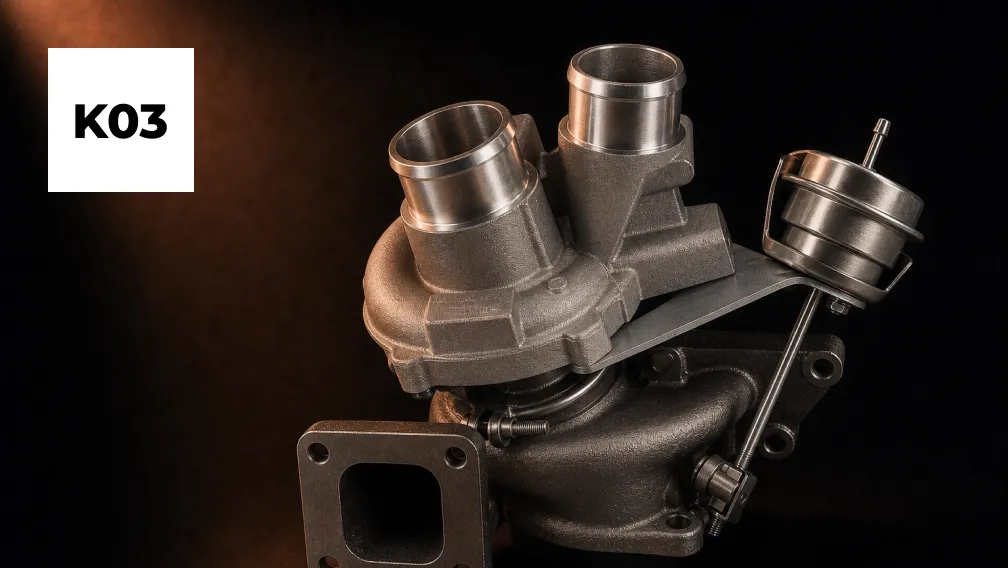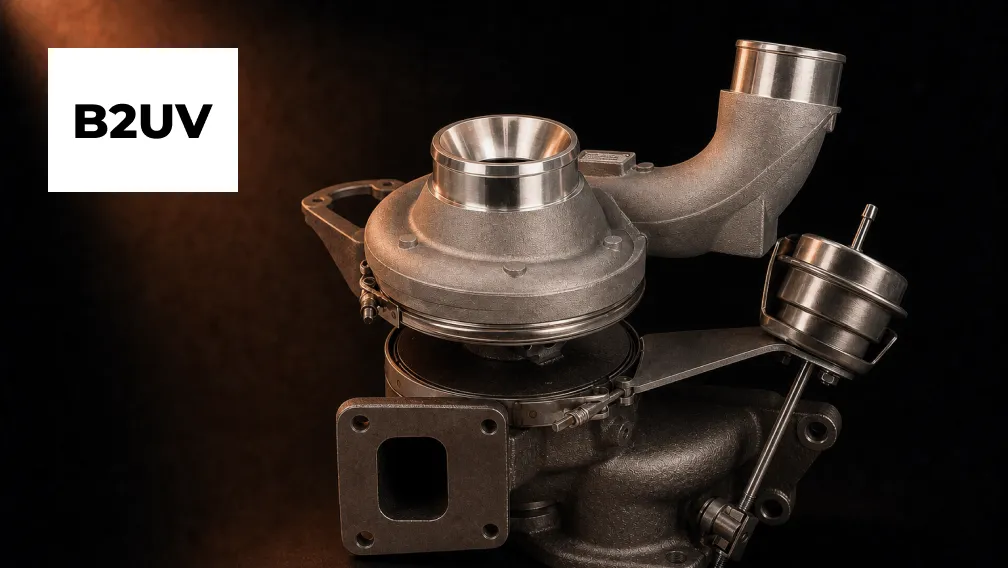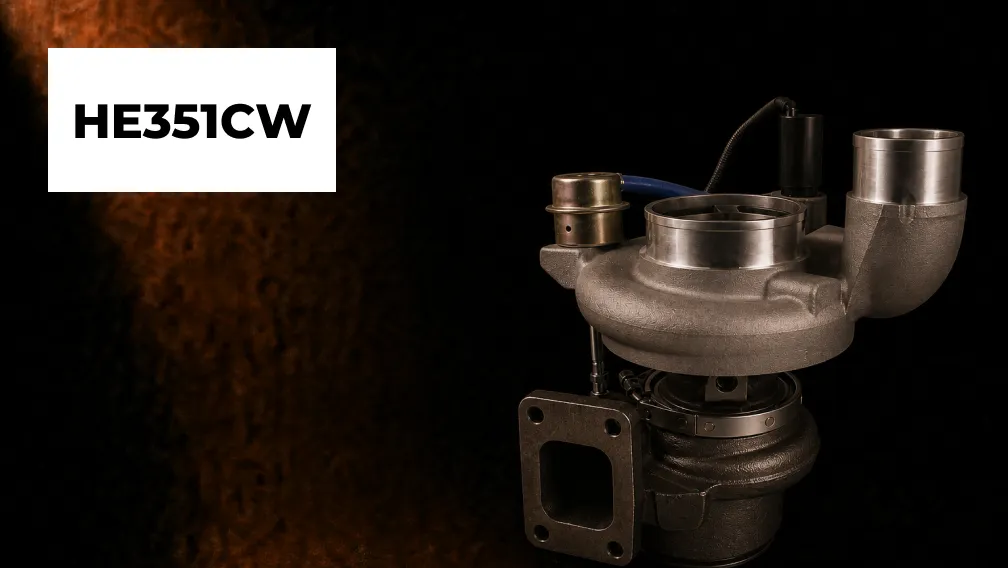
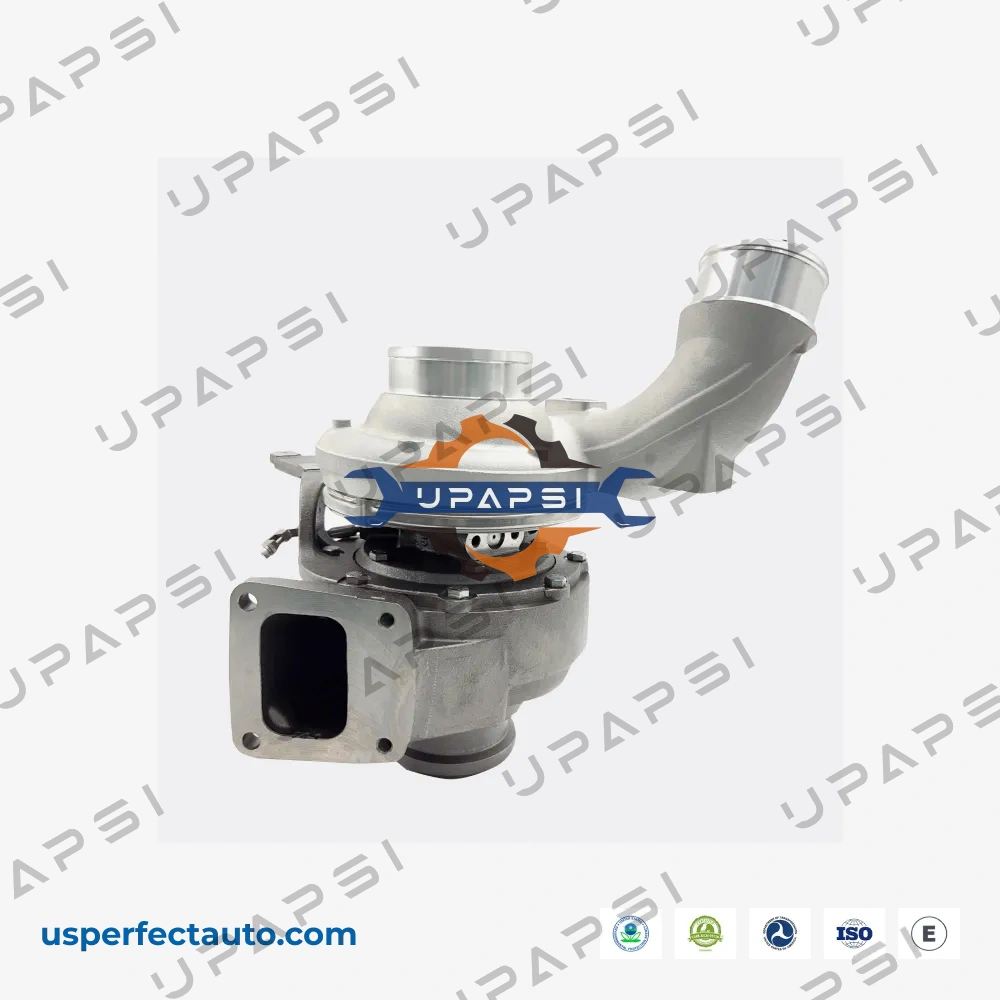
S300V 173900 Turbocharger for International DT466 DT570 MaxxForce 7.6L
173900, 173901, 173902, 473900, 1842337C95, 1842337C91, 1842337C92, 1842337C93, 1842337C94
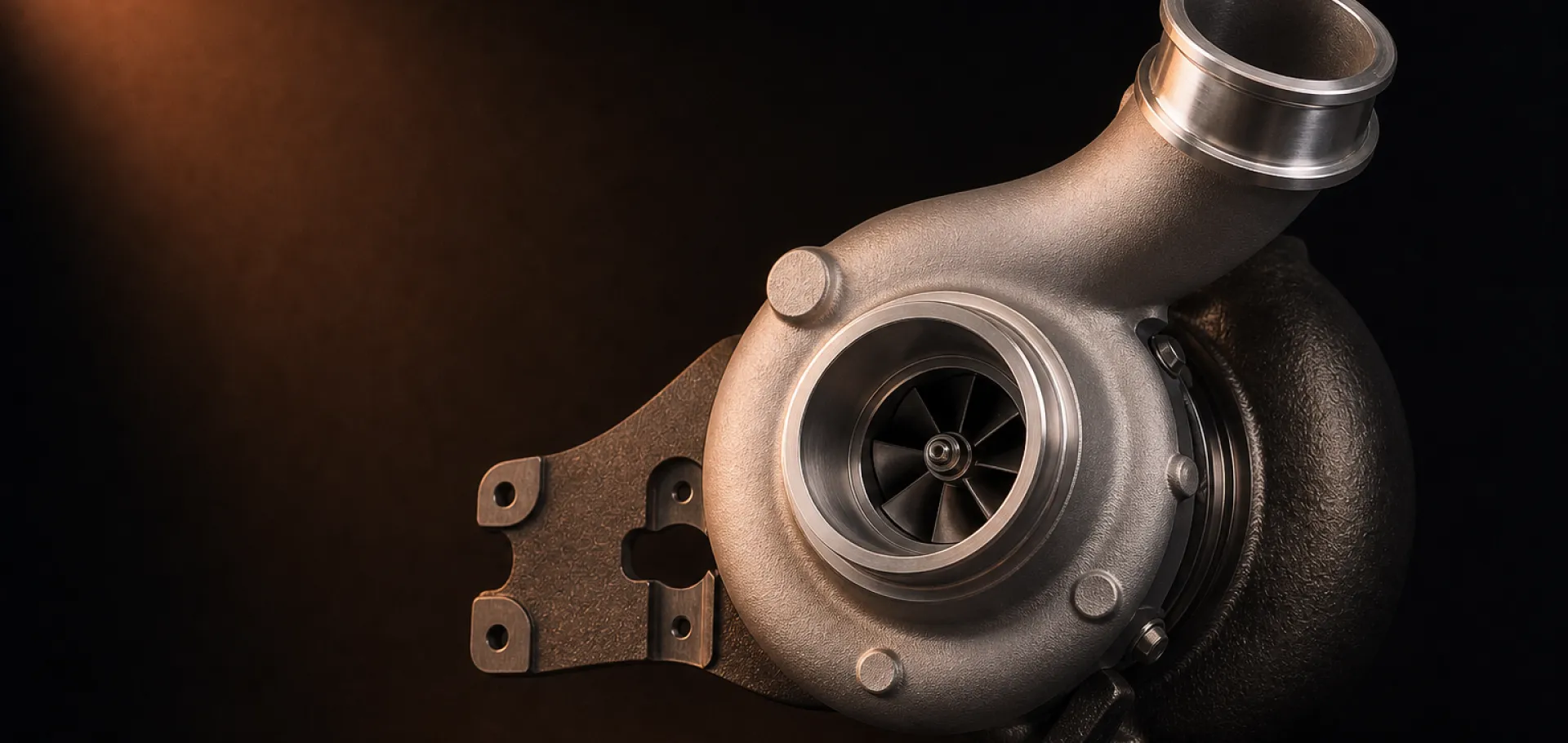
New BorgWarner S300V Turbochargers for International Navistar DT466 and DT570 Engines
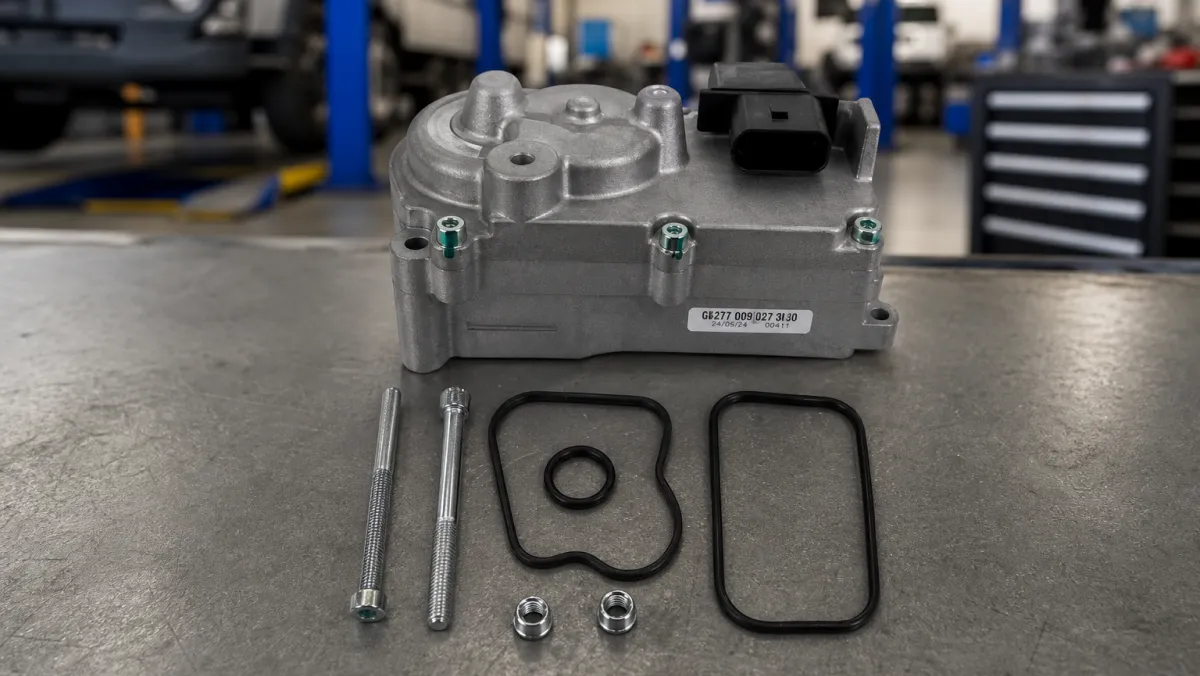
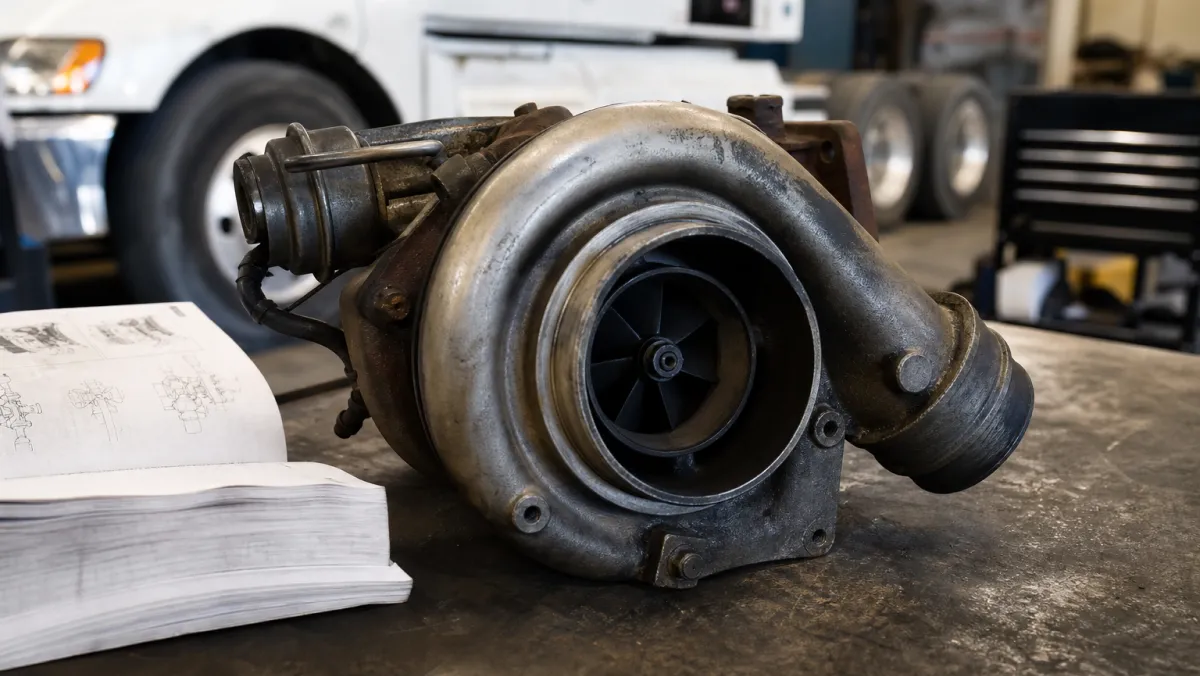
The BorgWarner S300V is the original turbocharger platform for the International Navistar DT466 and DT570 — the single-turbo, wastegated configuration that powered thousands of medium-duty trucks, school buses and delivery vehicles from 2003 through 2013. It predates the B2UV and the R2S twin-turbo on the DT466 timeline, and it remains the most common turbo on surviving early MaxxForce trucks. The S300V uses an electronic wastegate actuator (12V) for boost control — simpler than the B2UV's full VGT mechanism but still ECM-controlled. We stock brand new S300V turbochargers in three BorgWarner variants: 173900, 179033 and 179035, covering the full range of DT466 and DT570 engine codes from the I313 through I326 era. Every unit includes the electronic actuator, ships complete and ready to install, with no core charge. Shops, fleets and distributors order from US stock.
173900, 173901, 173902, 473900, 1842337C95, 1842337C91, 1842337C92, 1842337C93, 1842337C94
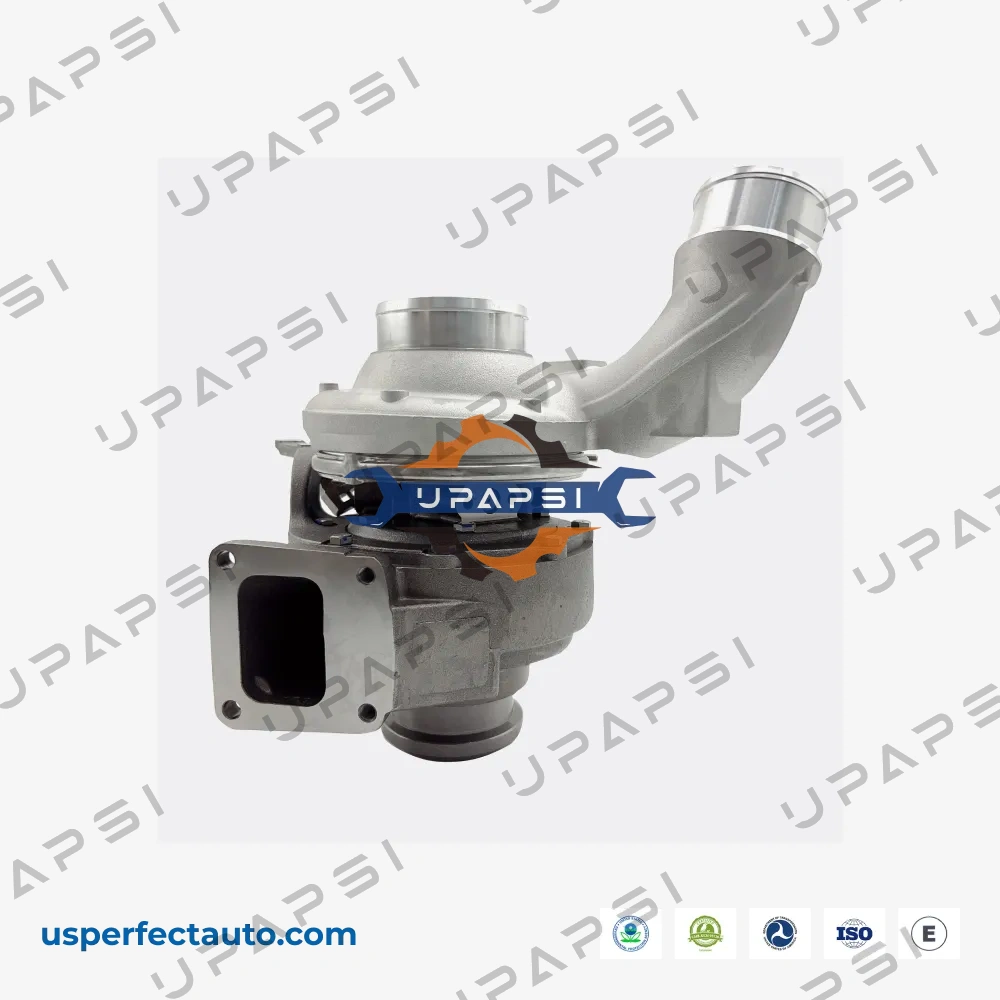
179035, 479035, 175243, 175733, 178739, 1831833C91, 1832204C91, 1832204C92, 1871090C91
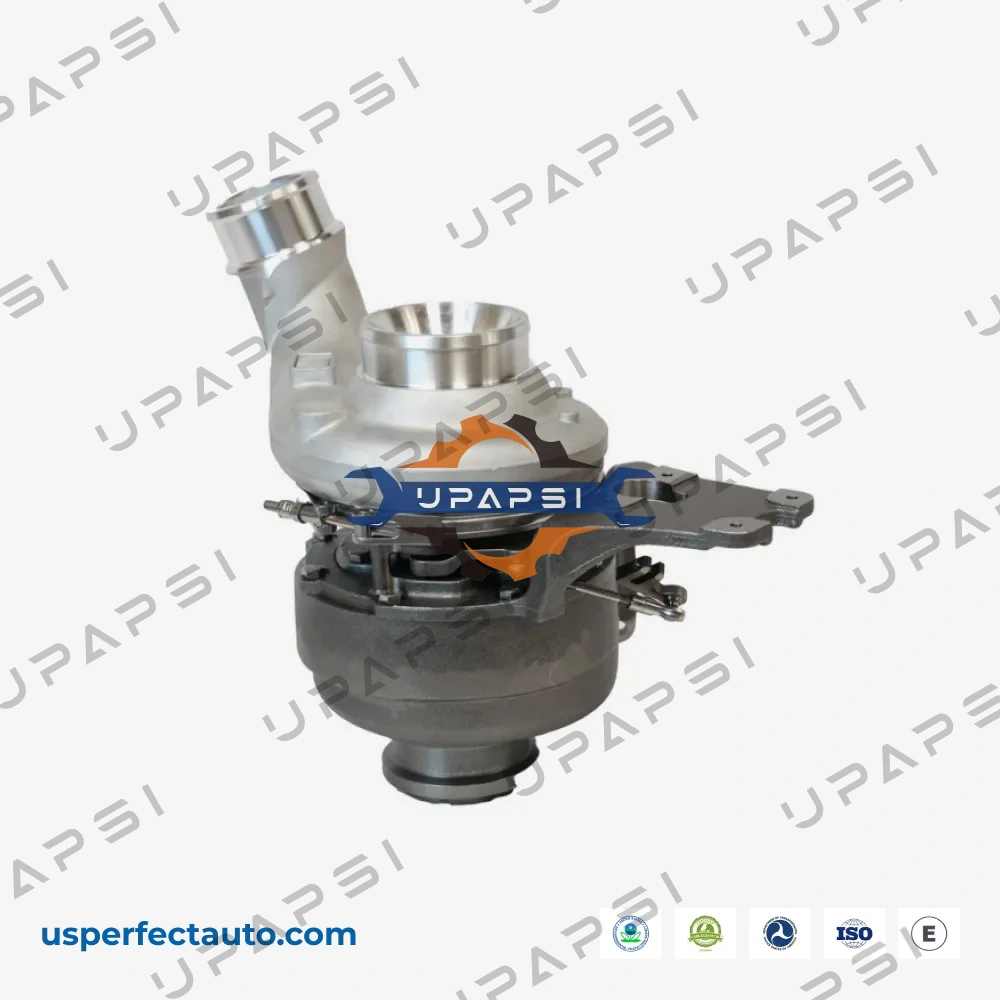
179033, 173942, 173943, 479033, 1870935C92, 1870935C93, 1870935C94, 1842583C93
The S300V is the legacy turbo on the DT466 platform — and the trucks that run it are aging into the mileage range where turbo replacement is unavoidable. Sourcing options are shrinking as the platform gets older: dealers are less likely to stock parts, and reman quality on a twenty-year-old core is a gamble. A brand new S300V with the actuator included and no core hassle is the clean solution.
The S300V was the first BorgWarner turbo on the DT466, running from 2003 until the B2UV and R2S took over on later engine codes. Trucks from that era — International 4300s, 4400s, school buses, box trucks — are still running daily routes. Finding a quality new turbo for them gets harder every year. We keep it available.
We carry the 173900 (DT466/DT570 base configuration), the 179035 (DT466E 225HP), and the 179033 (DT466 I313). Three part numbers cover the full range of early MaxxForce trucks that run the S300V platform.
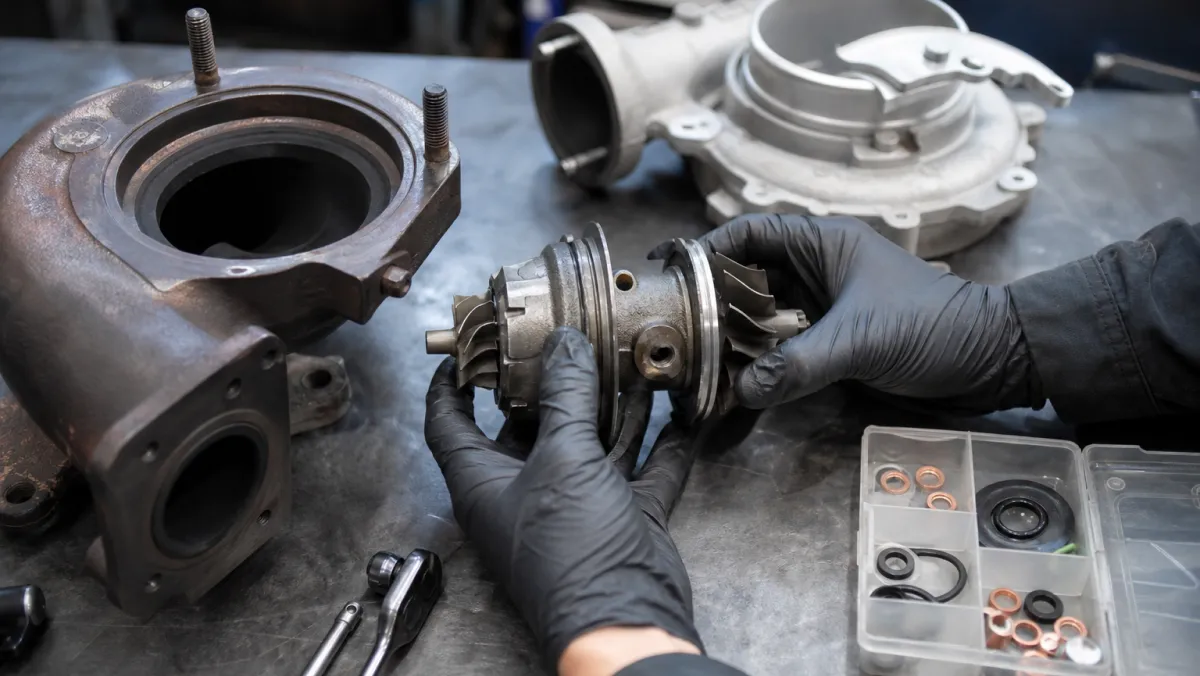
The S300V uses a simple wastegate mechanism instead of the B2UV's full variable-geometry vane system. There are no nozzle ring vanes to stick, no unison ring to jam. The failure mode is straightforward: bearing wear and seal degradation from age and mileage. The replacement job is simpler too — bolt on, connect the actuator, go.
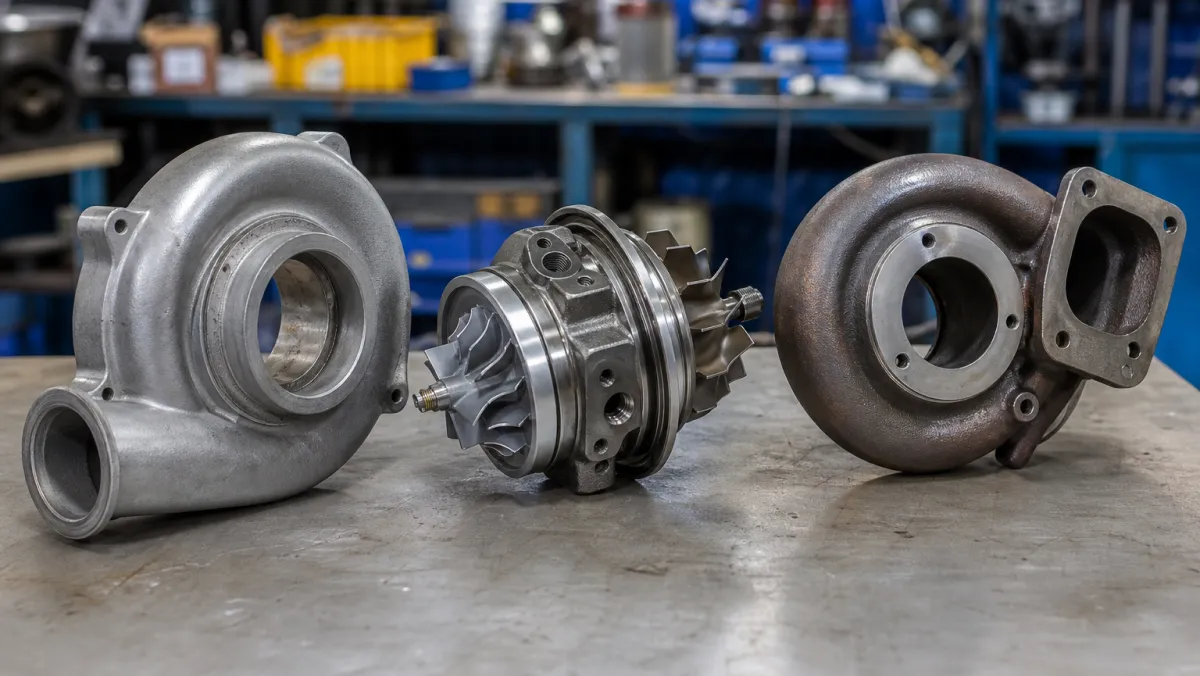
Every S300V we ship is 100% new — new CHRA, new wheels, new housings, new 12V electronic wastegate actuator. No core deposit, no old unit to freight back. Competitors require refundable core deposits on S300V turbos; we skip that entirely.
The DT466 oil feed line cokes with age, and a restricted line starves the new turbo's bearings within months. Flush or replace the feed line on every turbo swap — it is cheap insurance. One-year warranty on every S300V, handled by our US team: warranty page.
School bus fleets, delivery companies and municipal operations running legacy DT466 trucks order S300V turbos as scheduled maintenance items. Consistent wholesale pricing, US inventory, and part number verification on every order. See the wholesale page.
The S300V was the first BorgWarner turbo on the DT466, running from 2003 until the B2UV and R2S took over on later engine codes. Trucks from that era — International 4300s, 4400s, school buses, box trucks — are still running daily routes. Finding a quality new turbo for them gets harder every year. We keep it available.
We carry the 173900 (DT466/DT570 base configuration), the 179035 (DT466E 225HP), and the 179033 (DT466 I313). Three part numbers cover the full range of early MaxxForce trucks that run the S300V platform.
The S300V uses a simple wastegate mechanism instead of the B2UV's full variable-geometry vane system. There are no nozzle ring vanes to stick, no unison ring to jam. The failure mode is straightforward: bearing wear and seal degradation from age and mileage. The replacement job is simpler too — bolt on, connect the actuator, go.
Every S300V we ship is 100% new — new CHRA, new wheels, new housings, new 12V electronic wastegate actuator. No core deposit, no old unit to freight back. Competitors require refundable core deposits on S300V turbos; we skip that entirely.
The DT466 oil feed line cokes with age, and a restricted line starves the new turbo's bearings within months. Flush or replace the feed line on every turbo swap — it is cheap insurance. One-year warranty on every S300V, handled by our US team: warranty page.
School bus fleets, delivery companies and municipal operations running legacy DT466 trucks order S300V turbos as scheduled maintenance items. Consistent wholesale pricing, US inventory, and part number verification on every order. See the wholesale page.

WHY CHOOSE US
We match by BorgWarner part number, hold all three S300V variants on a US shelf, and ship complete with actuator. These trucks need to keep running — waiting on a core return or a back-ordered reman is not an option. More about our company and quality process.
The S300V is a wastegated turbo — it controls boost by opening a bypass valve to bleed off excess exhaust pressure. The B2UV is a variable geometry turbo that controls boost by adjusting internal vanes. The S300V is simpler, has fewer failure modes (no vanes to stick), and is easier to service. International used the S300V on earlier DT466 engine codes (2003-2008 primarily) and the B2UV on later codes. They are not interchangeable — the engine ECM calibration is matched to the specific turbo type.
By BorgWarner part number on the old turbo's nameplate. The 173900 is the base DT466/DT570 variant. The 179035 fits the DT466E at 225HP. The 179033 covers the DT466 I313 engine code. If the nameplate is unreadable, send us the International engine serial number and we will identify the correct variant.
Yes. Every S300V we sell ships complete with the 12V electronic wastegate actuator pre-installed. The actuator is new, not pulled from a used turbo or remanufactured.
No. The S300V and B2UV are different turbo designs with different mounting, plumbing and ECM calibrations. The engine control module expects the turbo type that the truck was built with — swapping types will cause fault codes and incorrect boost behavior. Replace like for like.
All units are 100% brand new. No rebuilt cores, no core charge. New CHRA, new wheels, new actuator. Balanced and OEM-spec. One-year warranty.
Yes. Medium-duty fleet operations — school buses, municipal trucks, delivery fleets — order S300V turbos as routine maintenance parts. Consistent wholesale pricing from US stock. See the wholesale page.
The S300V is the turbo that started the modern era of the DT466 platform. Understanding where it sits in the DT466 turbo timeline and how it differs from later systems helps shops order correctly and diagnose accurately.
| BorgWarner # | Sub-model | Engine | Years (typical) |
|---|---|---|---|
| 173900 | S300V110 | DT466 / DT570 | 2003-2008 |
| 179035 | S300V129 | DT466E 225HP | 2003-2013 |
| 179033 | S300V | DT466 I313 | 2003-2008 |
The DT466 ran four turbo systems across its production life. The S300V came first, offering single-turbo performance with electronic wastegate control. The B2UV followed as a variable-geometry upgrade on later engine codes. The R2S twin-turbo compound system appeared on EPA10 trucks. Understanding which system your truck runs is the first step in any DT466 turbo order — they are not interchangeable. See our MaxxForce turbocharger page for the complete timeline.
The S300V controls boost with a wastegate — a simple bypass valve that opens to dump excess exhaust pressure when boost reaches target. The B2UV controls boost with movable vanes inside the turbine housing that direct exhaust flow onto the turbine wheel at variable angles. The ECM calibration for each system is fundamentally different: the wastegate map (S300V) commands a valve position, while the VGT map (B2UV) commands a vane angle. Installing the wrong turbo type creates a mismatch between what the ECM expects and what the turbo delivers — fault codes, poor performance and potential engine damage follow.
The S300V fails differently from VGT turbos like the B2UV. There are no vanes to stick and no nozzle ring to jam with soot. The primary failure modes are:
The oil feed line coking issue that plagues the B2UV and the R2S is just as common on the S300V. Carbon from degraded oil gradually restricts the feed line, starving the turbo bearings. Flush or replace the oil feed line during every turbo replacement on the DT466 — regardless of which turbo system the truck runs. This single step is the most effective thing a shop can do to prevent a repeat failure.