Electric Turbocharger: Technology, Working Principle & Future Trends
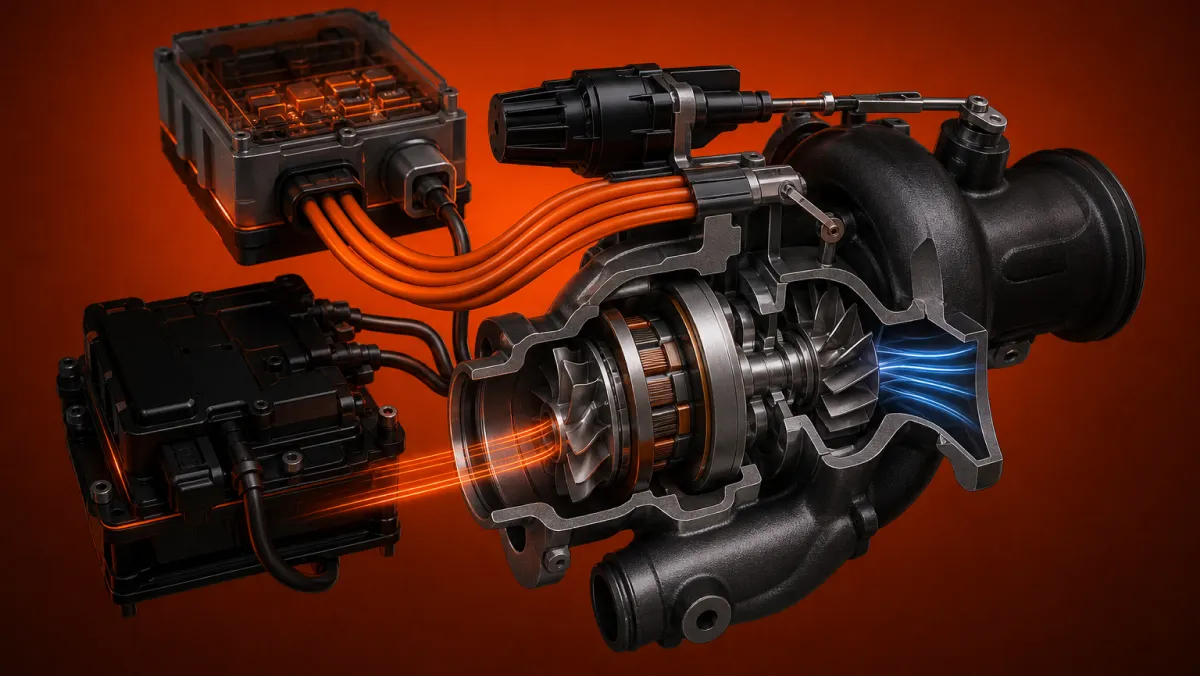
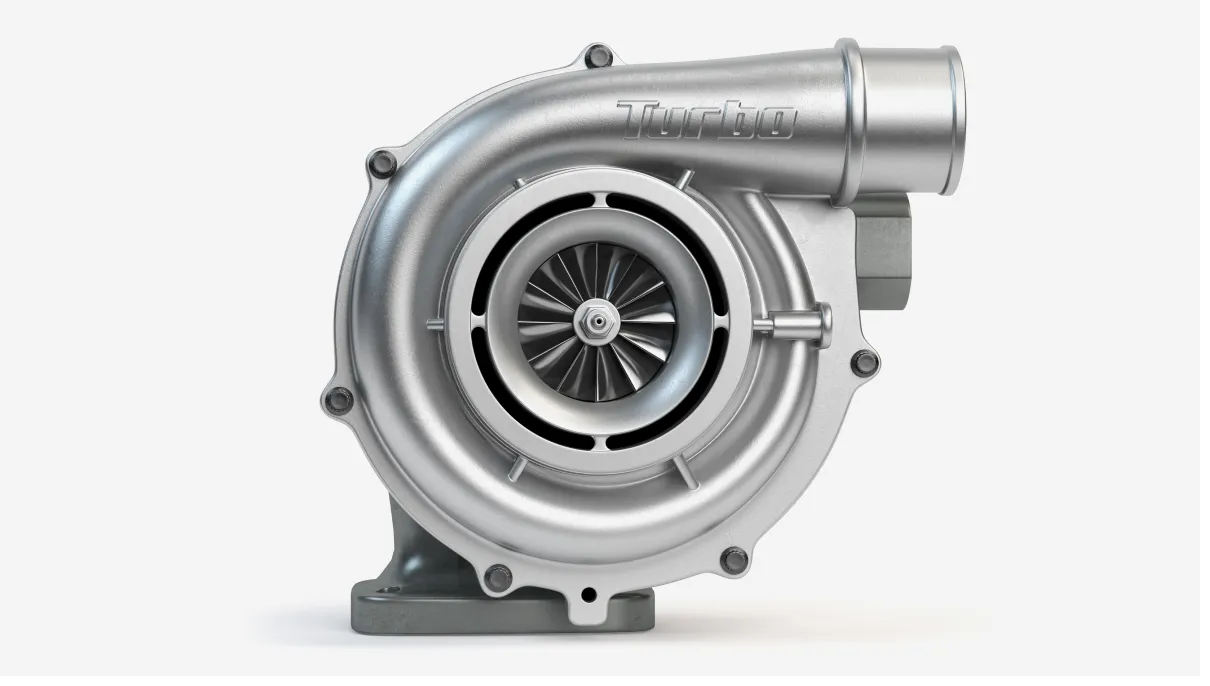
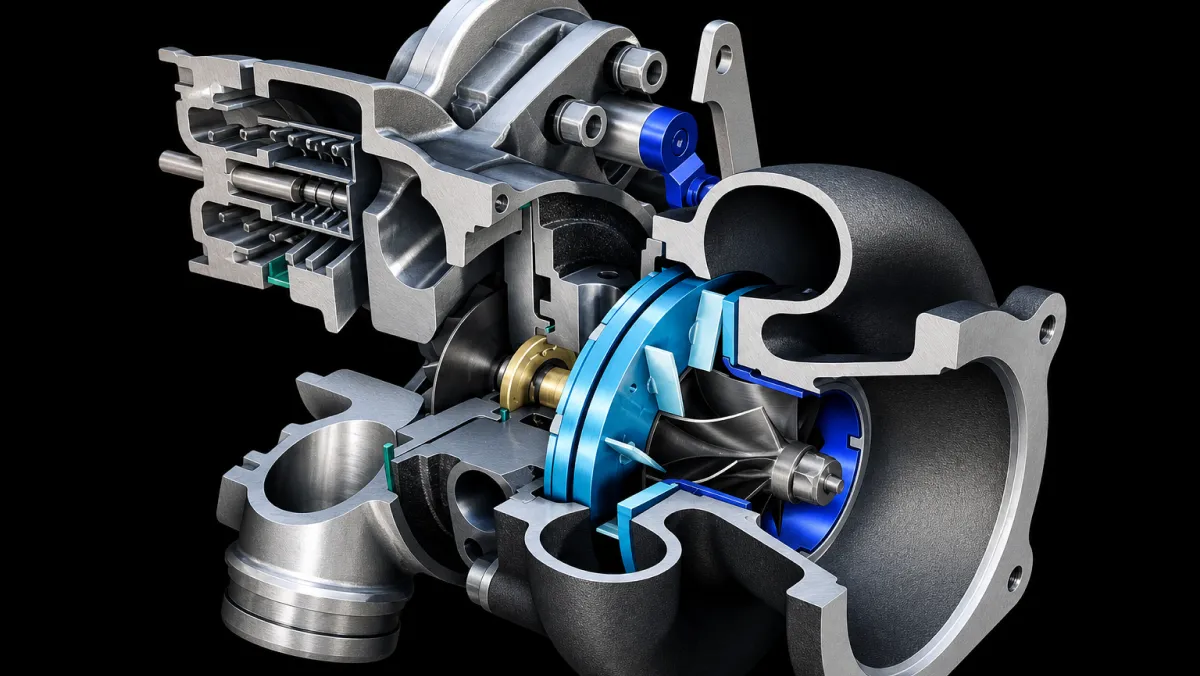
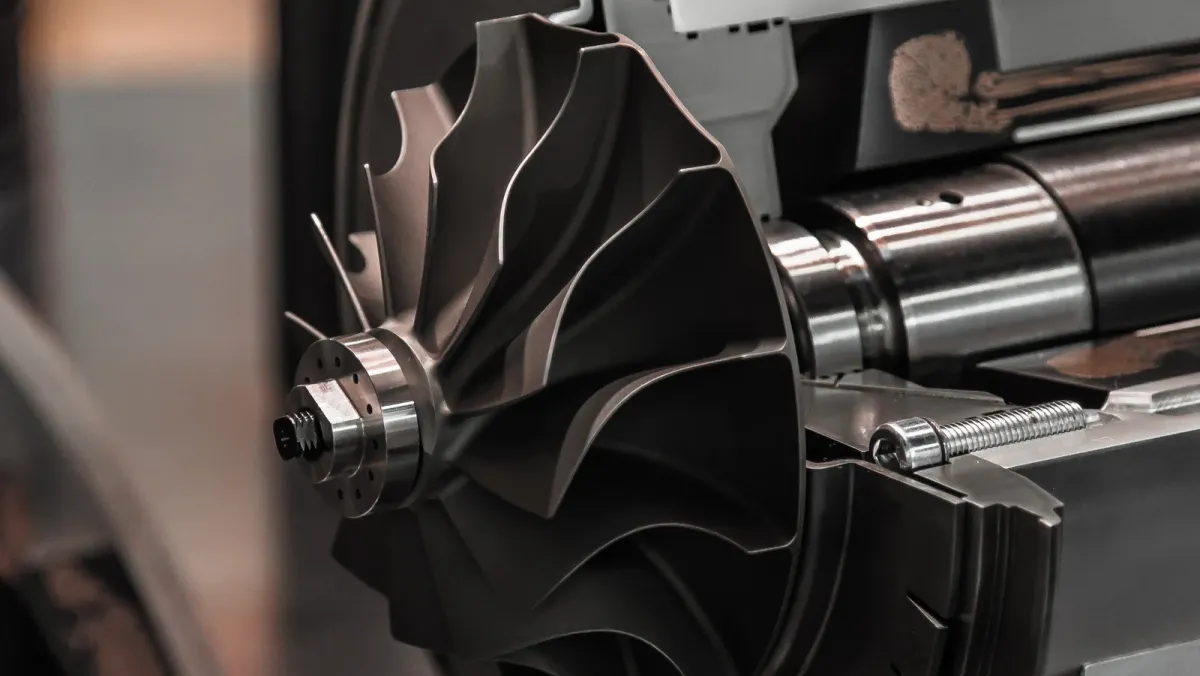
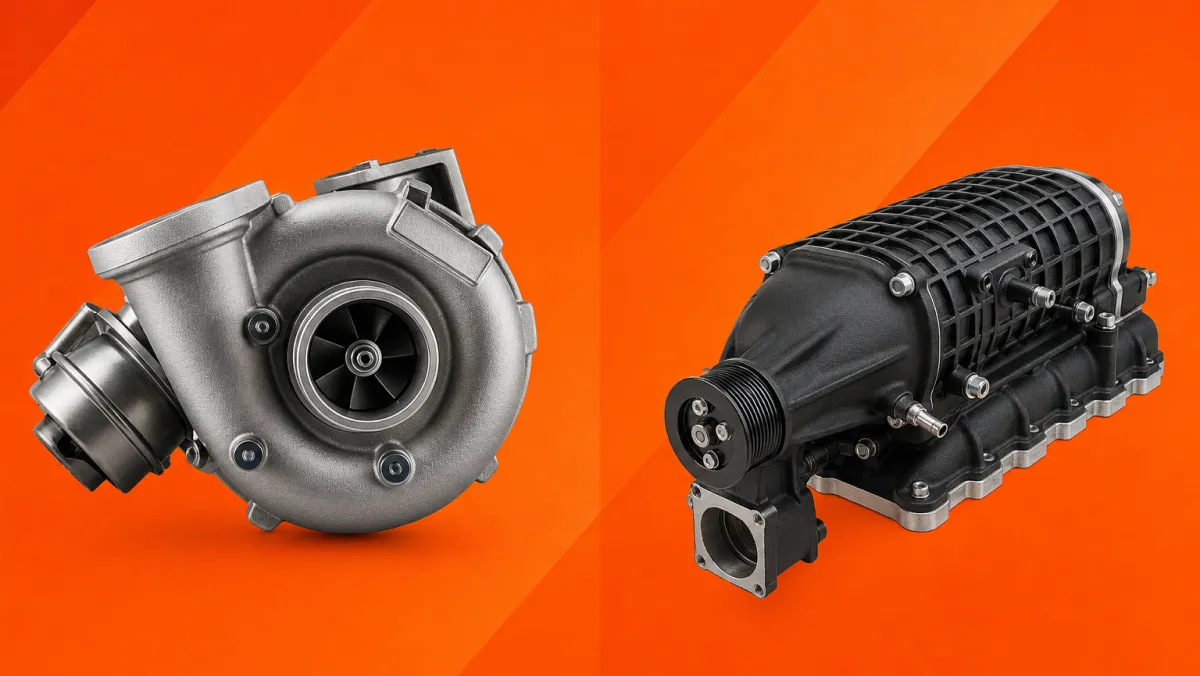
An electric turbocharger (e-turbo) is a conventional exhaust-driven turbocharger with a compact electric motor-generator built into the center housing, mounted directly on the turbo shaft. The motor spins the compressor within milliseconds when exhaust energy is low, and once exhaust flow takes over, the same motor can switch to generator mode and feed power back into the vehicle's 48V or high-voltage electrical system. In short, boost no longer depends on exhaust flow alone.
At US Perfect Auto Parts & Supplies Inc. (UPAPSI), we supply diesel turbochargers and turbo parts to wholesalers, fleets, and repair shops every day, and buyers keep asking the same question: will electric turbos change the parts we stock? This guide explains the technology in plain terms, where it is already in production, and what it realistically means for the heavy-duty diesel market over the next decade. If you first want a refresher on conventional forced induction, see our guide on how turbochargers work.
What Is an Electric Turbocharger?
An electric turbocharger integrates a motor-generator between the turbine wheel and the compressor wheel. The motor accelerates the shaft when exhaust energy is insufficient, typically at low engine rpm or during sudden load changes, and it harvests surplus exhaust energy the rest of the time. The unit requires a 48V or higher-voltage electrical architecture, dedicated power electronics, and software-controlled boost management.
One point worth clarifying: the exhaust turbine still does most of the work. The electric motor is an assist and recovery device, not a replacement for exhaust energy. A production e-turbo behaves like a normal turbo at cruise and only draws electrical power during transients.
E-Turbo vs E-Compressor: Two Different Architectures
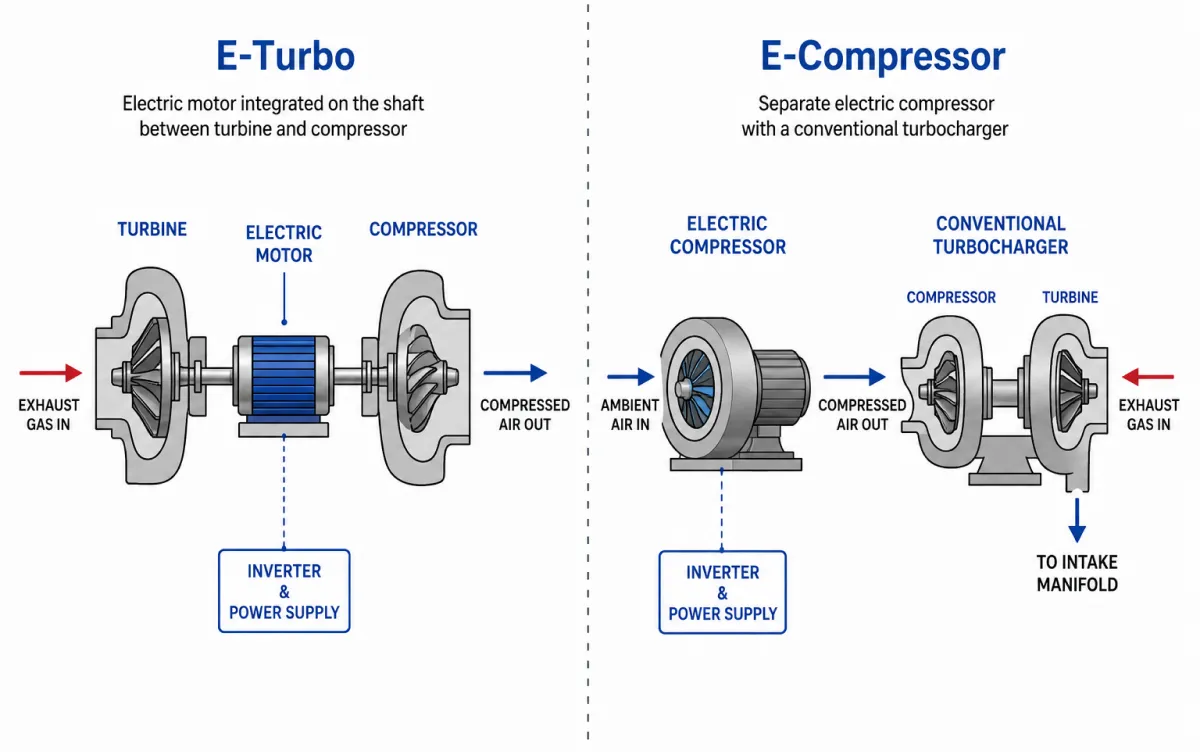
The industry uses "electric turbo" loosely for two distinct devices:
- E-turbo (electrically assisted turbocharger): a single unit with the motor on the turbo shaft. It can both assist and regenerate. Garrett Motion's 48V E-Turbo, launched in the Mercedes-AMG C63 S E Performance, is the best-known production example and can reach shaft speeds of up to 170,000 rpm.
- E-compressor (e-booster): a separate motor-driven compressor with no turbine, installed in series with a normal exhaust-driven turbo. It covers the first moments of a transient, spooling in roughly 300 milliseconds, then shuts off. The 48V electric powered compressor Audi introduced on the SQ7 in 2016 works this way.
The key functional difference is energy flow: an e-compressor only consumes electrical power, while a true e-turbo can also generate it by braking the shaft when exhaust energy exceeds boost demand.
How an E-Turbo Works: The Operating Cycle
A production e-turbo runs through four operating modes:
- Launch and low rpm: the motor spins the shaft to working speed almost instantly, building boost before meaningful exhaust flow exists.
- Steady state: exhaust gas drives the turbine as in any conventional turbo. The motor stays passive and draws no power.
- Excess exhaust energy: the motor switches to generator mode, brakes the shaft, and converts surplus exhaust energy into electricity. This is effectively electrical turbo-compounding.
- Lift-off and braking: shaft inertia and residual exhaust flow are recovered to the battery, and the control system can hold the turbo at speed so full boost is available the moment the driver gets back on the throttle.
Why 48V Systems Are the Enabler
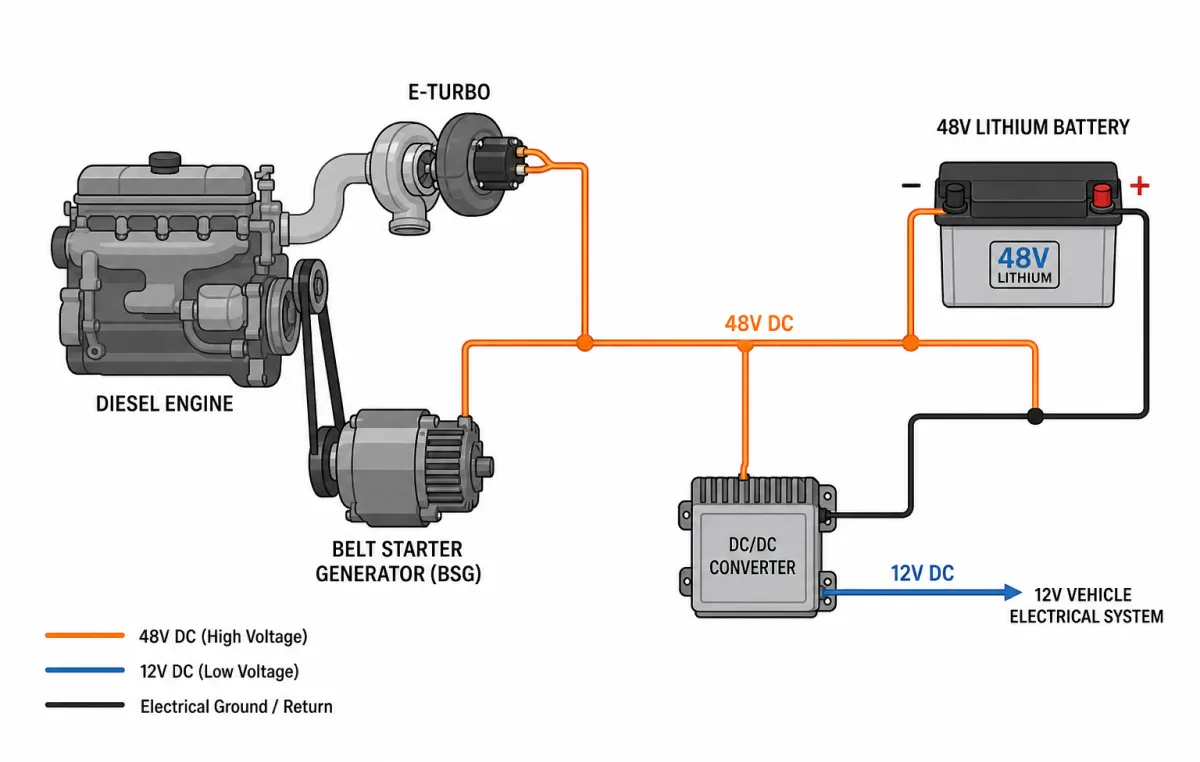
An e-turbo needs short bursts of several kilowatts, far beyond what a 12V electrical system can deliver without impractical current levels. That is why e-turbos arrived together with 48V mild-hybrid architectures: a belt starter-generator, a small lithium battery, and a DC/DC converter give the turbo motor a stable power source and somewhere to send recovered energy.
Commercial vehicles are a different case. Class 8 trucks run 12V/24V base systems today, so e-turbo adoption in heavy trucks is tied to hybridization of the driveline itself. Suppliers have prepared for this: Garrett offers its E-Turbo in both 48V and 400V versions, the latter aimed at hybrid and fuel cell platforms with high-voltage buses already on board.
Electric Turbo vs Conventional Turbo vs VGT
Most heavy-duty diesels on the road today use variable geometry turbochargers. If the VGT concept is new to you, our VGT complete guide covers it in detail. Here is how the three technologies compare:
| Feature | Fixed Geometry Turbo | VGT | E-Turbo |
|---|---|---|---|
| Boost control | Wastegate only | Adjustable vanes | Electric motor + turbine |
| Low-rpm response | Slowest | Good | Near-instant |
| Turbo lag | Noticeable | Reduced | Effectively eliminated |
| Energy recovery | None | None | Yes, generator mode |
| Electrical requirement | None | Actuator only | 48V or high-voltage system |
| Heavy-duty adoption (2026) | Legacy engines | Industry standard | Development stage |
| System cost | Lowest | Moderate | Highest |
Eliminating Turbo Lag Matters Beyond Performance Cars
Turbo lag is the delay between throttle input and boost delivery while the turbine spools. In a diesel truck, that delay has real cost consequences. Slow air delivery during transients forces conservative fueling to control smoke, hurts driveability under load, and complicates EGR and air-fuel ratio management. Electric assist fills the air gap immediately, which lets engineers run cleaner transient calibrations and, importantly, fit larger and more efficient compressor and turbine wheels without the response penalty a big turbo normally brings. That combination supports engine downspeeding, one of the main fuel-saving strategies in modern Class 8 powertrains.
OEM Applications: Where E-Turbos Are Already in Production
Electric turbocharging is not a concept. It has been in service for over a decade at the highest level of motorsport and reached series production in passenger cars:
- Formula 1 (2014– ): the MGU-H motor-generator on F1 power units pioneered shaft-mounted electric turbo assist and exhaust energy recovery. Production e-turbos are a direct transfer of this technology.
- Audi SQ7 (2016): first series 48V electric powered compressor, paired with sequential exhaust turbos on a 4.0L diesel V8.
- Mercedes-AMG (2022– ): the C63 S E Performance introduced Garrett's 48V E-Turbo on the M139l 2.0L engine, the most powerful series-production four-cylinder built to date. Garrett's E-Turbo later earned an Automotive News PACE Award.
- Commercial diesel development: Cummins Turbo Technologies, the maker of Holset turbochargers, has confirmed active development of assisted turbocharging for medium- and heavy-duty engines, alongside new bearing systems and improved compressor stages.
What E-Turbos Mean for Heavy-Duty Diesel Trucks
For fleet operators and parts buyers, the practical questions are fuel, emissions, and timing.
Fuel economy. Generator mode recovers exhaust energy that a conventional turbo throws away. In heavy-duty duty cycles, electrical turbo-compounding can return a measurable brake-specific fuel consumption benefit, and every percent of fuel matters when a truck burns 15,000–20,000 gallons a year.
Emissions compliance. Tighter NOx limits under EPA 2027 push engine makers toward faster, more precise air management. An e-turbo controls boost independent of exhaust energy, which helps keep aftertreatment in its efficient temperature window at low load, exactly where modern regulations focus.
Timing. Here is the reality check. The current North American Class 8 fleet runs almost entirely on VGT and wastegated turbos. Holset units such as the HE300VG, HE400VG, and HE451VE dominate Cummins turbocharger applications, and even the newest 2027-generation Detroit engines use an optimized asymmetric ball-bearing turbo with a wastegate rather than an e-turbo, as the Detroit turbocharger lineup shows. Diesel trucks stay in service 15 to 20 years or more, so replacement demand for conventional and VGT turbochargers will remain the core of the aftermarket well into the 2030s. E-turbos will arrive in heavy trucks through hybrid platforms first, not as retrofits.
Future Trends to Watch
- Wider 48V adoption in light and medium trucks, which lowers the cost barrier for electric boosting across more segments.
- 400V e-turbos on hybrid commercial platforms, where a high-voltage bus already exists and recovered exhaust energy directly extends electric range.
- Electric compressors as fuel cell air supply. Turbo manufacturers are adapting high-speed e-compressor technology to feed air to hydrogen fuel cell stacks in trucks, a growth market that reuses the same core engineering.
- Hydrogen internal combustion engines, which need very high boost pressures and fast air control, both strengths of electric turbocharging.
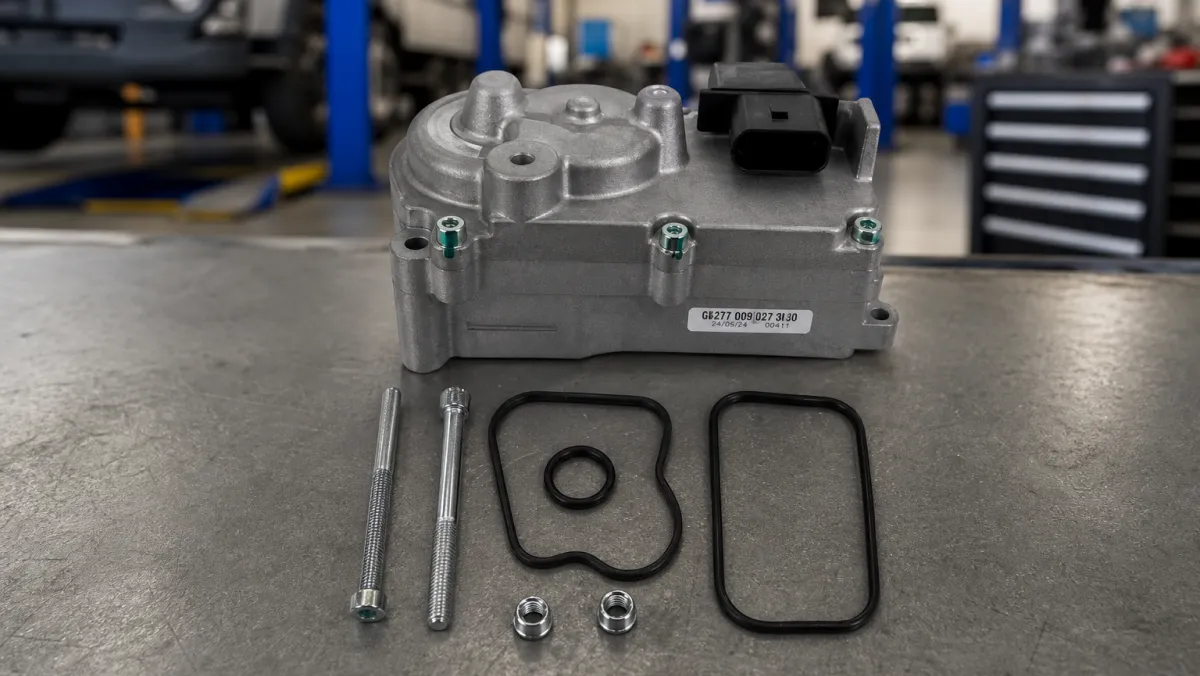
- More electronics in the service parts mix. As boost systems gain motors and power electronics, actuators, sensors, and control modules take a larger share of aftermarket turbo spending, a shift VGT actuators already started.
Sourcing Turbochargers While the Technology Transitions
Electric turbochargers are the clear direction of travel, but the trucks earning money today run proven exhaust-driven and VGT hardware, and they will for years. UPAPSI stocks OE-specification replacement turbochargers, VGT actuators, and repair components for Cummins, Detroit, Caterpillar, PACCAR, Volvo, Mack, and other major diesel platforms, with US-based inventory and wholesale pricing for distributors, fleets, and repair shops. Explore our turbocharger wholesale program or contact our team with your OE number, and we will match the correct unit the same day.

FAQ
An electric turbocharger is an exhaust-driven turbocharger with an electric motor-generator mounted on the turbo shaft. The motor builds boost instantly at low engine speeds and recovers surplus exhaust energy as electricity at high loads. It requires a 48V or high-voltage electrical system to operate.
An e-turbo places the motor directly on the turbocharger shaft in one unit, so it can both assist the shaft and generate electricity. An e-compressor is a separate motor-driven compressor with no turbine, installed alongside a normal turbo. It only consumes power and cannot recover energy, but it is simpler and spools in about 300 milliseconds.
Yes, in practical terms. The electric motor accelerates the shaft to operating speed in milliseconds, before exhaust flow builds, so boost is available almost immediately after throttle input. Production units such as Garrett's 48V E-Turbo can also hold shaft speed during lift-off so boost returns instantly on the next acceleration.
Not yet in series production. Current Class 8 trucks rely on VGT and wastegated turbochargers, such as the Holset HE300VG and HE400VG on Cummins engines. Suppliers including Cummins Turbo Technologies and Garrett are actively developing electrically assisted turbocharging for commercial diesel, and adoption is expected to arrive first on hybrid truck platforms that already carry a suitable electrical system.
Yes. In generator mode the e-turbo brakes the shaft and converts surplus exhaust energy into electricity, a form of electrical turbo-compounding. Faster boost response also allows larger, more efficient turbo wheels and supports engine downspeeding. Combined, these effects deliver a measurable fuel consumption benefit over a comparable conventional turbo system.
Not in the near term. VGT remains the standard on heavy-duty diesels because it delivers good boost control without any high-voltage electrical requirement, and engines already in service will need VGT replacement parts for 15 to 20 years. E-turbos will be added on new hybrid platforms rather than displacing the existing VGT installed base.
No. An e-turbo needs a 48V or high-voltage power supply, dedicated power electronics, and full integration with the engine control software, none of which exist on a standard 12V/24V diesel truck. For trucks in service today, the correct path is an OE-specification replacement or upgraded conventional or VGT turbocharger matched to your engine's part number.