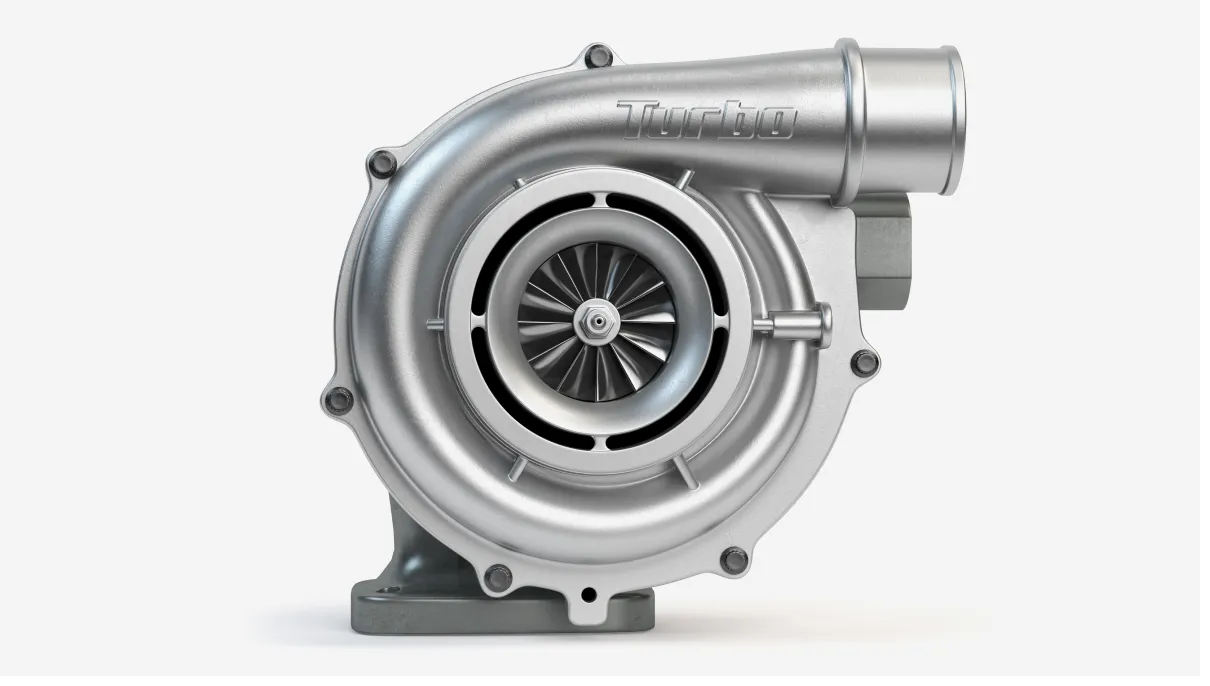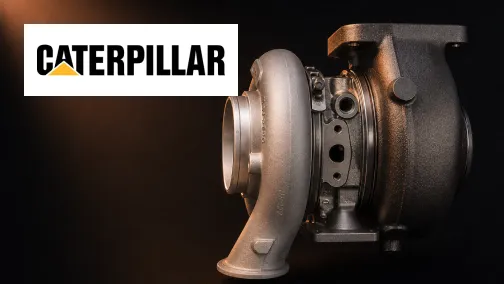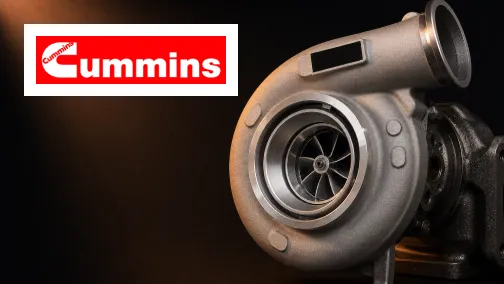
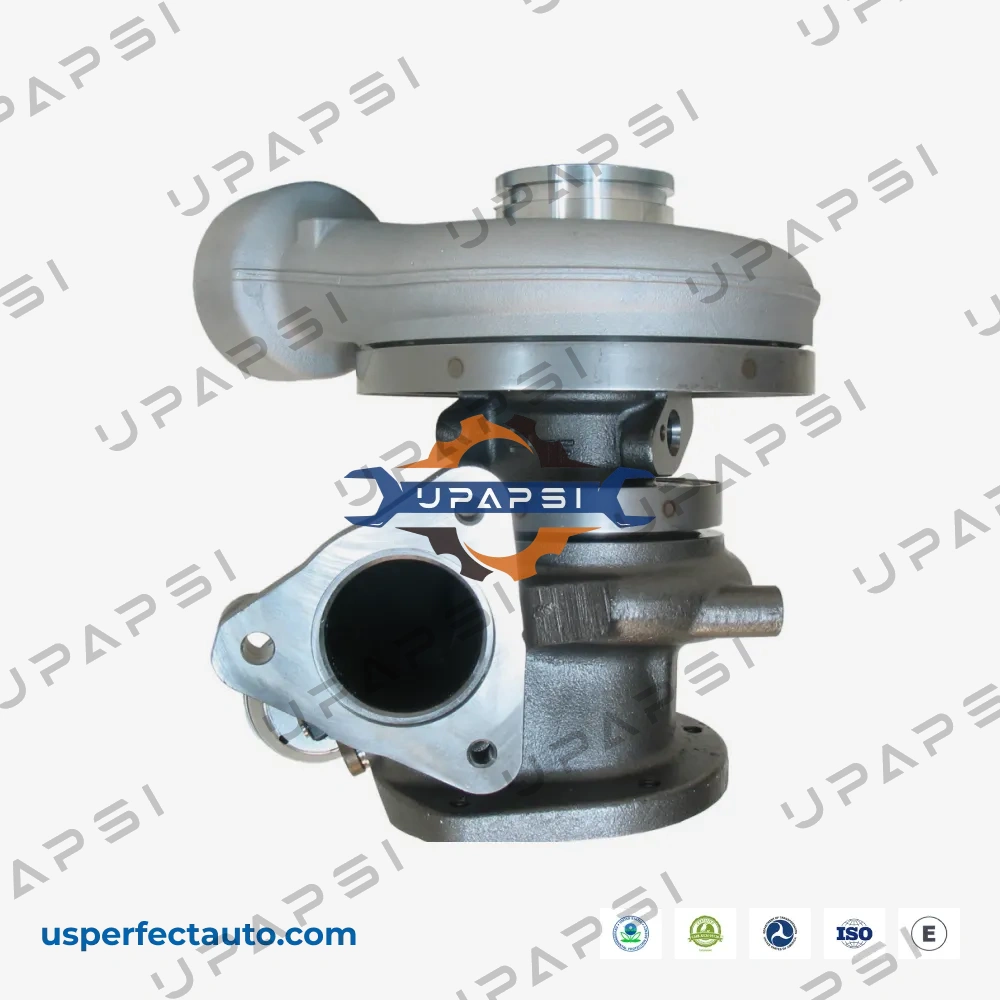
S300A113 173528 Turbocharger for Mack E7 EM7 12.0L CV713
173528, 173529, 174826, 474826, 474825, 631GC5172M5, 631GC5174MX, 631GC5172BM7X
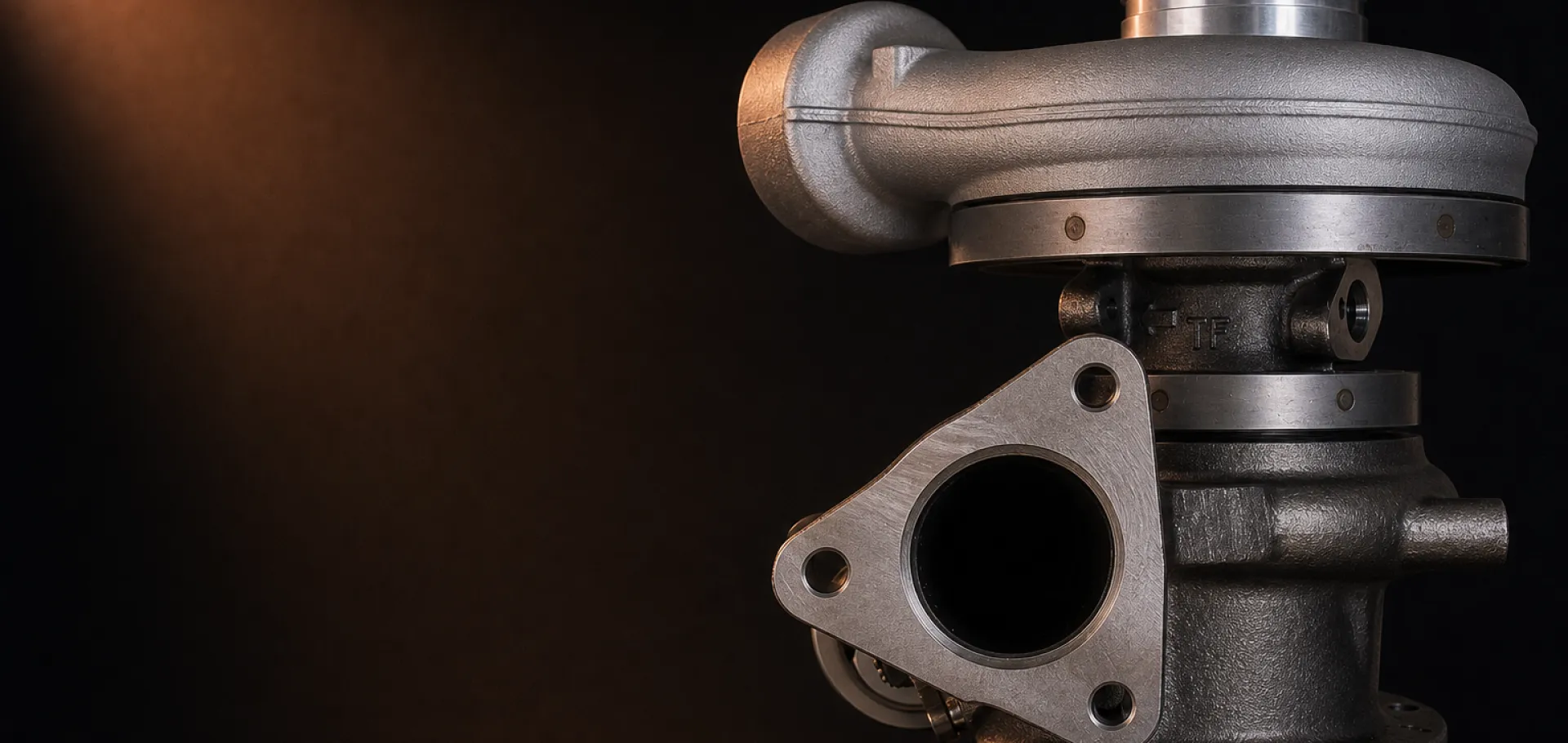
New Replacement Turbochargers for Mack E7, MP7 and MP8 Truck Engines
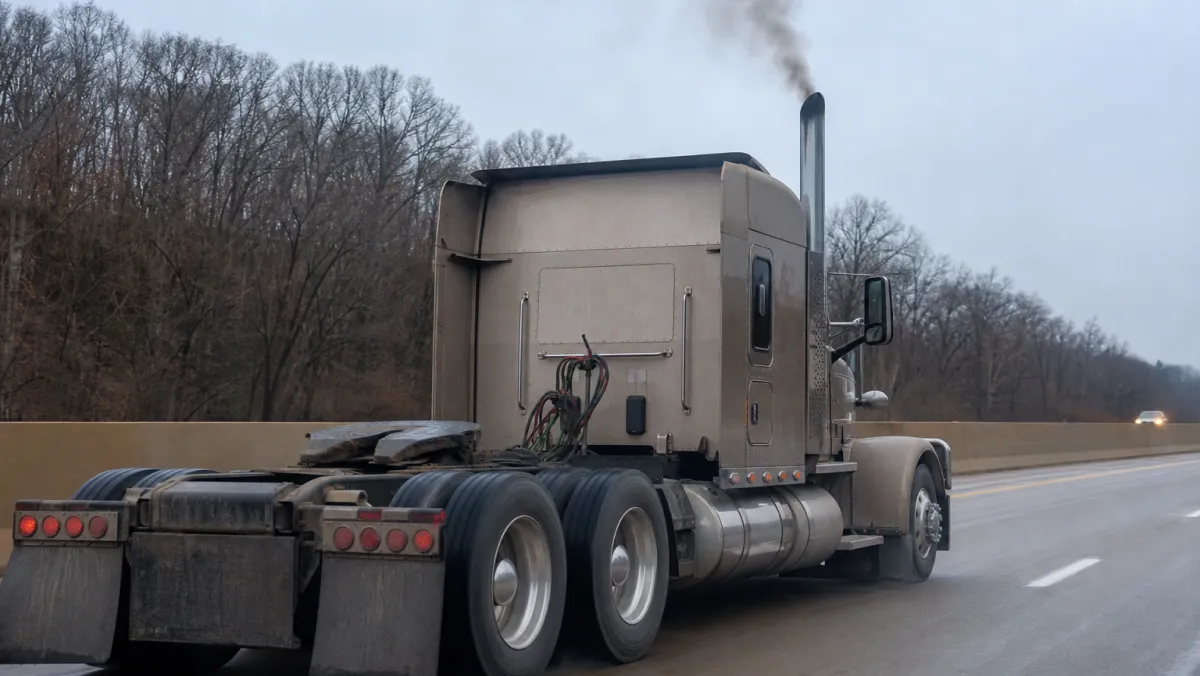
Mack trucks are built for vocational punishment — dump, refuse, mixer, concrete pump, day-cab regional — and every one of them runs a turbo matched to that duty cycle. We stock brand new replacement turbochargers for both eras of the Mack lineup: the legacy E7 and E-TECH 12.0L with BorgWarner S300-family turbos, and the current MP7 and MP8 engines that share Volvo Group architecture and run Holset VGT turbochargers. The MP8 is the same base engine as the Volvo D13 — and in most cases the turbo is identical hardware under a different Mack part number. We cross-reference both catalogs on every order so you get the right unit regardless of which badge is on the hood. Every turbo is new-built to OEM-spec dimensions, balanced, and verified against your engine serial number before it ships. Shops, fleets and distributors order from US stock.
Mack vocational trucks run harder duty cycles than most highway tractors — high idle time, heavy loads at low speed, constant stops. That cycle kills turbos faster and means your shop sees them more often. The sourcing challenge is that Mack straddles two completely different turbo families — legacy BorgWarner on the E7 and Holset VGT on the MP series — and the MP8 turbo cross-references with Volvo D13 in ways that confuse ordering if you do not know the platform. We handle both sides.
We stock the BorgWarner S300A113 for the E7 and E-TECH, and Holset VGT units for the MP7 and MP8. The E7 is still running in thousands of vocational trucks across North America, and finding a quality new turbo for it gets harder every year — we keep it on the shelf.
Vocational trucks idle more, run hotter at lower speeds, and cycle through more thermal stress than highway tractors. That duty cycle loads VGT nozzle rings with soot faster and wears E7 turbos harder. We understand the failure patterns on both platforms and help shops diagnose before ordering.
The Mack MP8 and Volvo D13 are the same engine under Volvo Group. The turbo hardware is often identical — same Holset HE400VG or HE431VE — but Mack and Volvo assign different part numbers. We cross-reference both catalogs and match by engine serial number so the truck gets the right unit regardless of badge.
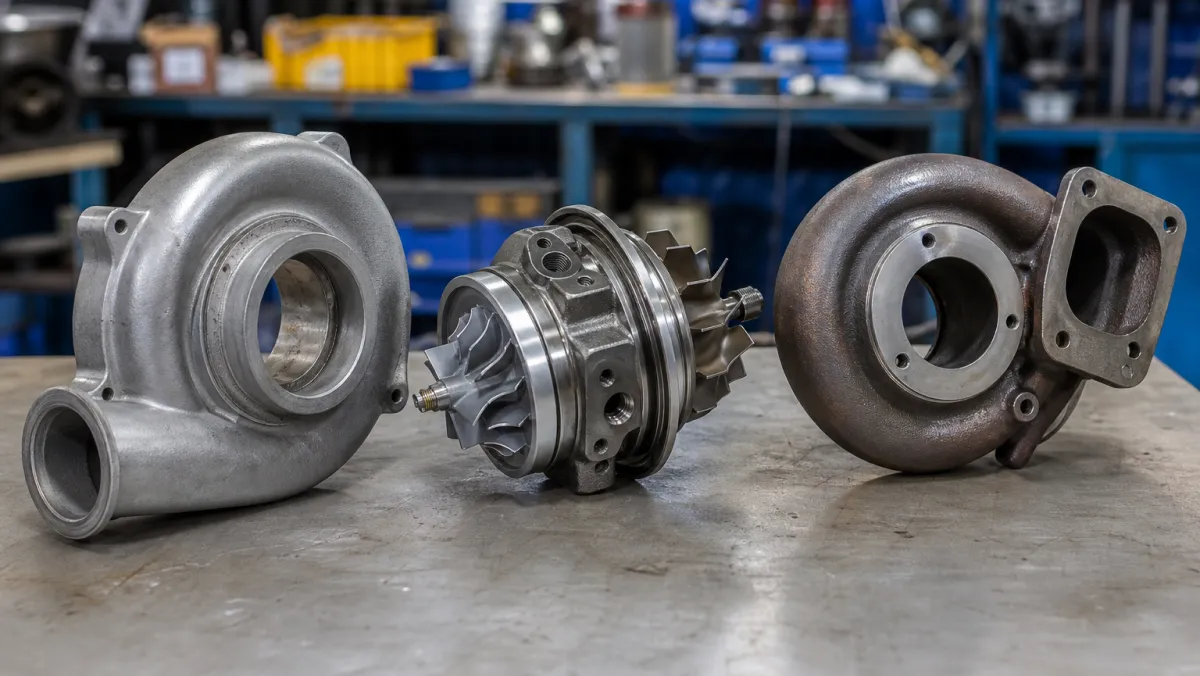
Every Mack turbo we ship is 100% new — new CHRA, new wheels, new housings. No core deposit, no old unit to crate and freight back, no waiting on credit. Competitors require refundable core deposits; we skip that entirely. One-year warranty on every turbo, handled by our US team — see the warranty page.
On the MP8, we walk through the VGT root-cause check before you order — oil condition, charge-air leaks, EGR soot load — so the new unit does not inherit what killed the old one. On the E7, we check oil supply and boost plumbing. Tell us the symptoms and the engine serial number, and we help you confirm the turbo is actually the problem before you spend the money.
Mack vocational fleets — refuse haulers, concrete companies, municipal truck pools — replace turbos on a schedule, not one at a time. Pricing is structured for that volume: consistent wholesale cost, US inventory, and the same ESN verification on every unit. See the wholesale program.
We stock the BorgWarner S300A113 for the E7 and E-TECH, and Holset VGT units for the MP7 and MP8. The E7 is still running in thousands of vocational trucks across North America, and finding a quality new turbo for it gets harder every year — we keep it on the shelf.
Vocational trucks idle more, run hotter at lower speeds, and cycle through more thermal stress than highway tractors. That duty cycle loads VGT nozzle rings with soot faster and wears E7 turbos harder. We understand the failure patterns on both platforms and help shops diagnose before ordering.
The Mack MP8 and Volvo D13 are the same engine under Volvo Group. The turbo hardware is often identical — same Holset HE400VG or HE431VE — but Mack and Volvo assign different part numbers. We cross-reference both catalogs and match by engine serial number so the truck gets the right unit regardless of badge.
Every Mack turbo we ship is 100% new — new CHRA, new wheels, new housings. No core deposit, no old unit to crate and freight back, no waiting on credit. Competitors require refundable core deposits; we skip that entirely. One-year warranty on every turbo, handled by our US team — see the warranty page.
On the MP8, we walk through the VGT root-cause check before you order — oil condition, charge-air leaks, EGR soot load — so the new unit does not inherit what killed the old one. On the E7, we check oil supply and boost plumbing. Tell us the symptoms and the engine serial number, and we help you confirm the turbo is actually the problem before you spend the money.
Mack vocational fleets — refuse haulers, concrete companies, municipal truck pools — replace turbos on a schedule, not one at a time. Pricing is structured for that volume: consistent wholesale cost, US inventory, and the same ESN verification on every unit. See the wholesale program.

WHY CHOOSE US
Every hour a Mack sits waiting for a turbo is a load that does not move and a contract that does not get filled. We hold the common Mack turbos in US stock, verify fitment by ESN before dispatch, and answer install questions after the sale. One truck or a fleet restock, the process runs the same. More about our company and quality process.
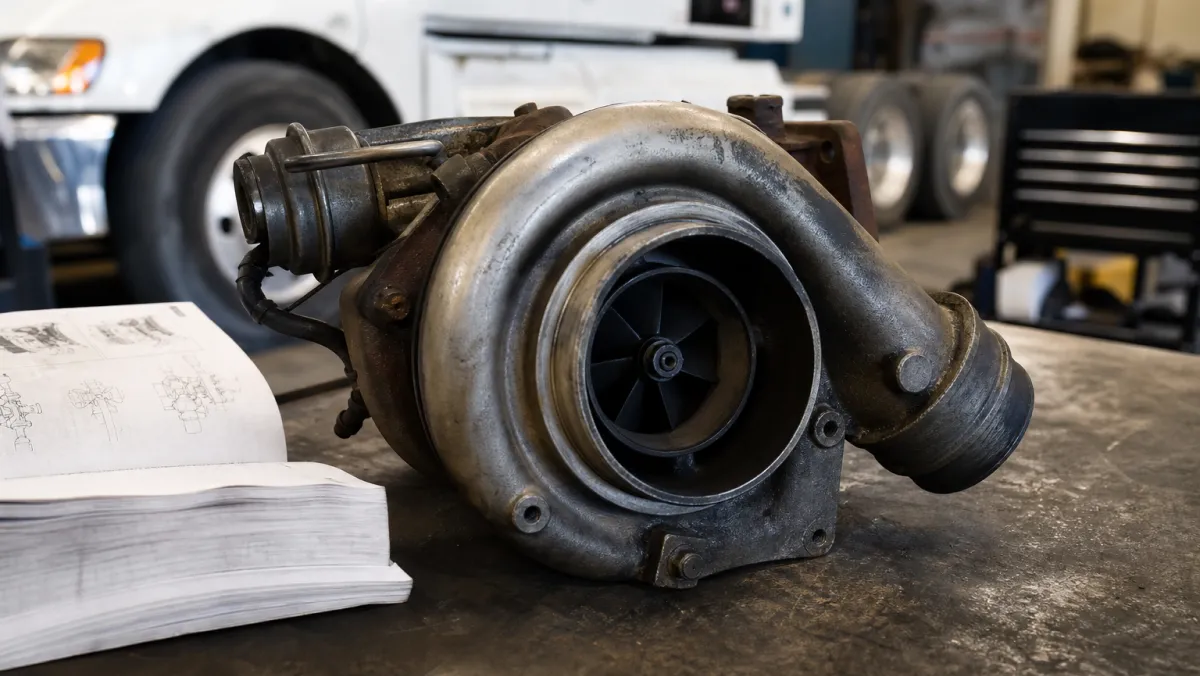
The Mack E7, E-TECH and ASET engines run BorgWarner S300-family turbochargers — primarily the S300A113 on the 12.0L E7 platform. These are fixed-geometry, wastegated turbos with a long service life that eventually fail from bearing wear, shaft play and seal degradation at high hours. We stock brand new S300A113 units that drop straight onto the E7.
In most cases, yes. The MP8 and D13 are the same 12.8L engine under Volvo Group, and they run the same Holset VGT turbo families — HE400VG, HE431VE and HE451VE depending on the emissions tier and build date. The part numbers differ between the Mack and Volvo catalogs, but the hardware is identical. We cross-reference both and match by engine serial number. See our Volvo page for the D13 turbo lineup.
Three identifiers pin it down: the engine model (E7 vs MP7 vs MP8), the engine serial number from the dataplate, and the part number stamped on your current turbo. On the MP series especially, the part number changes across emissions tiers and build dates. Send us any two of those three and we confirm the match before shipping.
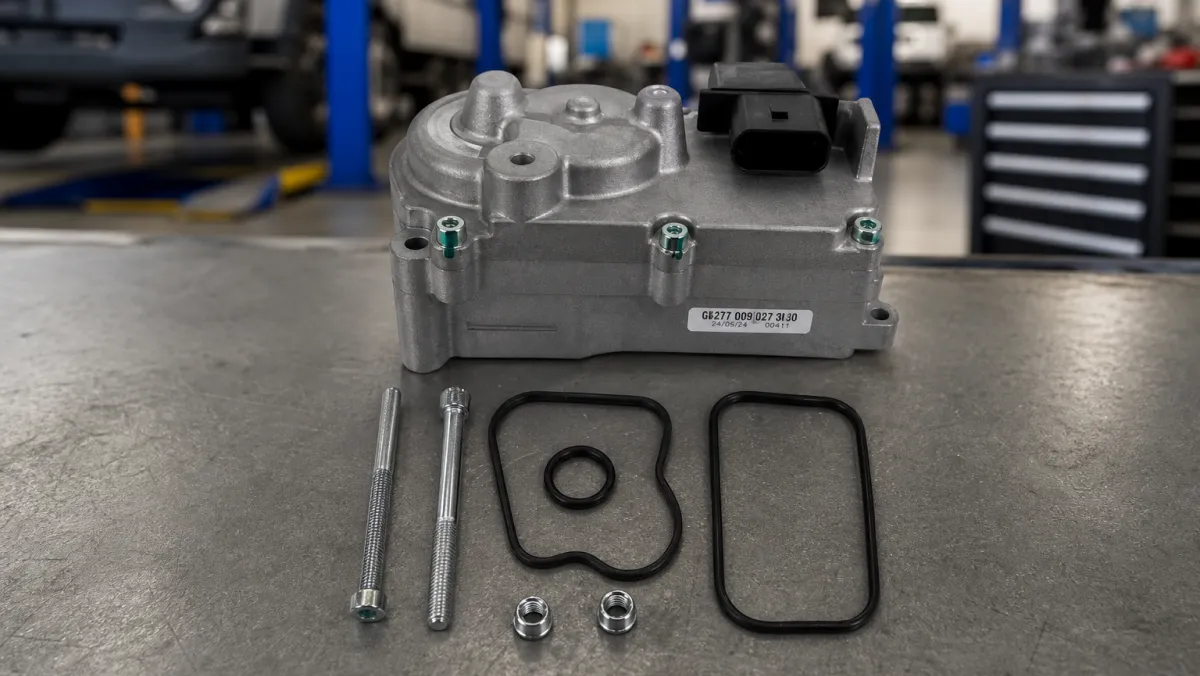
Yes. The Holset electronic VGT actuator on the MP8 must be calibrated to the turbo body after installation using Mack Premium Tech Tool (PTT) or a compatible dealer-level scan tool. The calibration maps the actuator's travel range to the physical nozzle ring position. Without it, the ECM cannot control boost accurately and fault codes will set.
All units are 100% brand new with all-new internal components — no rebuilt cores, no remanufactured units. No core charge, nothing to ship back. Balanced, OEM-spec dimensions, one-year warranty.
Yes. Vocational Mack fleets — refuse, concrete, municipal — are core customers. Consistent wholesale pricing from single units to fleet restocks, all from US inventory. See the wholesale page.
Mack has run its own engine designs for over a century, but the turbo landscape split into two distinct eras when Volvo Group took ownership. Understanding which era your truck belongs to determines which turbo family you need and how the replacement process works.
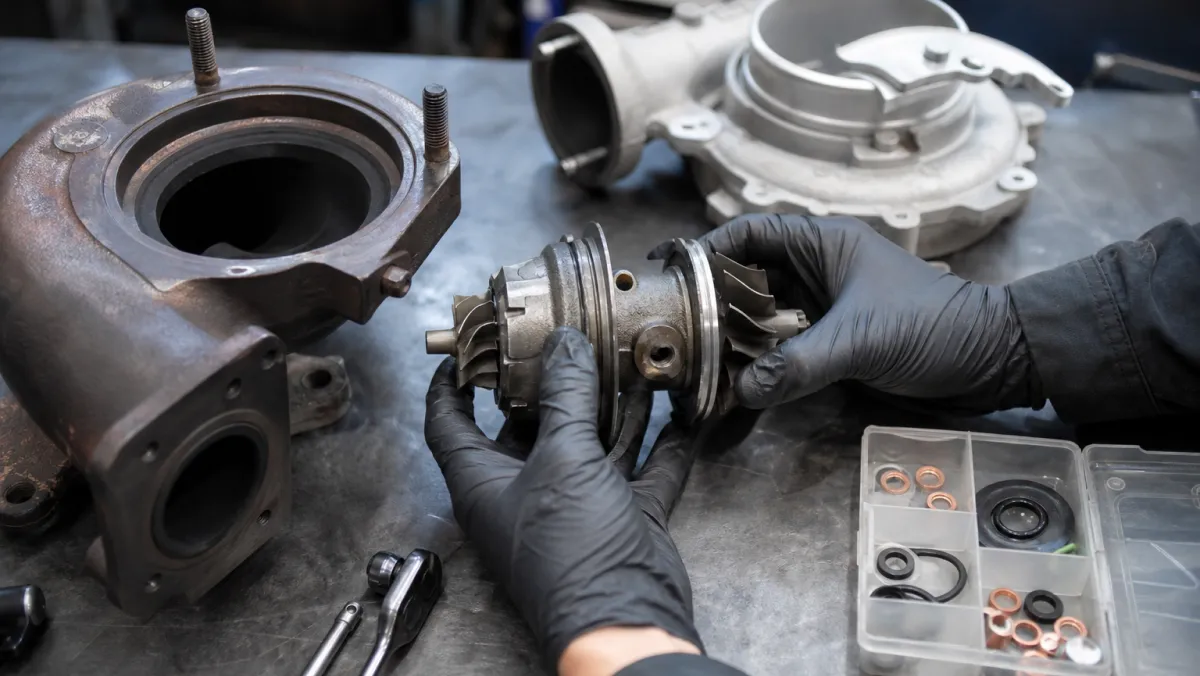
The Mack E7 powered vocational trucks from the mid-1990s through the mid-2000s, and thousands are still working today in dump, refuse and mixer fleets. The E-TECH and ASET variants added EGR and updated injection but kept the same basic 12.0L architecture. These engines run BorgWarner S300-family turbochargers — the S300A113 is the most common — with a simple wastegate actuator and no electronics. Failures at this age are mechanical: worn journal bearings, shaft play, scored thrust surfaces, and tired seals that push oil into the intake. The fix is straightforward — bolt on a new turbo, prime it, and go. No calibration, no scan tool, no actuator pairing.
When Volvo Group integrated Mack's powertrain engineering, the MP7 (10.8L, based on Volvo D11) and MP8 (12.8L, based on Volvo D13) became the standard Mack engines. Both run Holset VGT turbochargers with electronic actuators that manage boost, EGR flow and the exhaust brake. The turbo doubled as the engine brake — a feature vocational drivers depend on for loaded downhill runs — which is why a weak exhaust brake is often the first symptom of VGT trouble on these trucks.
| Emissions tier | Turbo family | Notes |
|---|---|---|
| EPA07 (CM870/871) | HE431VE / HE451VE | Early VGT generation |
| EPA10-EPA13 | HE400VG / HE451VE | Updated actuator design |
| EPA17+ | HE400VG | Current production |
Part numbers vary by ESN and build date — the emissions tier and turbo family above are starting points, not exact matches. Always confirm against the engine serial number and the number on the old turbo's dataplate.
Highway tractors cruise at steady RPM with consistent exhaust flow that keeps VGT nozzle rings clean. Vocational Mack trucks do the opposite — high idle time at job sites, heavy low-speed pulls, constant cycling between load and no-load. That duty cycle loads soot onto the nozzle ring faster, cycles the actuator harder, and gives the turbo less of the sustained high-flow operation that naturally cleans the mechanism. Refuse trucks and concrete mixers are the worst offenders. Fleets that run these trucks budget for turbo replacement on a mileage or hours schedule rather than waiting for failure.
The E7 job is mechanical — unbolt the old turbo, bolt on the new one, prime with oil, idle, done. No scan tool required. The MP8 job adds three steps: diagnose the VGT failure cause before ordering (soot, actuator, or both), calibrate the actuator with PTT after installation, and verify the full nozzle sweep before releasing the truck. On both platforms, flush or replace the oil feed line — a partially coked line is the most common cause of repeat failure on any turbo.