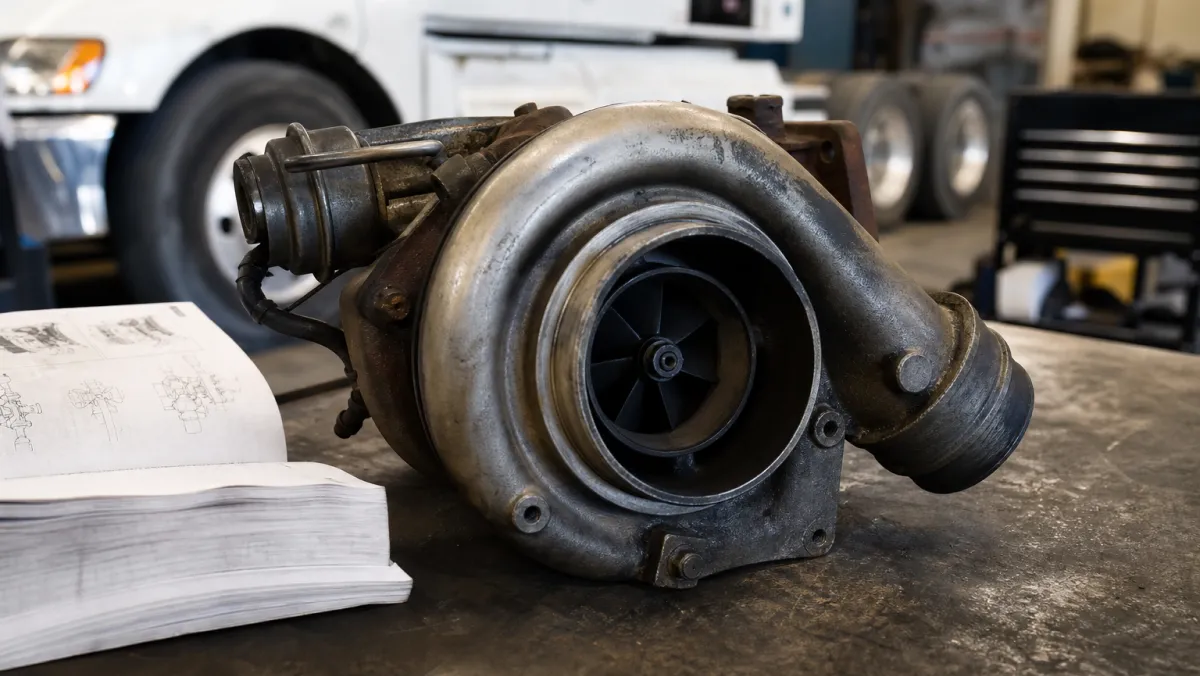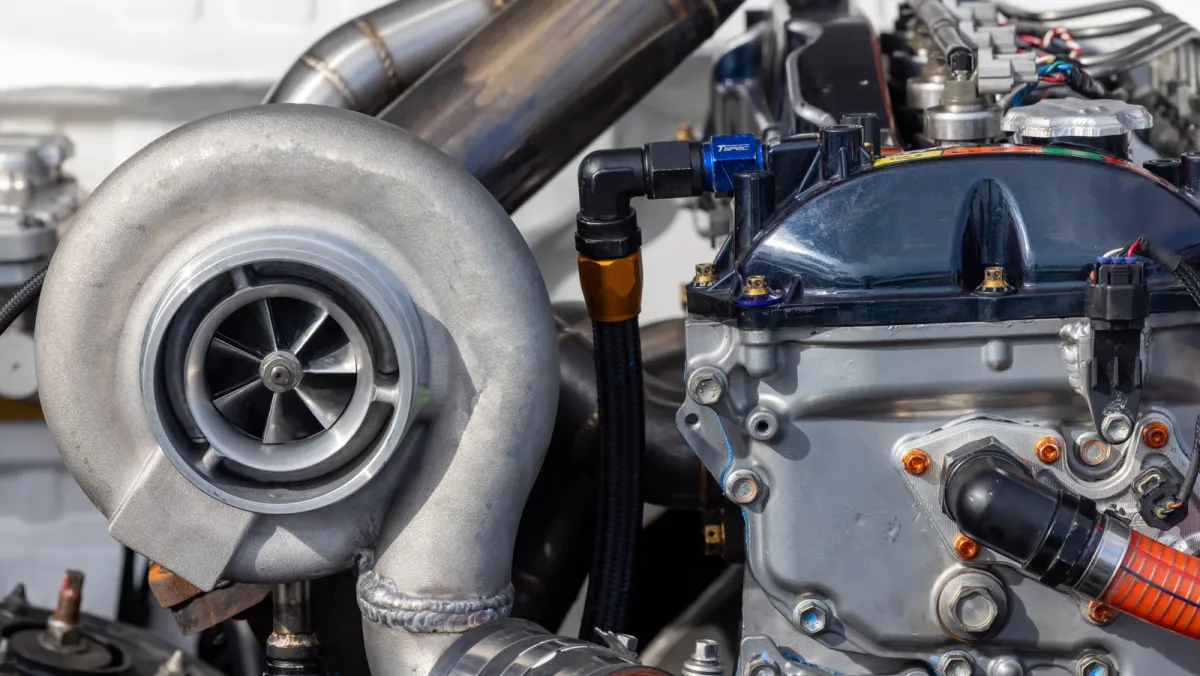
Turbocharger Replacement Cost: Complete Price Guide for Diesel Trucks
Turbocharger replacement on a diesel truck typically costs $2,300 to $2,900 for pickups and medium-duty applications, and $2,800 to $5,300 for Class 8 heavy-duty trucks, including parts and labor. The turbo itself is the largest line item: a stock replacement runs $1,000 to $1,700 for pickup diesels, while a heavy-duty VGT unit costs $2,000 to $4,500 from quality aftermarket and remanufactured sources, or $6,000 to $10,000+ as a new OEM part from a dealership.
We sell replacement turbochargers to fleets, repair shops, and distributors every day, so we see real invoices, not just published estimates. This guide breaks down where the money actually goes, the hidden costs most quotes leave out, and the practical ways to cut the bill without buying a turbo that fails in six months.
Quick Answer: What You Should Expect to Pay in 2026
| Application | Turbo (Part Only) | Labor | Typical Total |
|---|---|---|---|
| Diesel pickup (Cummins, Powerstroke, Duramax) | $1,000–$1,700 | $700–$1,000 | $2,300–$2,900 |
| Medium-duty truck (Class 4–6) | $1,200–$2,500 | $600–$1,000 | $2,000–$3,500 |
| Class 8 heavy-duty (X15, DD15, D13, MX-13) | $2,000–$4,500 (aftermarket/reman) | $500–$800 | $2,800–$5,300 |
| Class 8 with new OEM dealer part | $6,000–$10,000+ | $500–$800 | $6,500–$11,000+ |
These figures cover a straightforward replacement. Diagnostics, gaskets, oil lines, and calibration add more, which we cover below, and none of it includes downtime, which for a working truck is often the biggest number on the whole job.
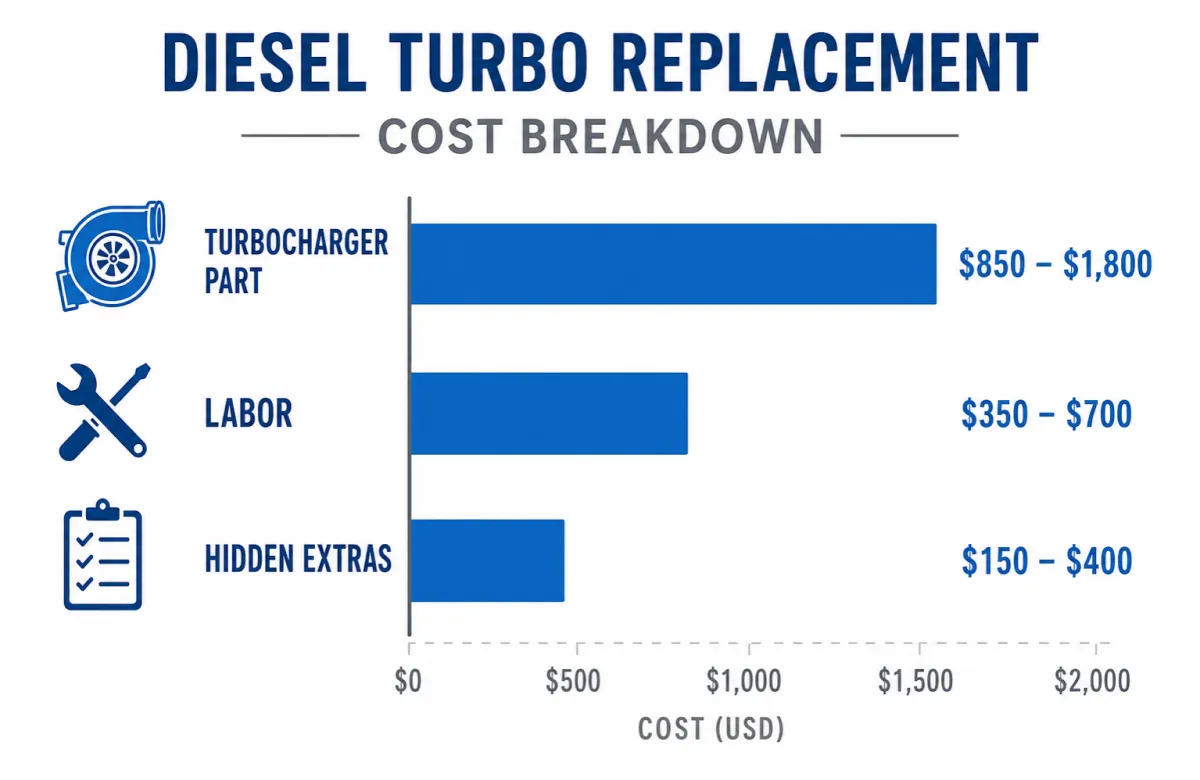
Heavy-Duty Truck Turbo Replacement: Cost Breakdown
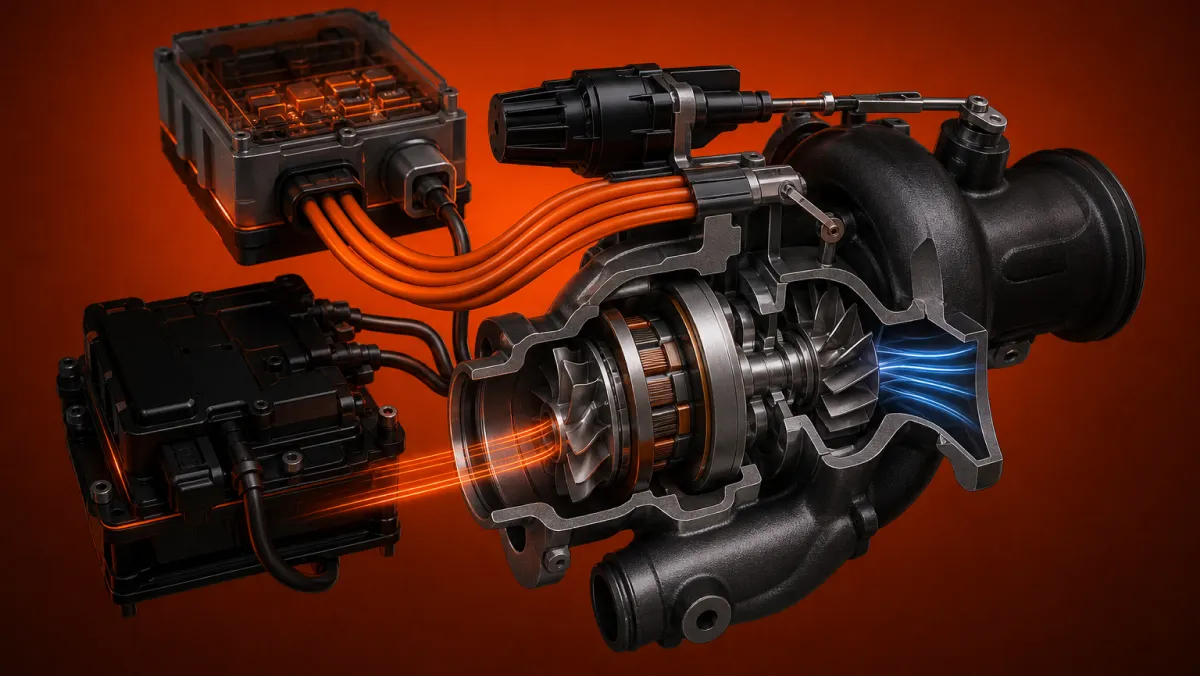
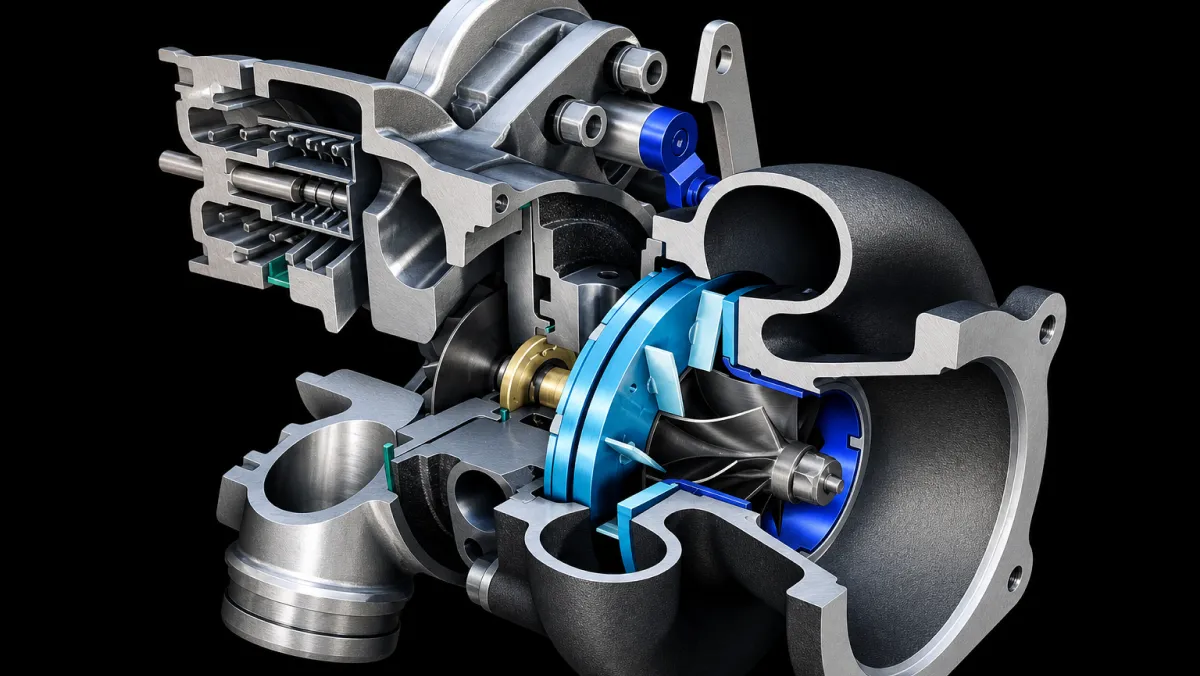
Most Class 8 trucks run variable geometry turbochargers, and VGT hardware is expensive by design: the vane mechanism, electronic actuator, and speed sensor all add cost over a simple wastegated unit. Three factors set the final price:
- Procurement channel. The same HE400VG application can cost $6,000+ as a new dealer part, $2,500–$4,500 as a certified remanufactured unit, or $1,500–$3,000 as a new OE-specification aftermarket turbo. The spread between channels is wider than the spread between engine brands.
- Labor. Heavy-duty shop rates put a typical turbo swap at $500–$800. Flat-rate times run 4 to 8 hours depending on the platform and how much charge-air and exhaust plumbing sits in the way.
- VGT calibration. Electronic actuators must be calibrated to the ECM with diagnostic software after installation. Some shops bill this separately, so ask whether it is included in the quote. Our VGT guide explains why this step is not optional.
Pickup and Medium-Duty Diesel Costs
For 6.7L Cummins, Powerstroke, and Duramax pickups, the part runs $1,000–$1,700 and labor adds $700–$1,000 at typical shop rates of $100–$180 per hour. Access is the swing factor. A 5.9L or 6.7L Cummins mounts the turbo high on the passenger side and takes 4–6 hours. A 6.4L Powerstroke with twin turbos in the engine valley can exceed 8 hours, and some jobs require lifting the cab. Owners who do the work themselves save $800–$1,500 in labor, though VGT-equipped trucks still need actuator calibration afterward.
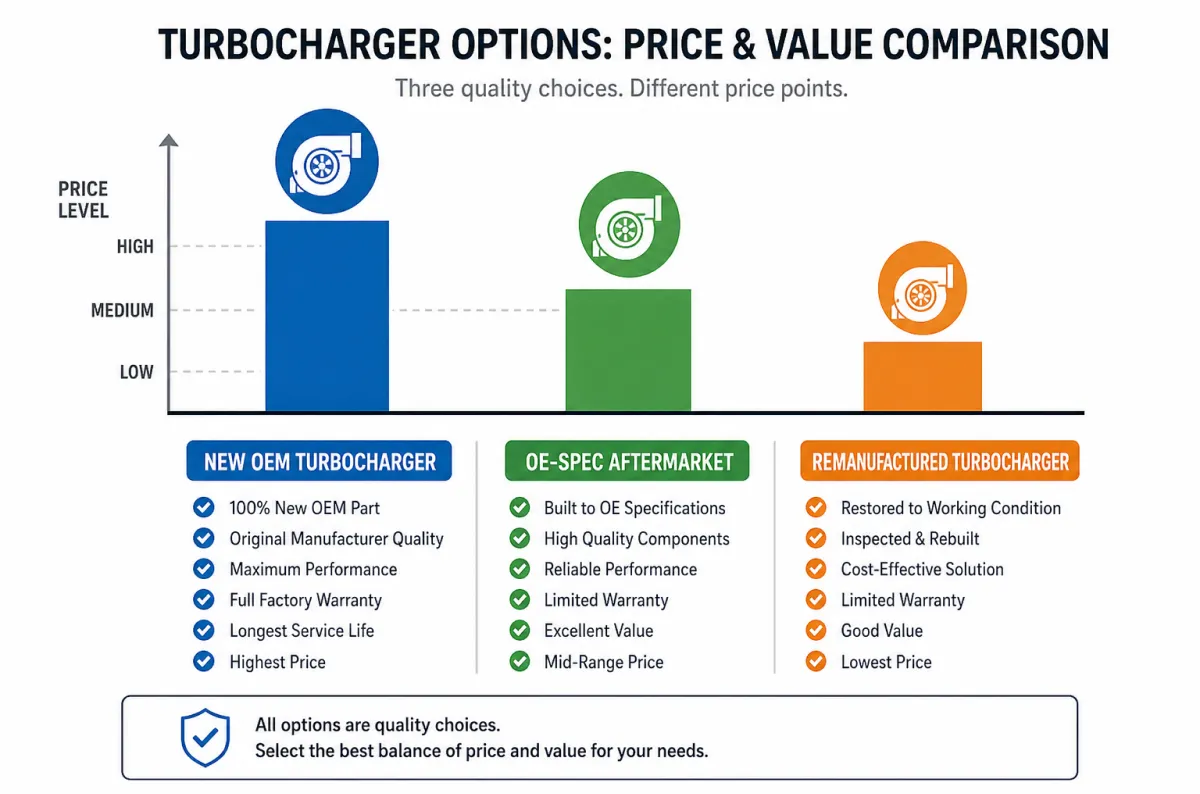
OEM vs Aftermarket vs Remanufactured: Price and Trade-Offs
| Source | Relative Price | What You Get | Watch Out For |
|---|---|---|---|
| New OEM (dealer) | Highest, often 2x+ | Guaranteed fit, factory warranty | Price; sometimes long dealer lead times |
| New OE-spec aftermarket | 40–60% below OEM | New components built to OE dimensions and balance specs | Quality varies widely by supplier; verify balancing and warranty |
| Certified remanufactured | 30–50% below OEM | OE core rebuilt with new wear parts, VSR balanced | Core charge applies; confirm what was actually replaced |
| Used / uncertified rebuilt | Lowest | Unknown history | Highest repeat-failure risk; usually no meaningful warranty |
The failure stories we hear about cheap turbos are rarely about the casting. They are about skipped balancing, wrong part numbers, and poor fitment, all of which show up as a second failure and a second labor bill within months. Whatever the channel, insist on a supplier that documents high-speed balancing and backs the unit with at least a one-year warranty.
The Hidden Costs Most Quotes Leave Out
The turbo is often only half the final invoice. Budget for these items up front:
- Diagnostics: $100–$200 to confirm the turbo is actually the failed component and not a boost leak or a stuck actuator.
- Gaskets and hardware: exhaust manifold gasket, V-band clamps, mounting studs. Seized or broken studs on a high-mileage exhaust side add labor fast.
- Oil feed and return lines: a coked oil feed line is one of the most common reasons a new turbo fails early. Replacing lines adds $50–$300 in parts and is cheap insurance.
- Oil and filter change: mandatory after any turbo failure, since bearing debris circulates through the oil system.
- Charge-air system cleaning: if the compressor wheel shed material, the intercooler and piping must be flushed. A single metal fragment left in the system can destroy the replacement turbo on the first hard pull.
- VGT actuator: if the actuator is not included with the turbo, add $400–$1,200 depending on application.
- Core charge: reman purchases usually carry a refundable core deposit until the old unit is returned.
- Downtime: the operating cost of an idle Class 8 truck runs several hundred dollars per day in lost revenue and fixed expenses. For a working truck, two extra days waiting on a dealer part can cost more than the price difference between channels.
Why Quotes Vary So Much for the Same Truck
Two shops can quote the same X15 turbo job $3,000 apart, and both quotes can be honest. The variables behind the spread are worth understanding before you approve anything. First, the part channel: one shop prices a new dealer OEM unit, the other an OE-spec aftermarket or reman unit, and that alone explains most large gaps. Second, scope: a thorough shop includes lines, gaskets, fluids, charge-air cleaning, and calibration in the estimate, while a bare quote covers the turbo and basic labor only, then grows once the truck is on the lift. Third, the actuator: some quotes assume the existing VGT actuator will be reused, which works if it tests good but adds $400–$1,200 if it does not. When comparing quotes, line them up item by item rather than by the bottom number. The cheapest headline price with an open-ended scope usually ends up as the most expensive invoice.
Turbo Price Reference by Engine and Brand
Typical aftermarket and remanufactured price ranges we see for common diesel platforms. Exact pricing depends on the OE number and EPA emissions version, so always match by the part number on the turbo nameplate:
| Engine | Common Turbo Models | Typical Part Price (Aftermarket/Reman) |
|---|---|---|
| Cummins ISX / X15 | HE451VE, HE561VE, HE400VG | $1,800–$4,000 |
| Cummins 6.7L ISB | HE300VG, HE351VE | $1,200–$2,500 |
| Detroit DD13 / DD15 | GT4502V and related VGT units | $2,000–$4,500 |
| Volvo D13 / Mack MP8 | HE400VE, HE431VE | $1,800–$4,000 |
| PACCAR MX-13 | HE500VG, HE400VG | $2,000–$4,200 |
| Cat C15 Acert (twin) | S410G, GTA4294BS, GTA5518B | $1,500–$3,500 per unit |
| 6.0L Powerstroke | GT3782V | $1,000–$2,000 |
Browse our Cummins turbocharger and Detroit turbocharger catalogs for model-specific listings with OE cross-references.
Six Ways to Reduce Your Turbo Replacement Cost
- Fix the root cause first. A turbo that failed from oil starvation, a clogged feed line, or a boost leak will kill its replacement too. Spend the diagnostic money once.
- Buy OE-spec aftermarket or certified reman instead of dealer OEM. This is the single largest saving on the job, typically 40–60% on the part with no functional difference when the supplier builds to OE specification.
- Replace lines and gaskets with the turbo. A $150 line kit is cheaper than a second $3,000 turbo and a second labor bill.
- Act on early symptoms. Replacing a turbo that is losing boost costs far less than replacing one that has shed its compressor wheel into the intercooler.
- Get an itemized quote. Ask the shop to list turbo, labor hours, gaskets, lines, calibration, and fluids separately so you can compare fairly.
- Buy at wholesale if you run a fleet or shop. Volume pricing on the platforms you service most, plus one or two units on the shelf, converts a multi-day downtime event into a same-day repair.
Where to Source Replacement Turbos at the Right Price
UPAPSI supplies new OE-specification turbochargers, VGT actuators, and repair components for Cummins, Detroit, Caterpillar, PACCAR, Volvo, Mack, and Ford diesel platforms. Every unit is VSR high-speed balanced, backed by a one-year warranty, and shipped from US inventory, and our wholesale program gives fleets and repair shops volume pricing well below dealer list. Send us the OE number from your turbo's nameplate through our contact page and we will quote the correct replacement the same day.

FAQ
A diesel pickup turbo replacement typically costs $2,300 to $2,900 including parts and labor. Class 8 heavy-duty trucks run $2,800 to $5,300 with a quality aftermarket or remanufactured VGT unit, and $6,500 to $11,000+ if a new OEM dealer part is used. Diagnostics, gaskets, oil lines, and VGT calibration can add several hundred dollars more.
The turbo alone for a Class 8 semi truck costs $2,000 to $4,500 from quality aftermarket and remanufactured sources, while a new OEM unit from a dealership runs $6,000 to $10,000 or more. Heavy-duty VGT turbos cost more than fixed-geometry units because of the vane mechanism, electronic actuator, and speed sensor built into the assembly.
Labor runs $500 to $1,000 because the job takes 4 to 8 flat-rate hours at shop rates of $100 to $200 per hour. The technician has to remove charge-air piping, exhaust connections, and oil and coolant lines, deal with seized exhaust hardware, and on VGT systems calibrate the electronic actuator to the ECM after installation. Difficult platforms, such as twin-turbo valley-mounted setups, can exceed 8 hours.
Replacement is usually the better value on modern VGT turbos. A proper rebuild needs machine-shop inspection and high-speed balancing, and by the time a shop rebuilds the cartridge and rebalances the assembly, the cost approaches a certified remanufactured unit that already carries a warranty. Rebuilding makes the most sense on simple wastegated turbos with undamaged wheels and housings.
Usually yes, if the engine is otherwise healthy. A failed turbo grounds the truck entirely, and replacement costs a fraction of engine or emissions-system repairs that follow if a failing turbo dumps oil or debris downstream. Continuing to run a failing turbo risks damaging the DPF and aftertreatment system, which costs far more than the turbo itself.
Plan on one shop day for most trucks. Straightforward jobs, such as a 6.7L Cummins pickup or a well-accessed heavy-duty platform, take 4 to 6 hours of labor. Complex layouts with twin turbos or cab-over access can run 8 or more hours. Parts availability drives total downtime more than wrench time, which is why fleets keep common turbo models on the shelf.
At minimum: the exhaust manifold gasket, V-band clamps, oil feed and return lines, engine oil and filter, and the air filter. If the old turbo shed compressor wheel material, the intercooler and charge-air piping must be flushed before startup. On VGT applications, evaluate the actuator, and replace it if it is not already included with the new turbo.