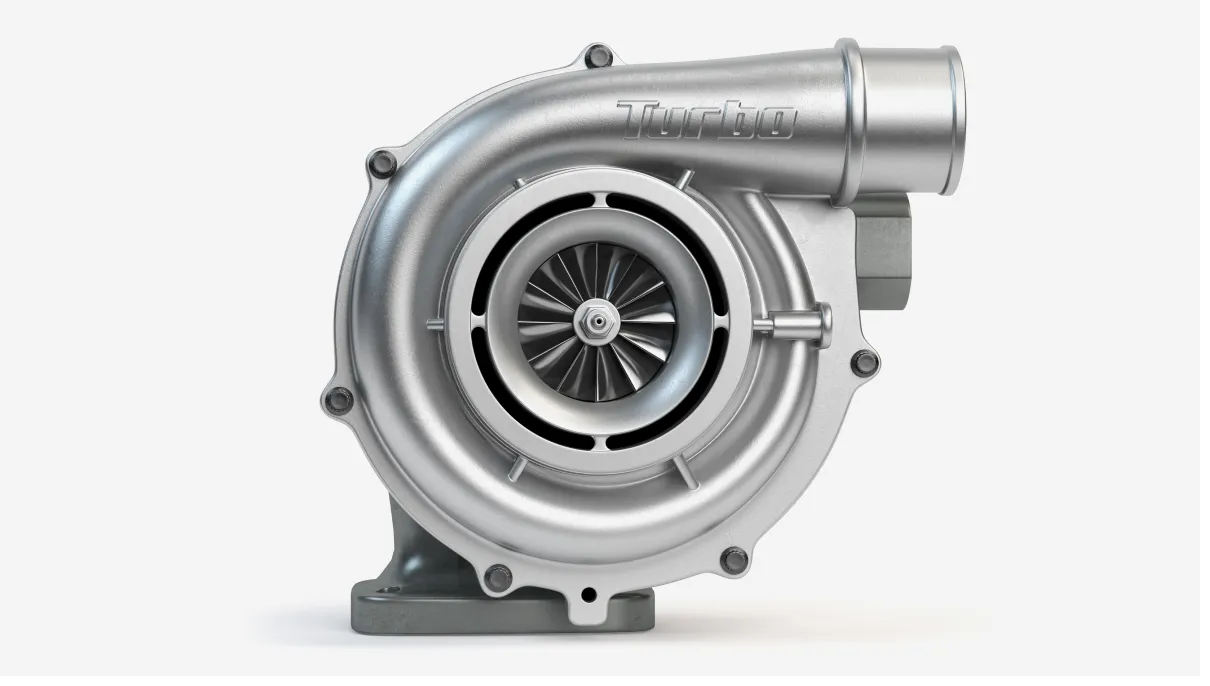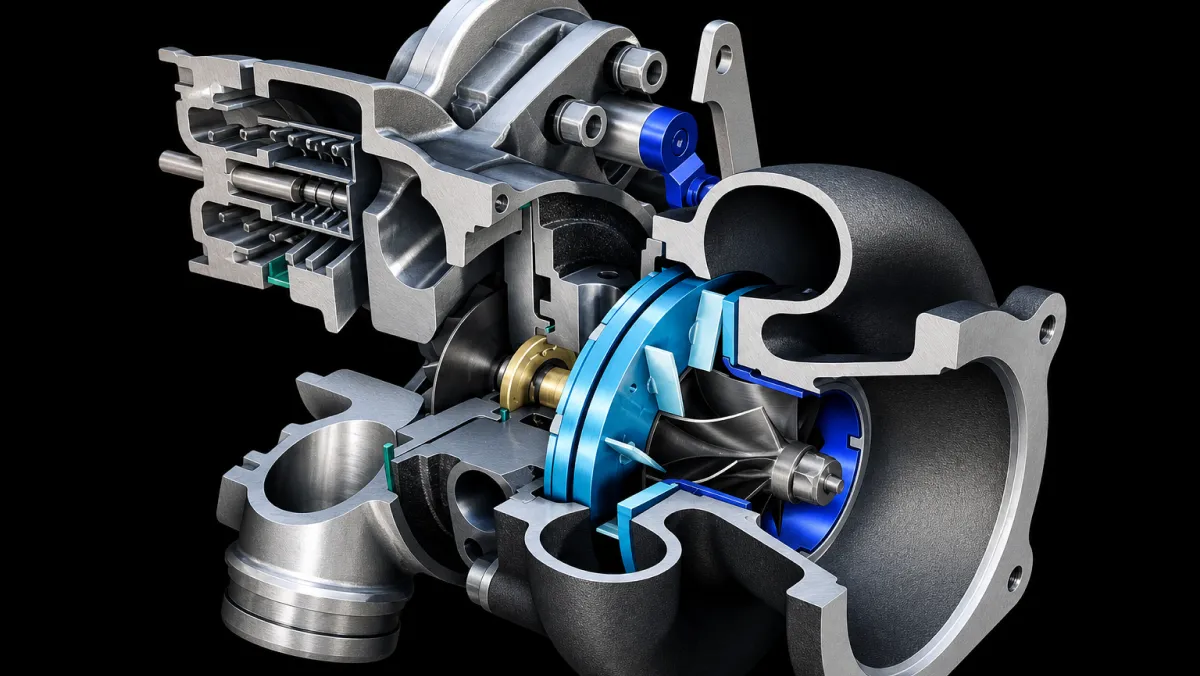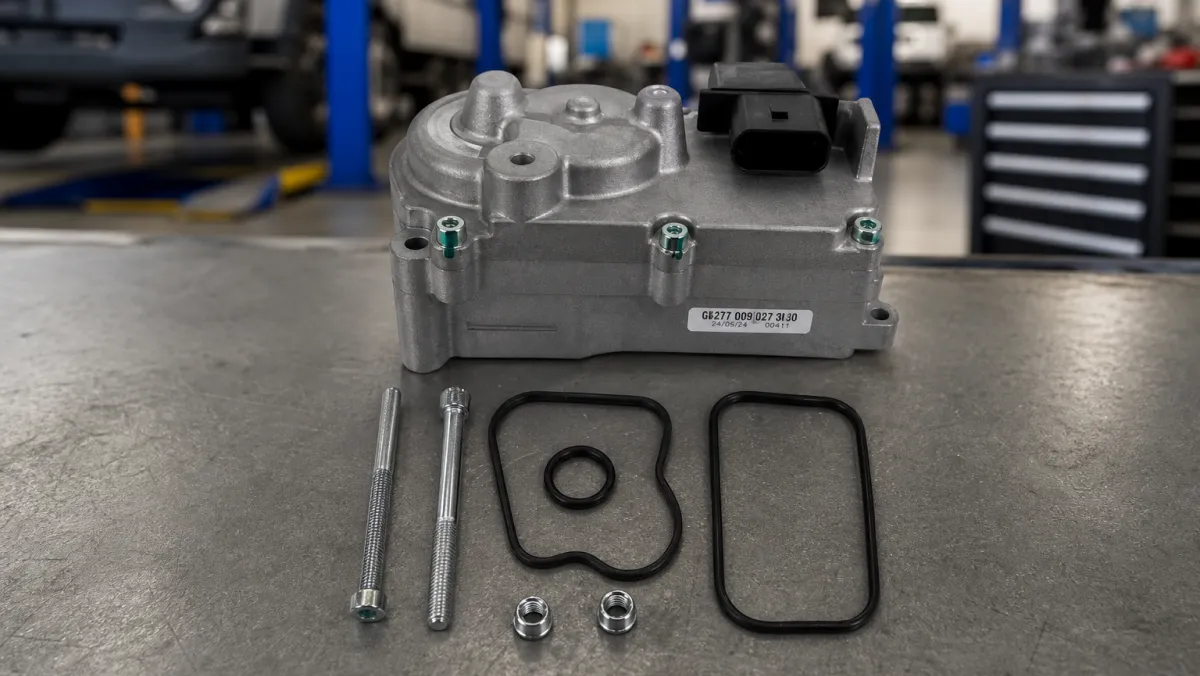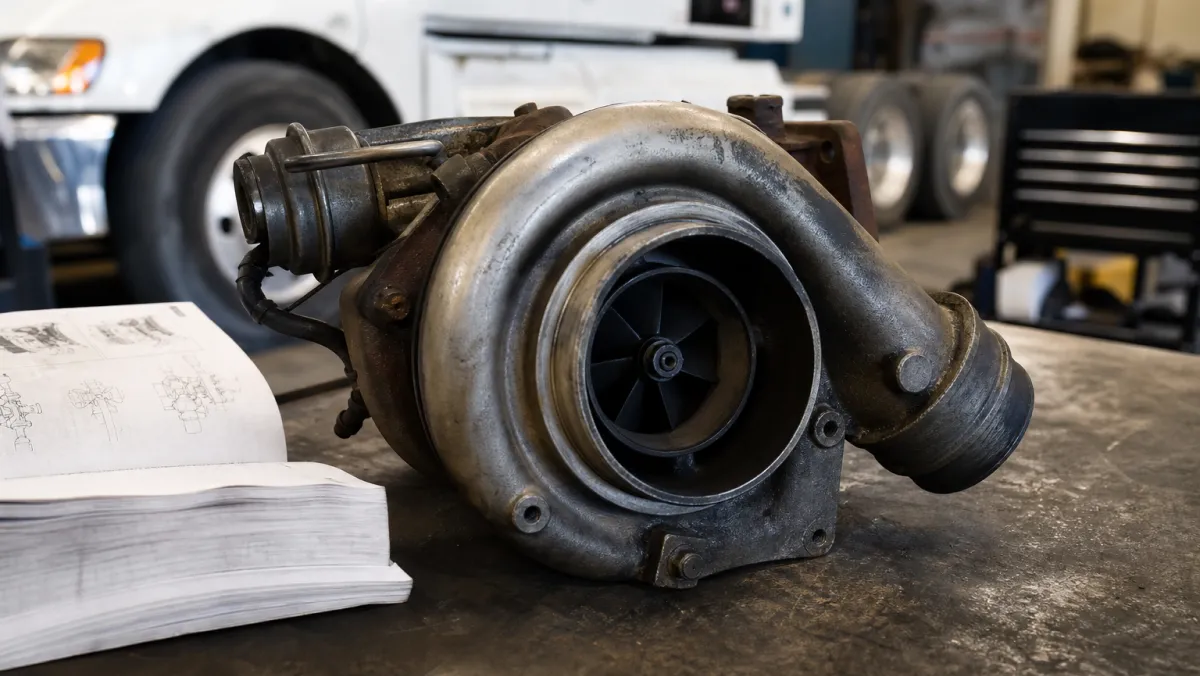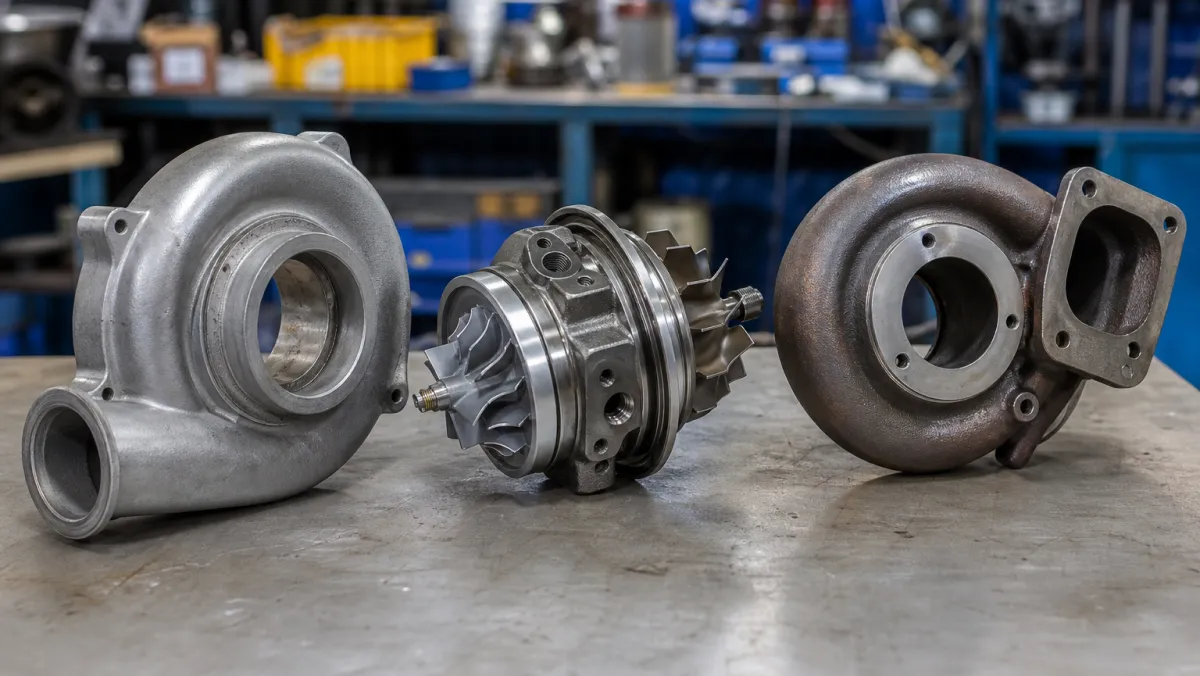
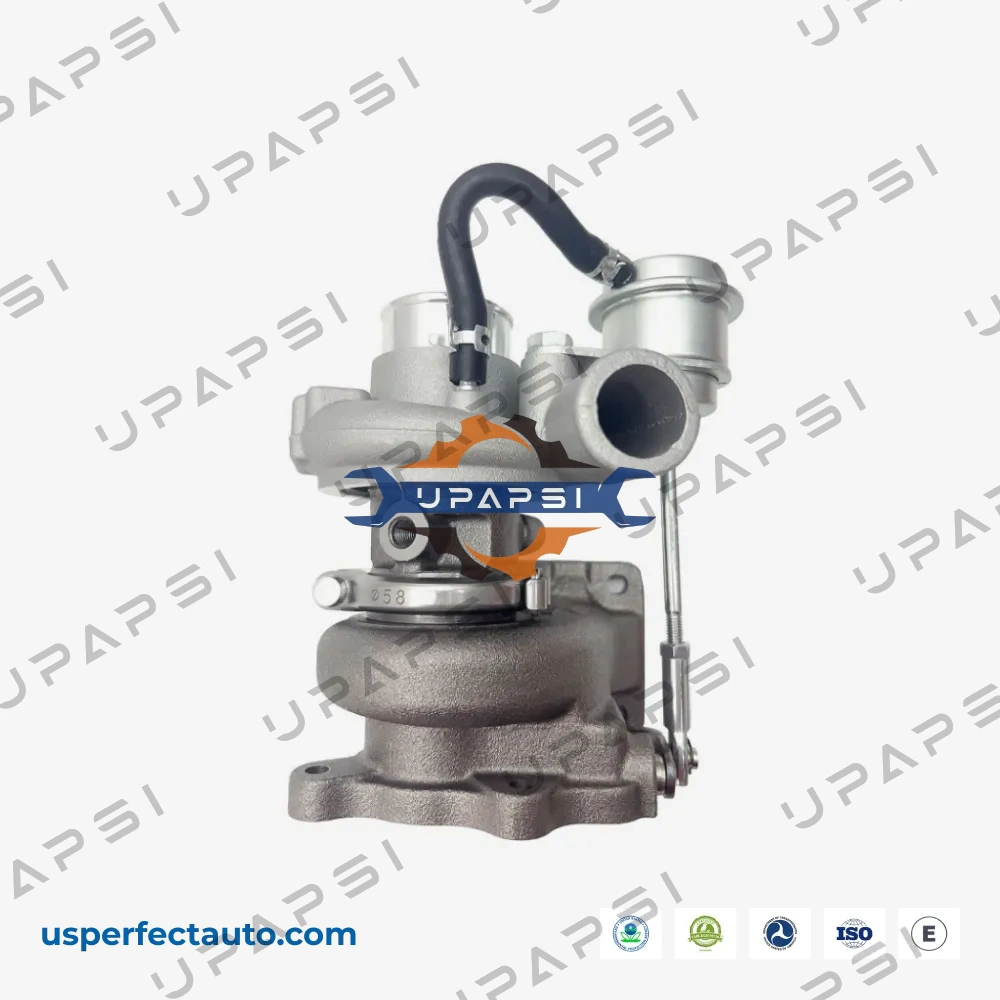
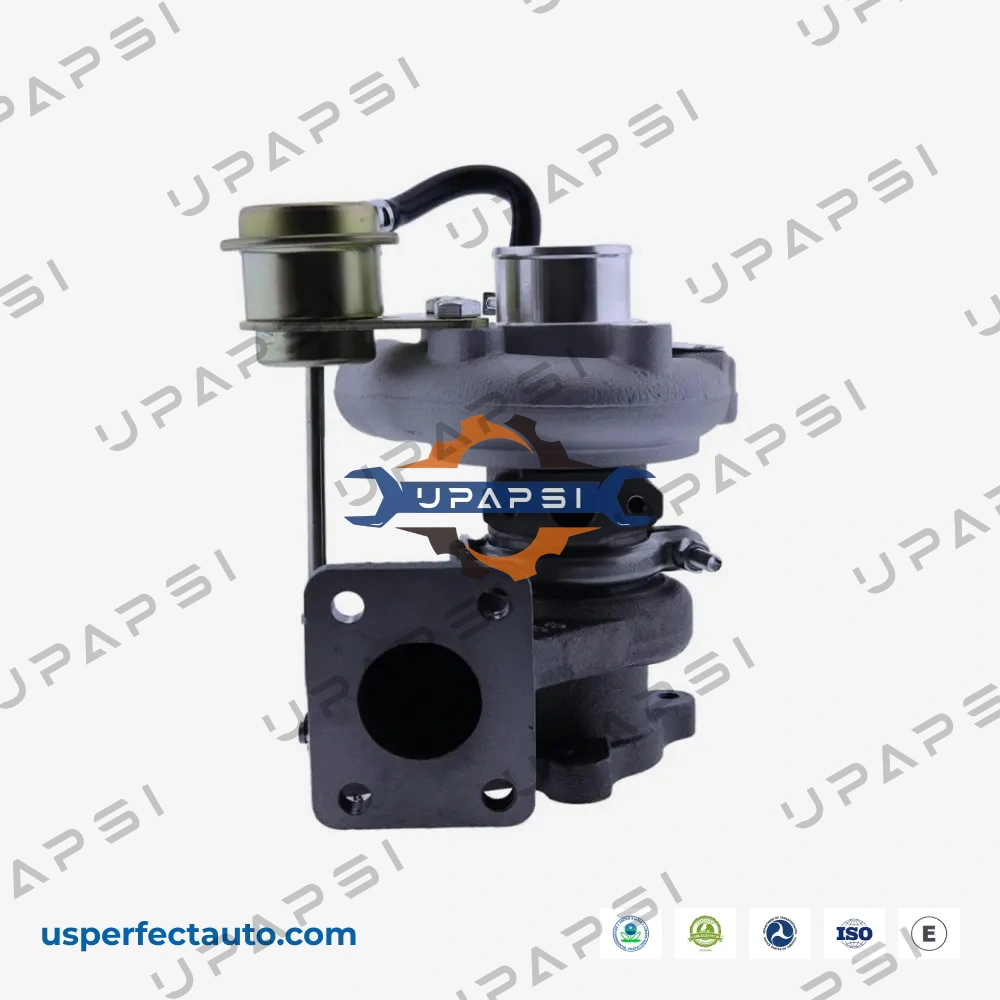
Turbocharger 1G770-17012 for Kubota V2003-T Engine
1G770-17012, 1G77017012, 49131-02030, 49131-02010
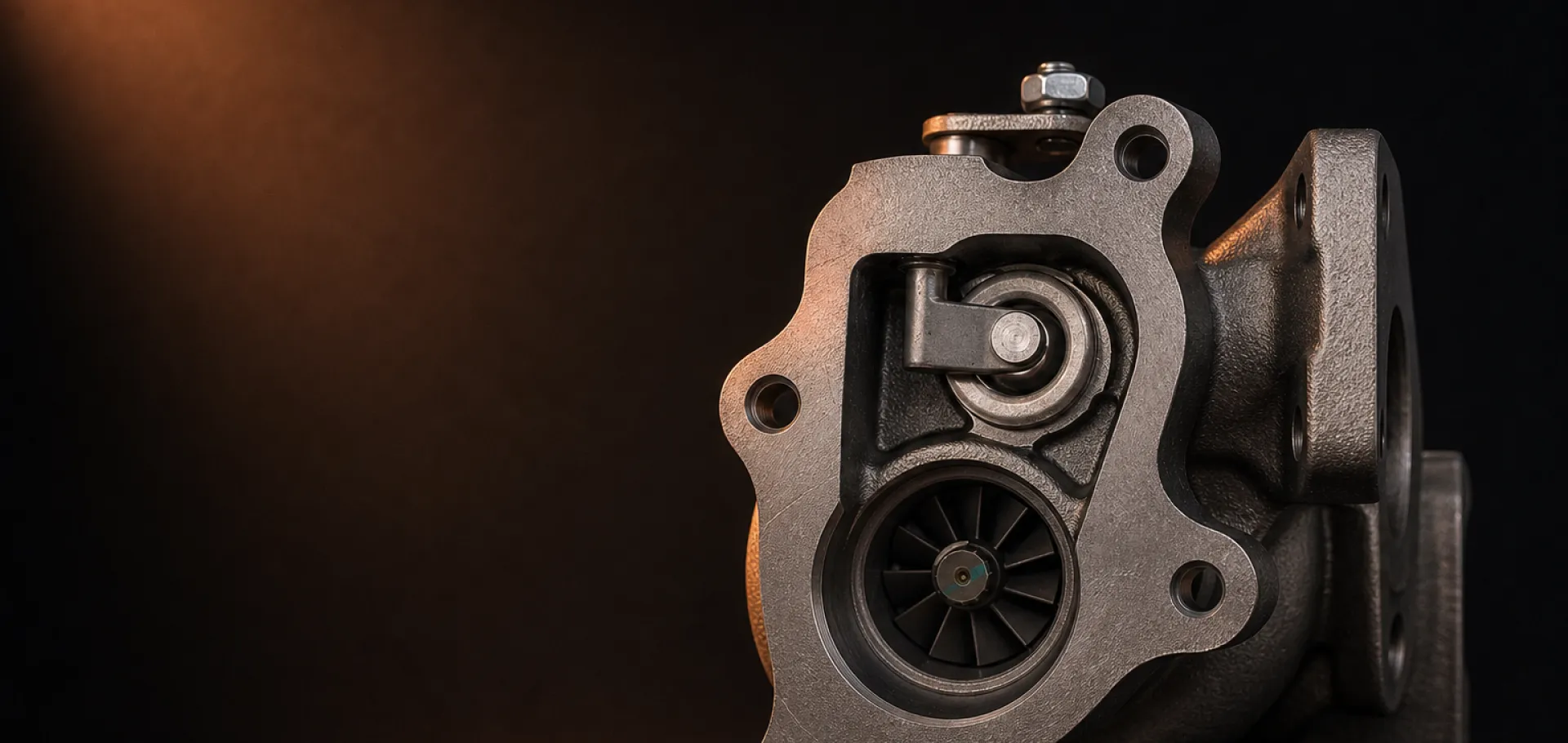
New Replacement Turbochargers for Kubota V2003 and V2403 Engines in Bobcat Skid Steers and Excavators
Kubota V-series diesel engines power the most popular compact construction equipment in North America — Bobcat skid steers, compact track loaders and mini excavators that work on every job site from residential landscaping to municipal utility. When the turbo fails, the machine loses power and the job stops. We stock brand new replacement turbochargers for the Kubota V2003-T, V2003-M-DI-T and V2403 engines across the most common Bobcat models: S150, S160, S175, S185, S205 skid steers, T180 and T190 track loaders, and 337 and 341 mini excavators. Each turbo is matched by the Kubota engine part number or the Bobcat machine part number and ships ready to install. Shops, equipment dealers and distributors order from US stock.
1G770-17012, 1G77017012, 49131-02030, 49131-02010
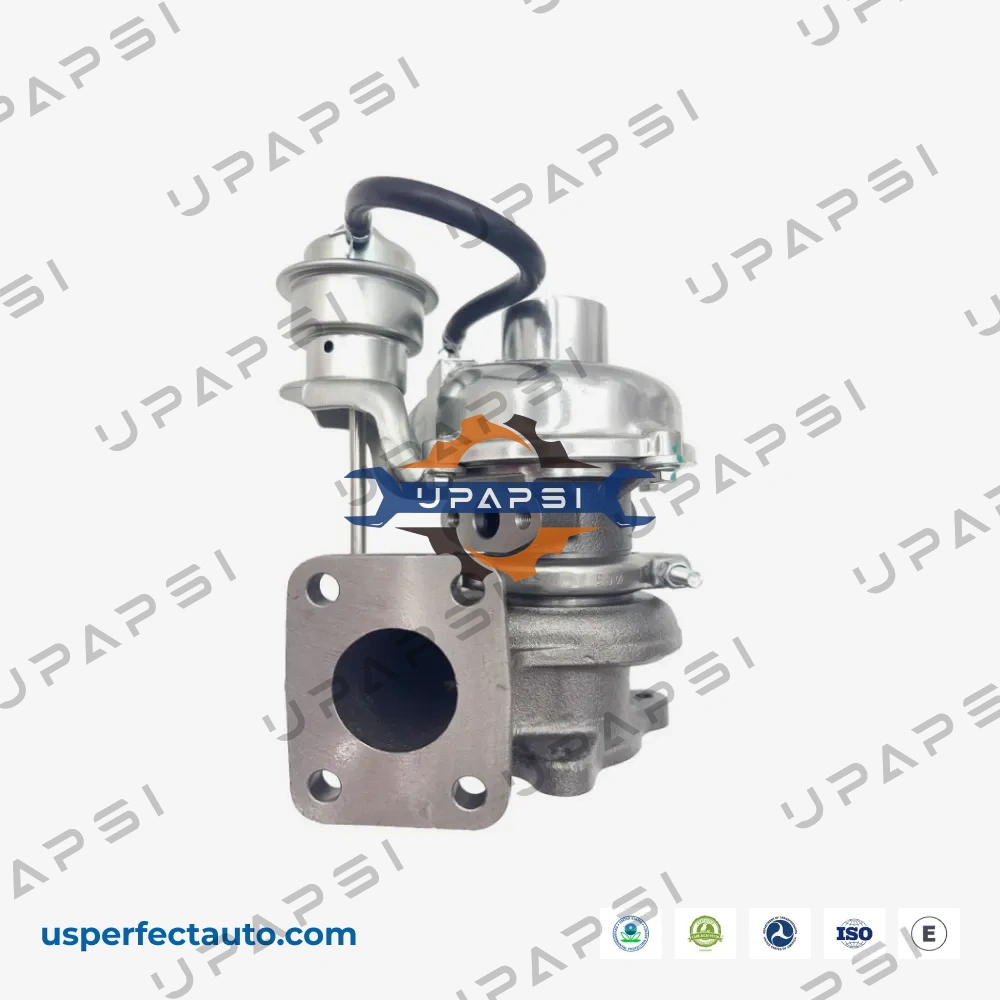
1G93417011, 1G488-17011, 1G934-17011, V2403MDITCE, V2403MDITCE1, 1G934-17012
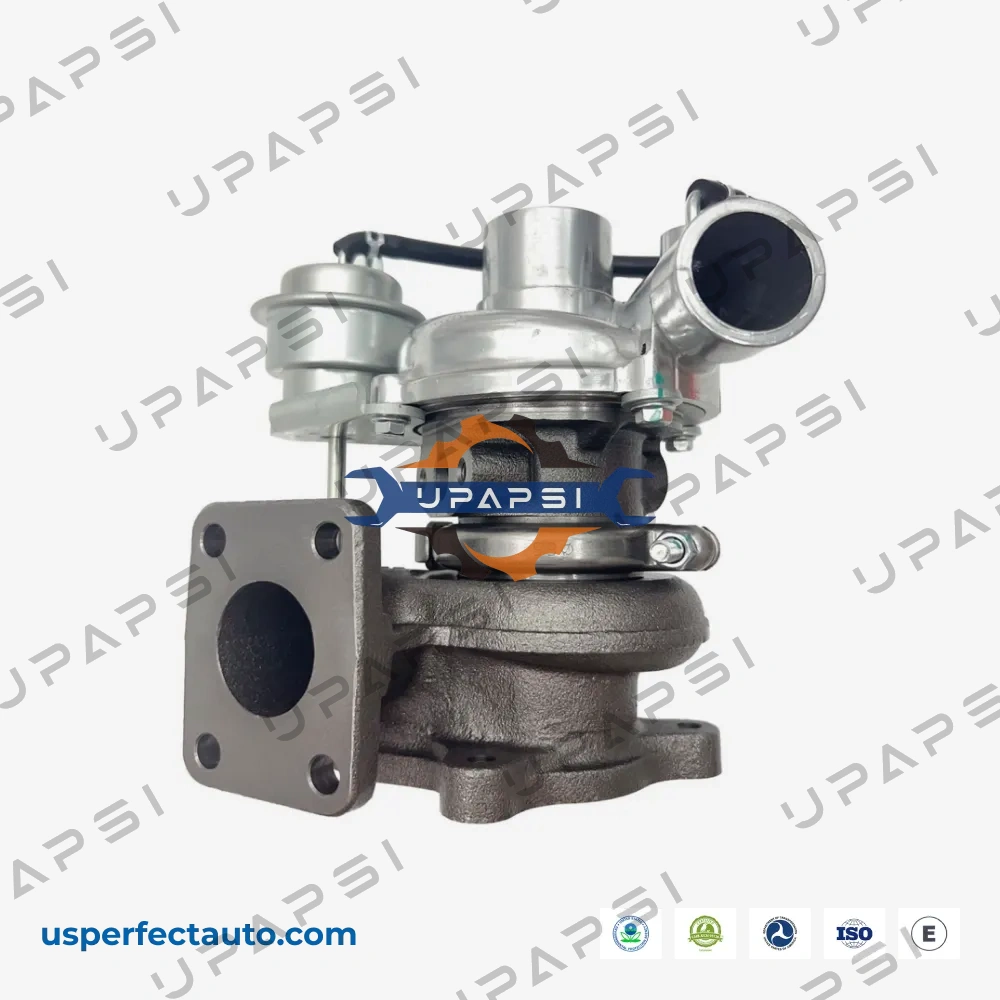
VD410096, 1G924-17012, 1G924-17011, 1G924-17010, 1G92417011, 1G92417010, 7020836
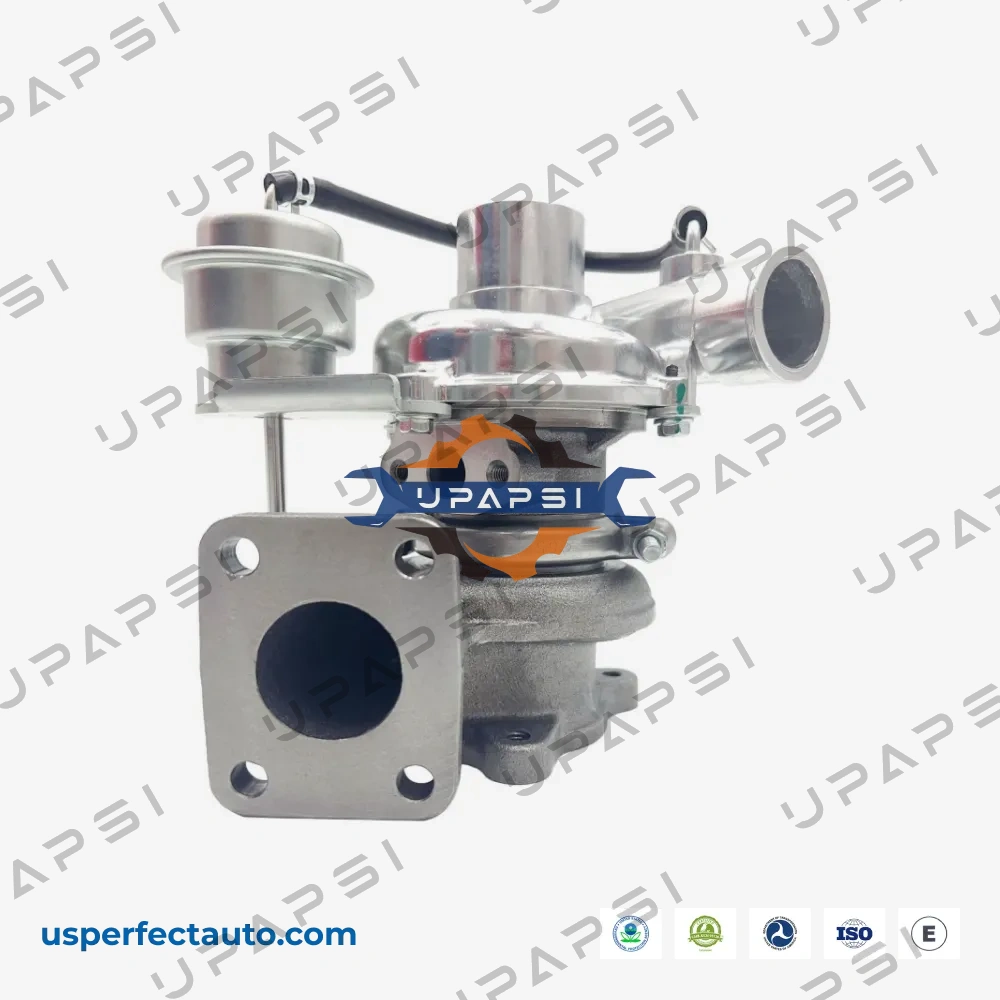
7020837, 6685593
6675676
Compact equipment turbo jobs are different from truck turbo jobs. The machines run dusty, the access is tight, the customer is usually a contractor who needs the machine back on the job site tomorrow morning, and the Kubota part number system is unfamiliar to shops that mostly work on trucks. We stock the turbos, sort the part numbers, and ship fast.
We stock turbos for the V2003-T, V2003-M-DI-T and V2403 engine families — covering the Bobcat S150, S160, S175, S185, S205, T180, T190, 337, 341 and 773 models. Five part numbers cover the full range of the most common Kubota-powered Bobcat machines in the field.
Kubota uses its own engine part number system (1G622-17012, 1G488-17011, 1G924-17012) while Bobcat assigns separate machine part numbers (7020837, 6675676). We cross-reference both — send us either number and we confirm the match before shipping.
Skid steers and excavators operate in the worst air quality of any diesel application — raw dirt, concrete dust, demolition debris. The turbo ingests whatever gets past the air filter, and compact equipment air filters clog fast in dusty conditions. When replacing a turbo on these machines, inspect the entire intake tract from filter housing to turbo inlet. A cracked hose or loose clamp lets dust bypass the filter and erode the new compressor wheel.
One-year warranty on every turbo, handled by our US team. Before install, check the oil feed line for restriction and confirm the engine oil is fresh — these small diesels hold limited oil volume and degrade it fast under heavy load. See the warranty page.
Every Kubota turbo we ship is 100% new — not remanufactured, not pulled from a salvage machine. No core deposit, no old unit to return. On compact equipment where the turbo removal and reinstall is a tight-access job, the last thing you need is a second round trip for a core return.
Equipment rental companies and Bobcat dealers replace turbos on a fleet cycle. Pricing is structured for that volume — consistent wholesale cost, US inventory, same part number verification on every order. See the wholesale page.
We stock turbos for the V2003-T, V2003-M-DI-T and V2403 engine families — covering the Bobcat S150, S160, S175, S185, S205, T180, T190, 337, 341 and 773 models. Five part numbers cover the full range of the most common Kubota-powered Bobcat machines in the field.
Kubota uses its own engine part number system (1G622-17012, 1G488-17011, 1G924-17012) while Bobcat assigns separate machine part numbers (7020837, 6675676). We cross-reference both — send us either number and we confirm the match before shipping.
Skid steers and excavators operate in the worst air quality of any diesel application — raw dirt, concrete dust, demolition debris. The turbo ingests whatever gets past the air filter, and compact equipment air filters clog fast in dusty conditions. When replacing a turbo on these machines, inspect the entire intake tract from filter housing to turbo inlet. A cracked hose or loose clamp lets dust bypass the filter and erode the new compressor wheel.
One-year warranty on every turbo, handled by our US team. Before install, check the oil feed line for restriction and confirm the engine oil is fresh — these small diesels hold limited oil volume and degrade it fast under heavy load. See the warranty page.
Every Kubota turbo we ship is 100% new — not remanufactured, not pulled from a salvage machine. No core deposit, no old unit to return. On compact equipment where the turbo removal and reinstall is a tight-access job, the last thing you need is a second round trip for a core return.
Equipment rental companies and Bobcat dealers replace turbos on a fleet cycle. Pricing is structured for that volume — consistent wholesale cost, US inventory, same part number verification on every order. See the wholesale page.

WHY CHOOSE US
We match Kubota turbos by engine part number or Bobcat machine number, hold inventory on a US shelf, and ship fast. Compact equipment downtime is measured in lost job-site hours, not miles — speed matters. More about our company and quality process.
It depends on the Bobcat model and engine variant. The S150, S160, S175, S185 and 773 with V2003-T engines use one group of turbos. The T180, T190 and S205 with V2403 engines use another. The 337 and 341 mini excavators share part numbers with some of the skid steer turbos. The safest way to order is by the Kubota engine part number stamped on the old turbo (starts with 1G) or the Bobcat machine part number (six or seven digits). Send us either one and we confirm the match.
Yes. We cross-reference both Kubota engine part numbers and Bobcat machine part numbers. Send us the Bobcat number (such as 7020837 or 6675676) and we will match it to the correct turbo.
Dust ingestion is the leading cause. Compact equipment operates in extremely dusty environments, and the air filtration system on skid steers and mini excavators is smaller and clogs faster than on a truck. A clogged filter restricts airflow and can cause the turbo to work harder; a failed or bypassed filter lets abrasive particles erode the compressor wheel. The second most common cause is oil starvation — these small Kubota engines hold limited oil volume, and the oil degrades faster under continuous heavy load than in a truck that cruises at highway speed.
Yes. Kubota V2003 and V2403 engines are also used in Thomas skid steers, Toro Groundsmaster mowers, Princeton forklifts and other compact equipment. The turbo is matched by the Kubota engine part number, not the machine brand — if the engine is a V2003-T or V2403 with a matching Kubota turbo part number, our turbo fits.
All units are 100% brand new. No core charge, nothing to return. New compressor and turbine wheels, new center section, new actuator where applicable. One-year warranty.
Yes. Equipment rental fleets and Bobcat dealers order on regular replacement cycles. Consistent wholesale pricing from US stock. See the wholesale page.
The Kubota V-series diesel is the engine behind most of the Bobcat compact equipment fleet in North America. These are small, high-output turbodiesel engines that run at full load for hours in conditions that would destroy a truck engine — and their turbochargers take the worst of it.
| Kubota engine | Bobcat models | Turbo part number |
|---|---|---|
| V2003-T | S150, S160, S175, 773, 337, 341 | 1G622-17012 / 6675676 |
| V2003-M-DI-T | S185 | 1G488-17011 |
| V2403 | T180, T190, S205 | 1G924-17012 / 7020837 |
Multiple Kubota part numbers can cross-reference to the same physical turbo — the 1G-series numbers are Kubota engine part numbers, while the six and seven-digit numbers are Bobcat machine part numbers. Both point to the same unit.
Truck turbos fail from mileage and soot. Compact equipment turbos fail from environment. The difference matters for diagnosis and prevention:
Access varies by machine, but the general process is consistent: drain the oil, disconnect the intake and exhaust piping from the turbo, disconnect the oil feed and drain lines, unbolt the turbo from the exhaust manifold and remove it. On the Bobcat S-series skid steers, the turbo is accessible from the rear with the rear door open; on the 337/341 excavators, access is tighter and may require removing surrounding components. Before installing the new turbo, flush or replace the oil feed line (carbon buildup in the line is common), pour clean oil into the turbo oil inlet and hand-spin the shaft to pre-lubricate the bearings. Start the engine and idle for two to three minutes before loading — this lets oil pressure stabilize and coat the bearing surfaces before the turbo reaches operating speed.