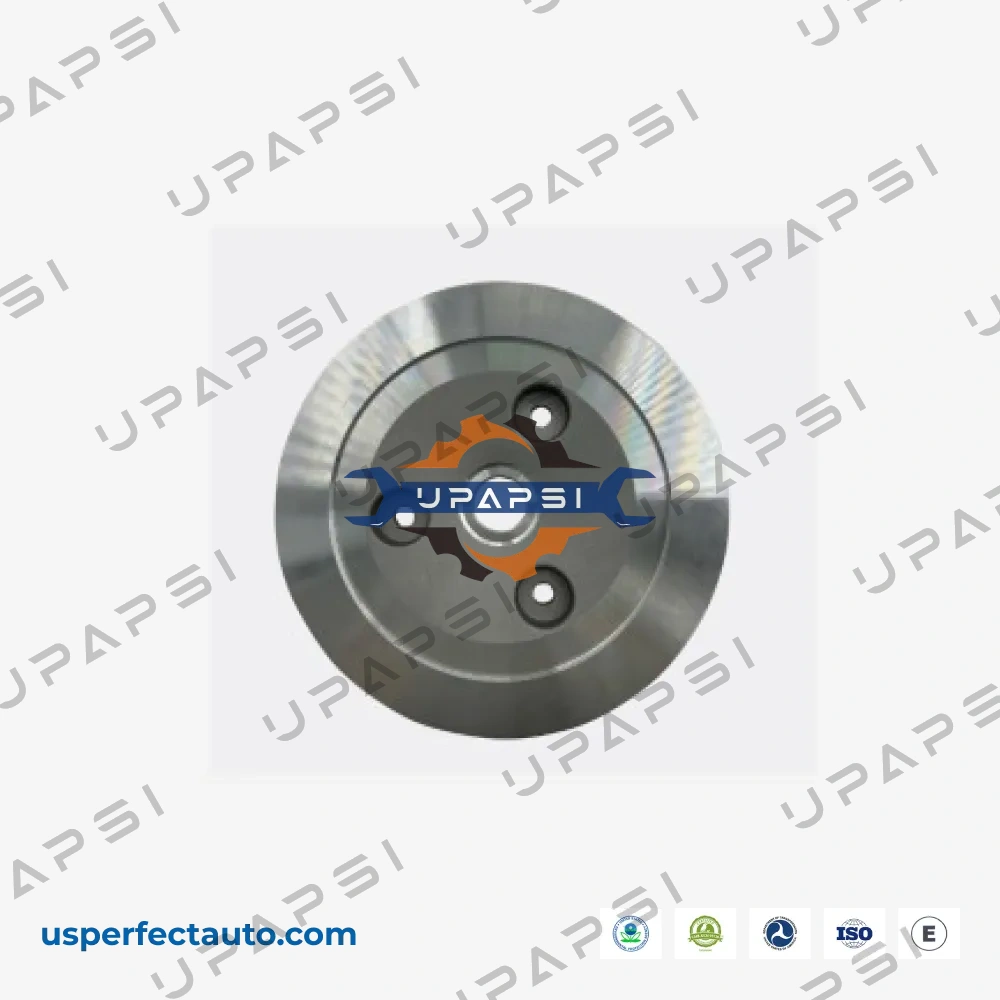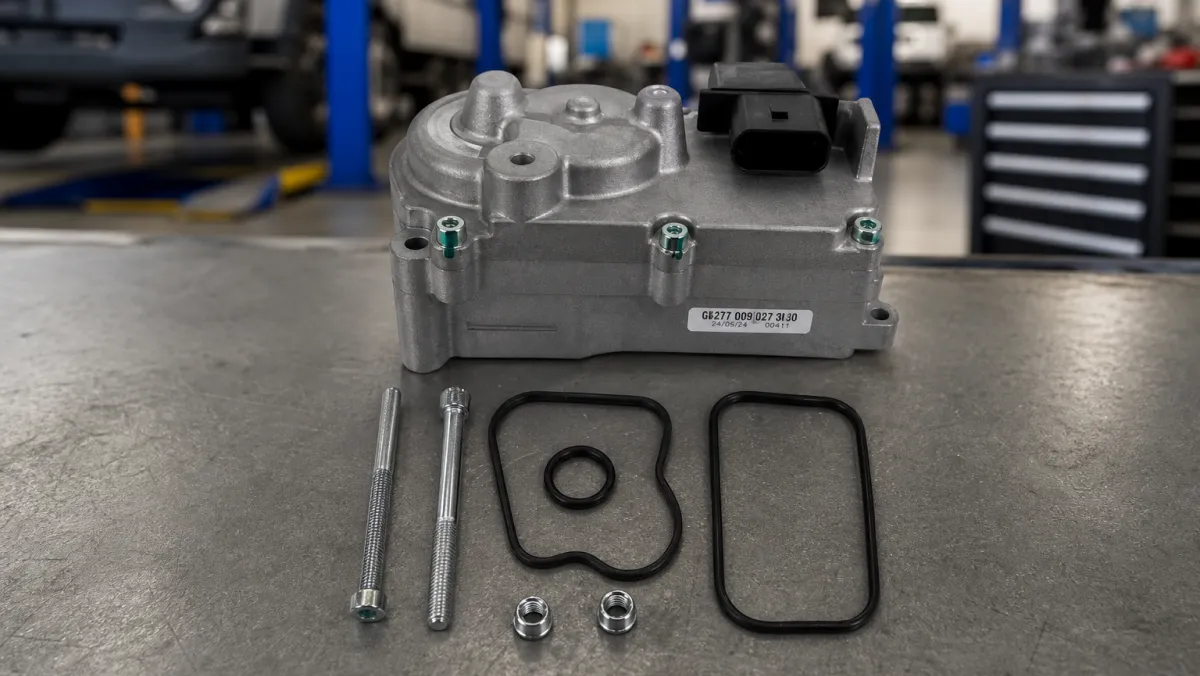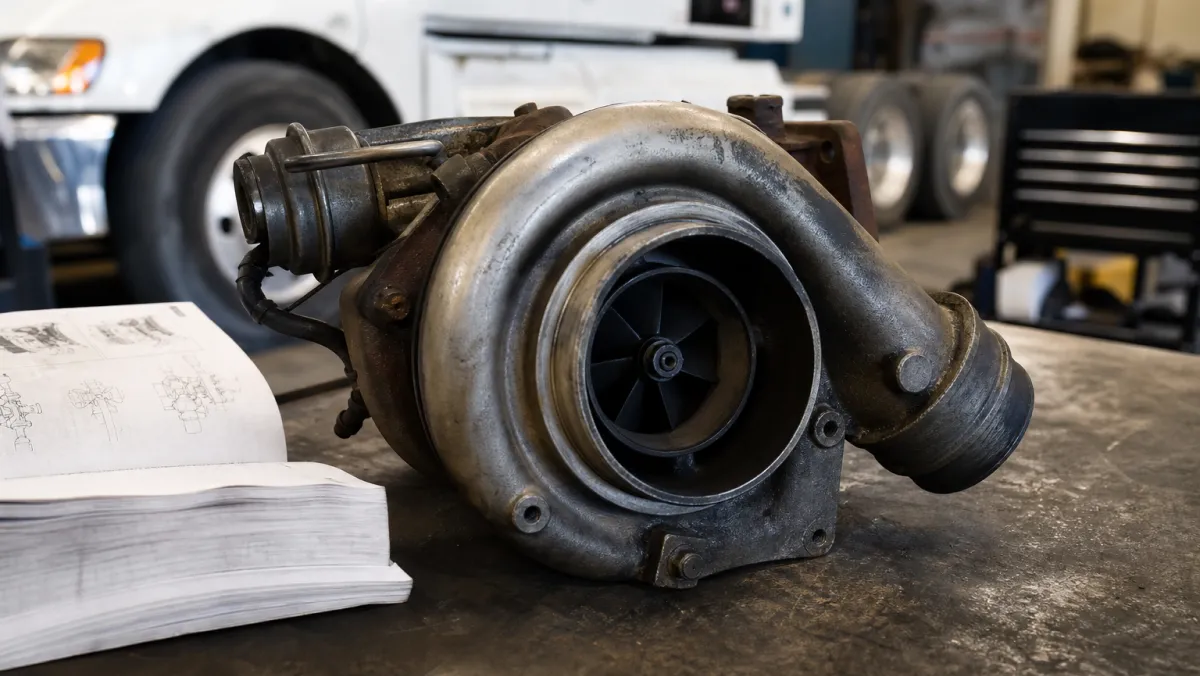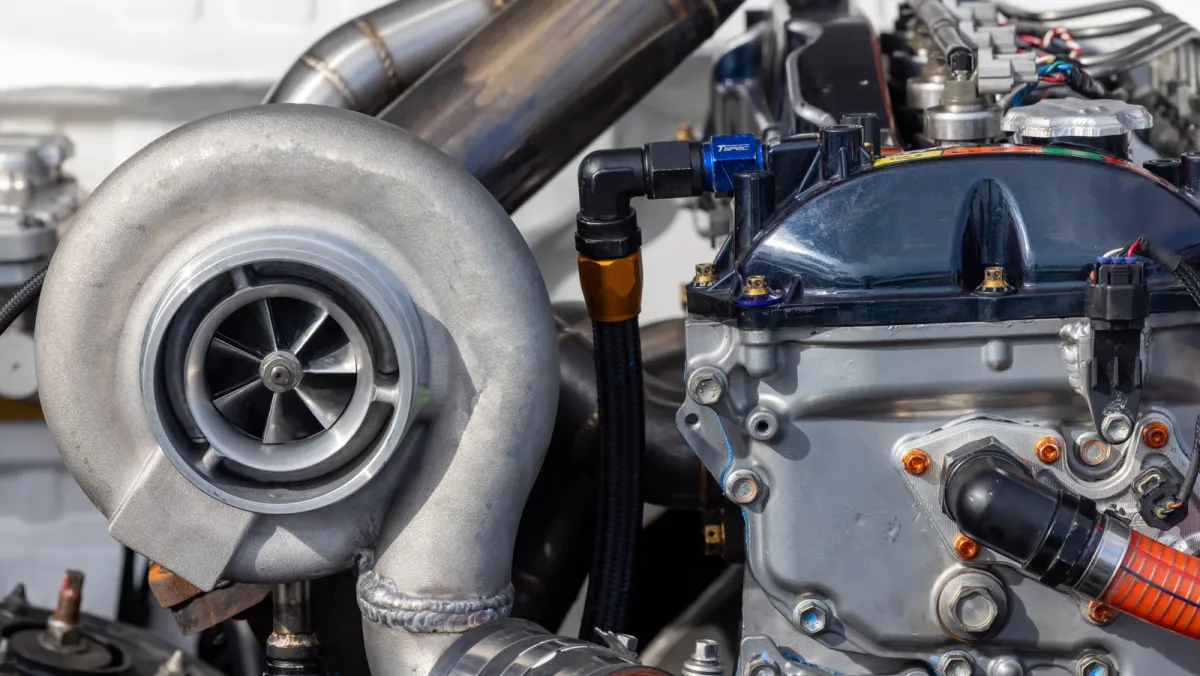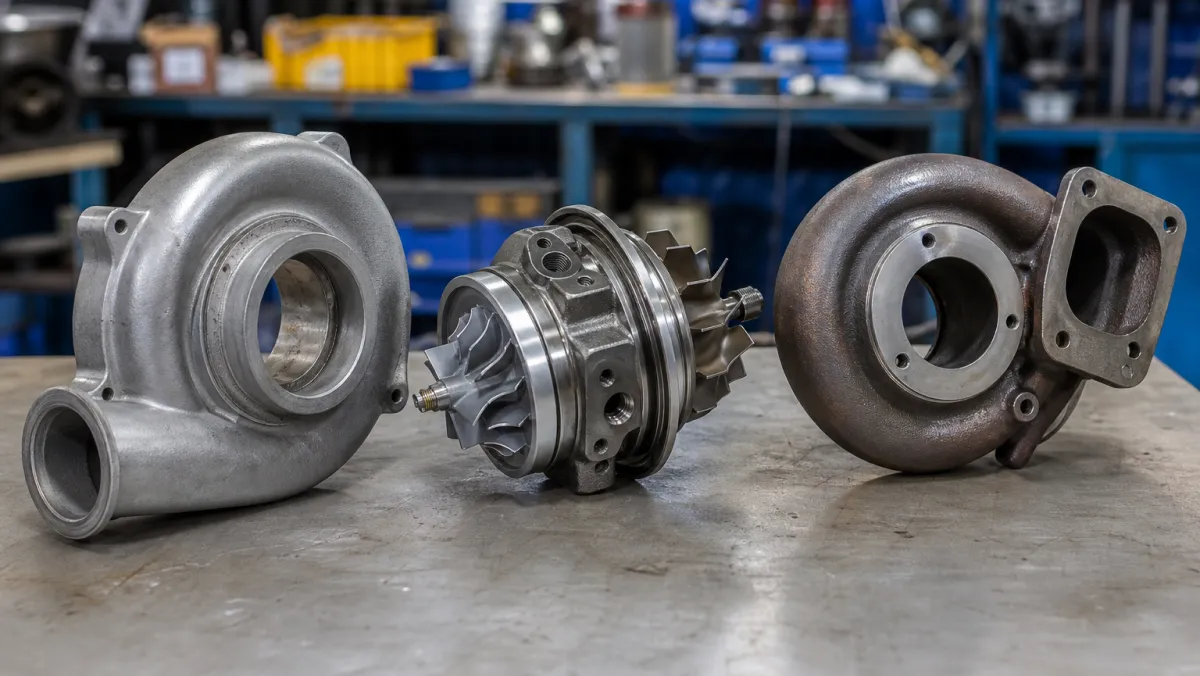
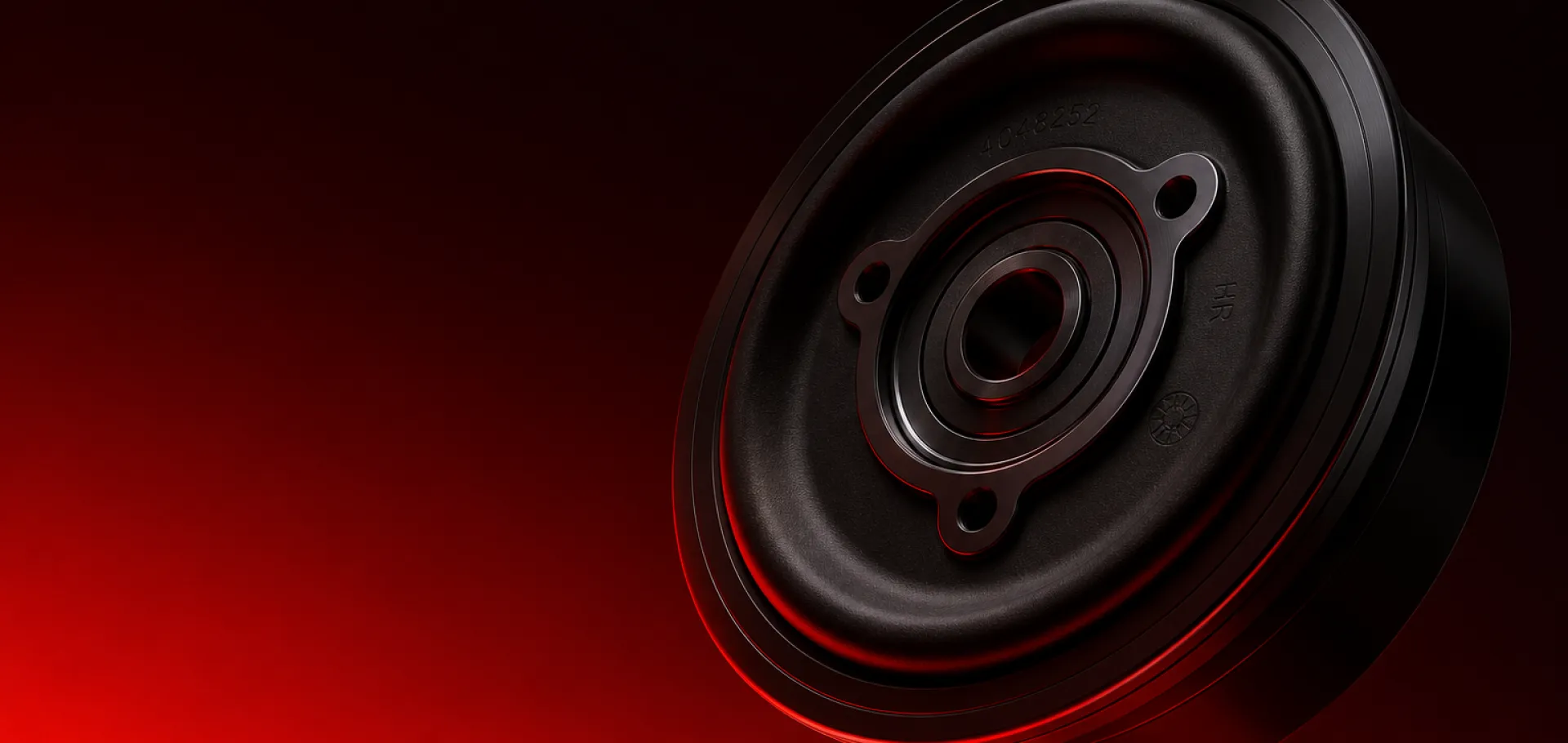
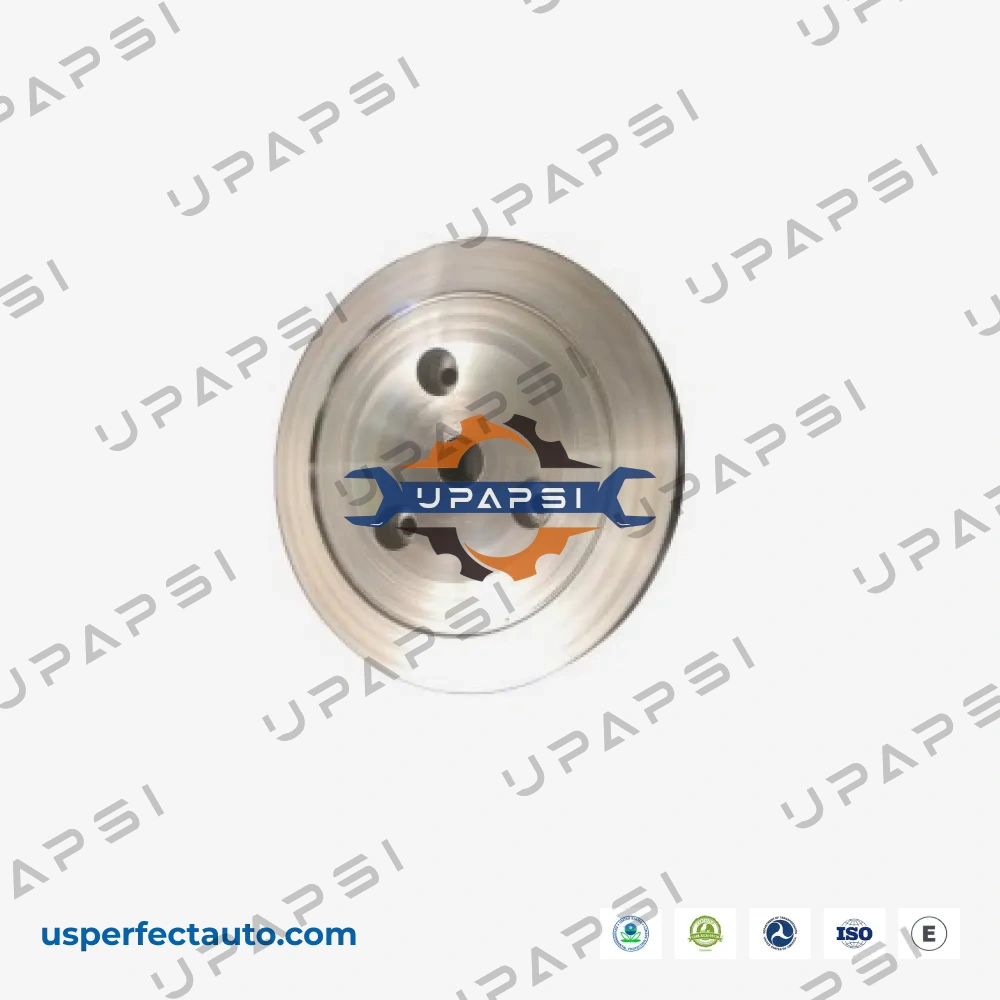
Brand new turbo back plates and seal plates for Holset VGT turbochargers on Cummins and PACCAR engines supplied by UPAPSI

Turbo Back Plates

New Seal Plates for Holset VGT Turbochargers — Cummins ISX, X15, ISB 6.7 and PACCAR MX-13

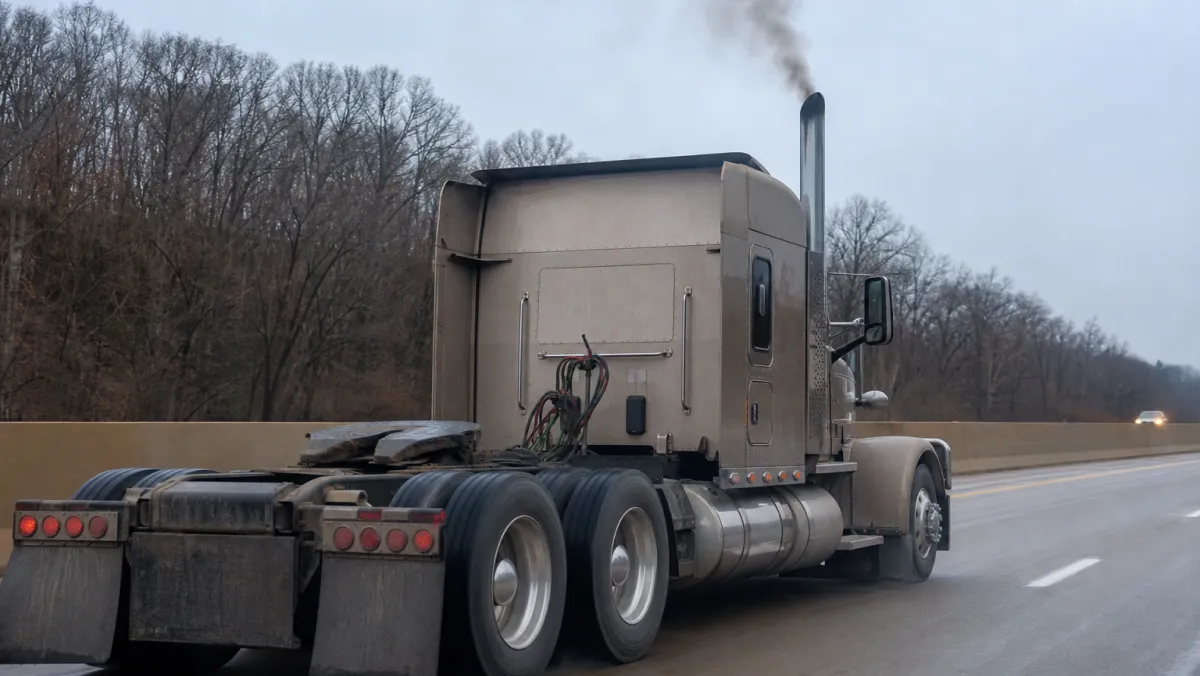
The turbo back plate — also called the seal plate or insert plate — sits between the bearing housing and the compressor housing, retaining the thrust bearing and housing the compressor-side oil seal. When the sealing surface wears, oil bypasses into the compressor and shows up as blue or white smoke at the stack. We stock brand new back plates for Holset VGT turbochargers across the heavy-duty Cummins and PACCAR range: HE451VE and HE400VG for ISX and X15, HE531VE and HE551VE for ISM, HE561VE for EPA07 ISX, HE300VG and HE351VE for the 6.7L ISB and Ram trucks, plus HE500VG and HE531VE for PACCAR MX-13. Every plate is new, precision-machined to OEM-spec clearances, and matched by turbo part number before shipping. Shops, fleets and distributors order from US stock.

  • 100% Brand New
  • OEM-Spec Quality
  • Precision-Machined Clearances
  • US Stock, Fast Dispatch
  • Direct-Fit Replacement
  • 1-Year Warranty
  • No Core Charge

The Seal Between Hot and Cold — A Small Part That Prevents Oil Leaks

A worn back plate is the most common source of compressor-side oil leaks on Holset VGT turbos — and one of the most commonly missed. Shops pull the turbo, see oil in the compressor housing, and assume the whole CHRA needs replacing. Half the time the sealing surface on the back plate is the actual failure, and a significant cost plate fixes what looked like a significant cost cartridge job. We stock the plates to make that diagnosis pay off.

The Seal Between Hot Exhaust and Cold Oil

The back plate sealing surface must hold clearances measured in thousandths of an inch against the piston ring seal. Our plates are machined to OEM-spec dimensions from quality aluminum — the tolerances that keep oil on the bearing side and compressed air on the compressor side.

Matched by Turbo Model and Housing Configuration

We stock back plates for the HE300VG, HE351VE, HE400VG, HE451VE, HE500VG, HE531VE, HE551VE and HE561VE — covering Cummins ISX, ISM, ISB 6.7, the X15, and PACCAR MX-13. One source for the full Holset VGT range.

Check During Every Turbo Rebuild

Before ordering a complete cartridge or CHRA, check the back plate sealing surface for scoring, grooves or discoloration. A scored plate lets oil past even with a brand new piston ring. If the plate is damaged and the shaft and bearings check out, a new plate and seal kit is the fix — at a fraction of the cost of a full rebuild.

Prevents Oil Migration Into the Turbine Side

Every plate is brand new — precision-machined, not resurfaced, not reconditioned. No core charge, nothing to return. A resurfaced plate is a gamble on someone else's machining tolerances; a new one removes the variable.

Ships New, OEM-Spec Dimensions

Back plate dimensions vary between Holset models and even between part number revisions within the same model. We match by the turbo's Holset or Cummins part number, not by model name alone, so the clearances are right for your specific unit.

A Low-Cost Part That Prevents Expensive Problems

One-year warranty on every plate, handled by our US team. If a new plate still shows oil bypass, the root cause is usually excessive shaft play or crankcase pressure — we help you chase that down before sending a second plate. Details on the warranty page.

The Seal Between Hot Exhaust and Cold Oil

The back plate sealing surface must hold clearances measured in thousandths of an inch against the piston ring seal. Our plates are machined to OEM-spec dimensions from quality aluminum — the tolerances that keep oil on the bearing side and compressed air on the compressor side.

Matched by Turbo Model and Housing Configuration

We stock back plates for the HE300VG, HE351VE, HE400VG, HE451VE, HE500VG, HE531VE, HE551VE and HE561VE — covering Cummins ISX, ISM, ISB 6.7, the X15, and PACCAR MX-13. One source for the full Holset VGT range.

Check During Every Turbo Rebuild

Before ordering a complete cartridge or CHRA, check the back plate sealing surface for scoring, grooves or discoloration. A scored plate lets oil past even with a brand new piston ring. If the plate is damaged and the shaft and bearings check out, a new plate and seal kit is the fix — at a fraction of the cost of a full rebuild.

Prevents Oil Migration Into the Turbine Side

Every plate is brand new — precision-machined, not resurfaced, not reconditioned. No core charge, nothing to return. A resurfaced plate is a gamble on someone else's machining tolerances; a new one removes the variable.

Ships New, OEM-Spec Dimensions

Back plate dimensions vary between Holset models and even between part number revisions within the same model. We match by the turbo's Holset or Cummins part number, not by model name alone, so the clearances are right for your specific unit.

A Low-Cost Part That Prevents Expensive Problems

One-year warranty on every plate, handled by our US team. If a new plate still shows oil bypass, the root cause is usually excessive shaft play or crankcase pressure — we help you chase that down before sending a second plate. Details on the warranty page.

Parts that fit the first time, priced for the shop

WHY CHOOSE US

Parts that fit the first time, priced for the shop

We verify the turbo part number before dispatch, hold inventory on a US shelf, and price for shops and distributors who move turbo components regularly. The process repeats cleanly whether you need one plate or a case. More about our company and quality process.

FAQ

The back plate (seal plate) sits between the bearing housing and the compressor housing of the turbocharger. It retains the thrust bearing system and houses the compressor-side piston ring seal that keeps oil inside the bearing housing and out of the compressed air stream. When the sealing surface wears or scores, oil leaks past the seal and enters the intake — producing blue or white exhaust smoke and oil consumption.

Pull the compressor housing and inspect the plate's sealing surface where the piston ring rides. Look for scoring, grooves, heat discoloration or visible wear tracks. A scored surface cannot seal even with a new piston ring installed. Also check for oil residue on the compressor wheel and inside the compressor cover — oil there usually points back to the plate or the seal.

Yes, if the shaft, bearings and turbine-side components check out. A new back plate with a new piston ring seal often resolves a compressor-side oil leak at a fraction of the cost of a full CHRA or cartridge replacement. It is one of the most cost-effective turbo repairs available — but only if the diagnosis is done properly first.

Holset HE300VG, HE351VE, HE400VG, HE451VE, HE500VG, HE531VE, HE551VE and HE561VE — covering Cummins ISX, ISM, ISB 6.7, X15 and PACCAR MX-13 engines. Each product page lists the exact turbo part numbers covered.

All plates are 100% brand new, precision-machined from aluminum to OEM-spec dimensions. No resurfaced or reconditioned units. No core charge, nothing to return. One-year warranty.

Yes. Turbo rebuilders and diesel shops that do in-house turbo work order back plates as a regular consumable. Consistent wholesale pricing from single pieces to case quantities, shipped from US stock. See the wholesale page.

Turbo Back Plate Guide: Function, Diagnosis and Replacement

The back plate is a precision part that gets almost no attention until it fails — and when it does, the symptoms mimic a full turbo failure. Understanding what it does and how to inspect it can save a shop hundreds of dollars on a misdiagnosed repair.

What the Back Plate Actually Does

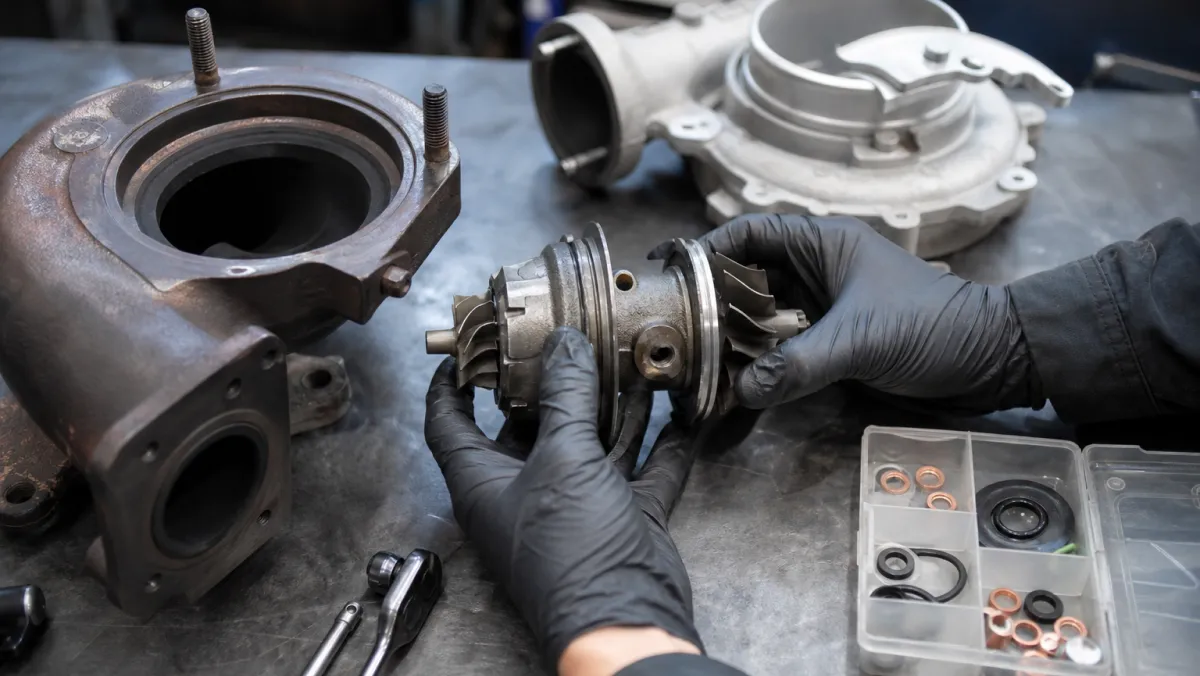
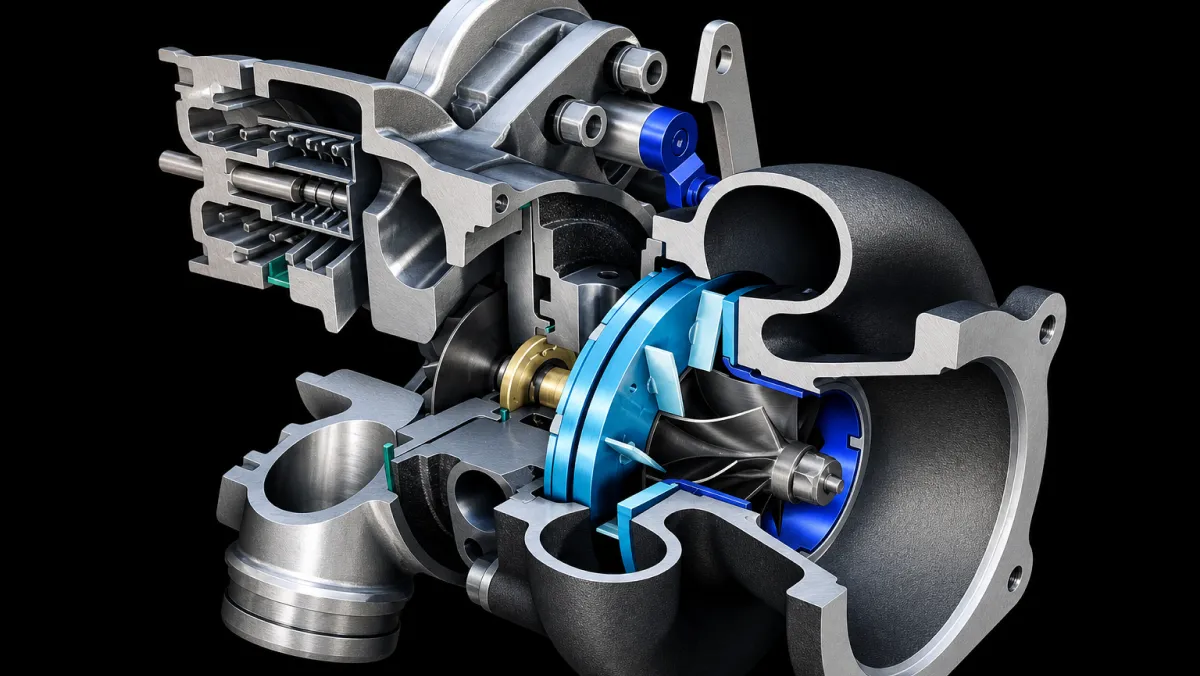
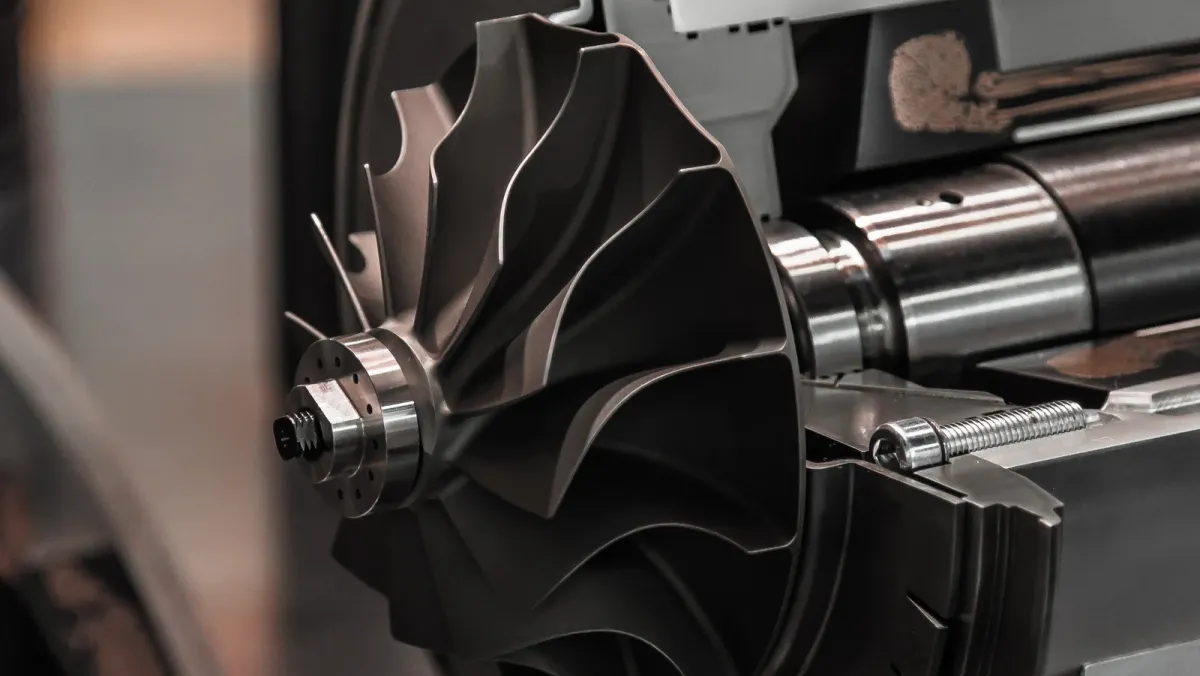
Inside a turbocharger, oil flows through the bearing housing to lubricate the journal bearings and thrust bearing. The back plate (also called seal plate or insert plate) forms the wall between that oily bearing cavity and the clean, pressurized compressor side. A piston ring seal rides in a groove on the shaft and seals against a precision-machined bore in the back plate. The clearance between the ring and the bore is tight enough to block oil but loose enough to allow the shaft to spin at 100,000+ RPM without contact. The plate also retains the thrust bearing stack — it is a structural and sealing component at the same time.

How Back Plates Fail

The sealing surface wears over time from the piston ring riding against it, especially on trucks that run high hours or have marginal oil quality. Heat cycling accelerates the wear. Eventually the bore develops grooves or scoring deep enough that the piston ring can no longer maintain the seal. Oil migrates past the plate into the compressor housing, coats the compressor wheel, and gets pushed into the intake. The truck starts consuming oil and producing blue or white smoke — symptoms that look exactly like a full turbo failure.

Inspecting the Back Plate

  • Remove the compressor housing and compressor wheel to expose the plate.
  • Run a fingernail across the sealing bore — if you can feel grooves or ridges, the surface is scored and the plate needs replacing.
  • Check for heat discoloration (dark spots or rainbow patterns) on the sealing surface.
  • Inspect the piston ring for wear or loss of tension — but remember that a new ring on a scored plate will still leak.
  • While the turbo is apart, check shaft play (radial and axial). If shaft play is within spec, a new plate and seal kit is likely all you need.

Back Plate vs Full CHRA Replacement

This is where the money is. A scored back plate on a turbo with good bearings and a straight shaft does not need a full cartridge rebuild. A new plate and piston ring seal — installed with clean hands and correct torque — restores the oil seal at a fraction of CHRA cost. The key is diagnosis: if shaft play is excessive or the bearings show wear, the plate alone will not fix it. But if the rotating assembly checks out and the plate is scored, replacing the plate is the right call.

Installation Notes

Handle the new plate with clean, oil-free hands — fingerprints on the sealing surface can hold contaminants. Install the new piston ring with the gap positioned per OEM spec (usually opposite the oil drain). Torque the compressor housing bolts evenly in a star pattern to avoid distorting the plate. After reassembly, prime the turbo with oil before starting the engine and let it idle several minutes to establish oil flow through the new seal interface.