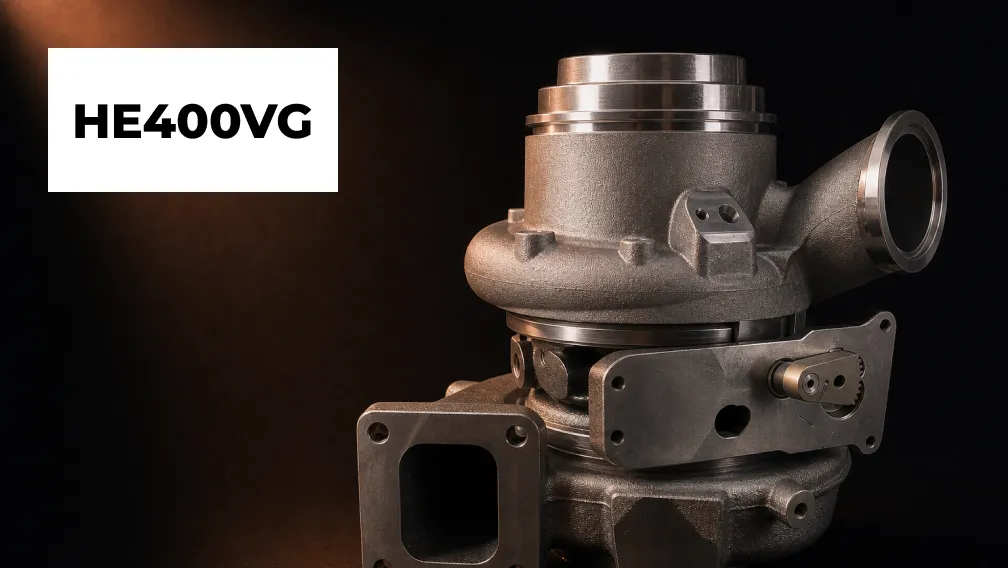
How Turbocharger Remanufacturing Works: Process, Benefits, and Buying Guide
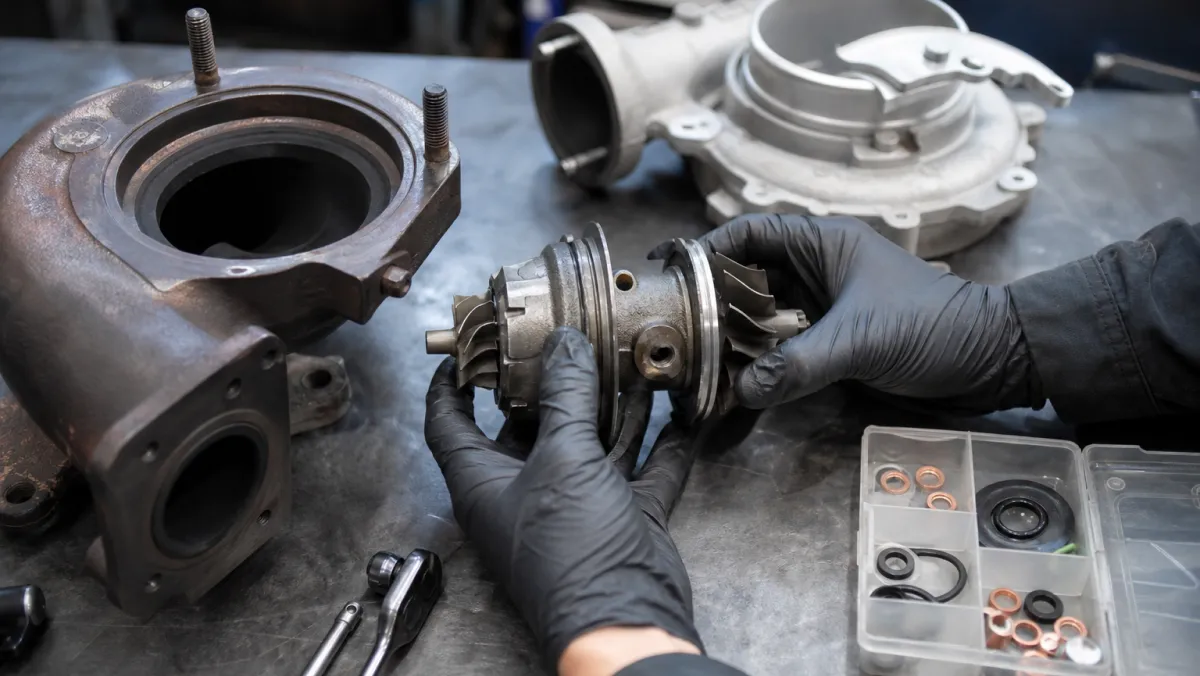
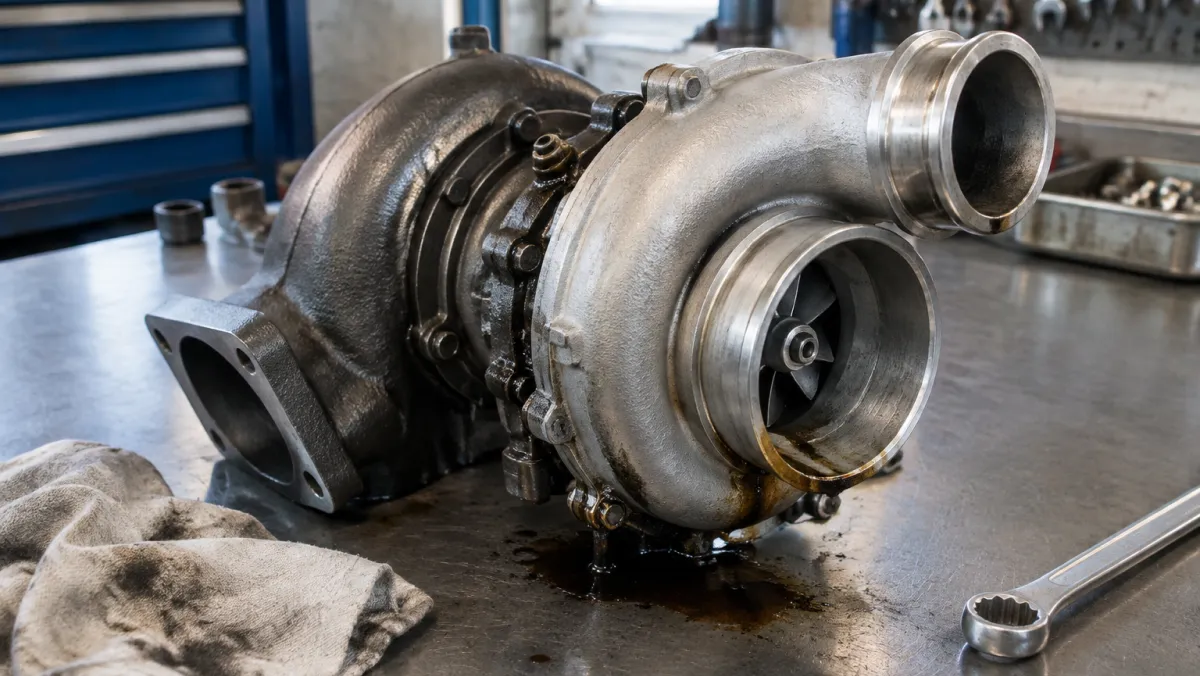
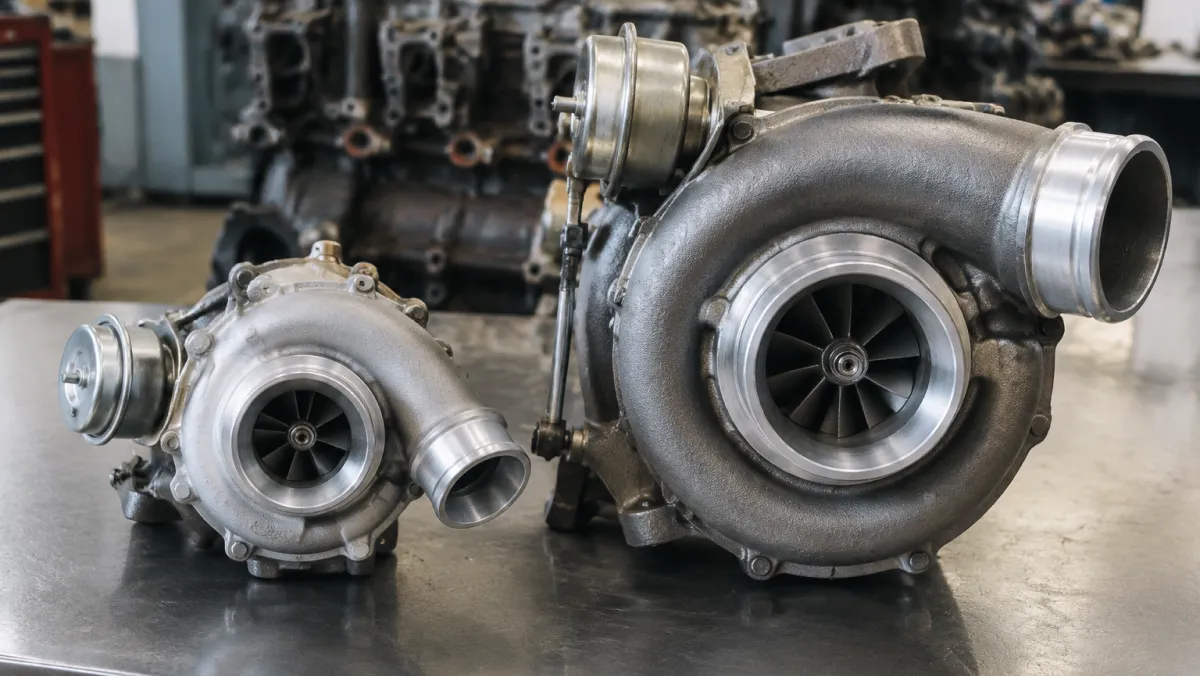
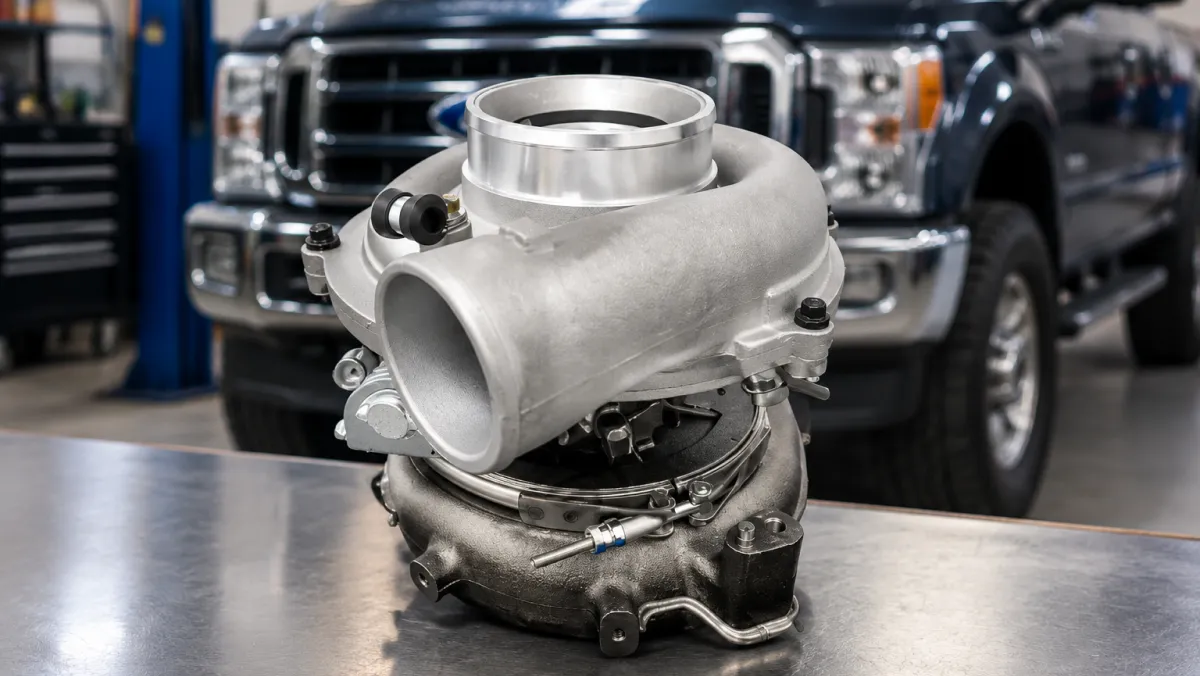
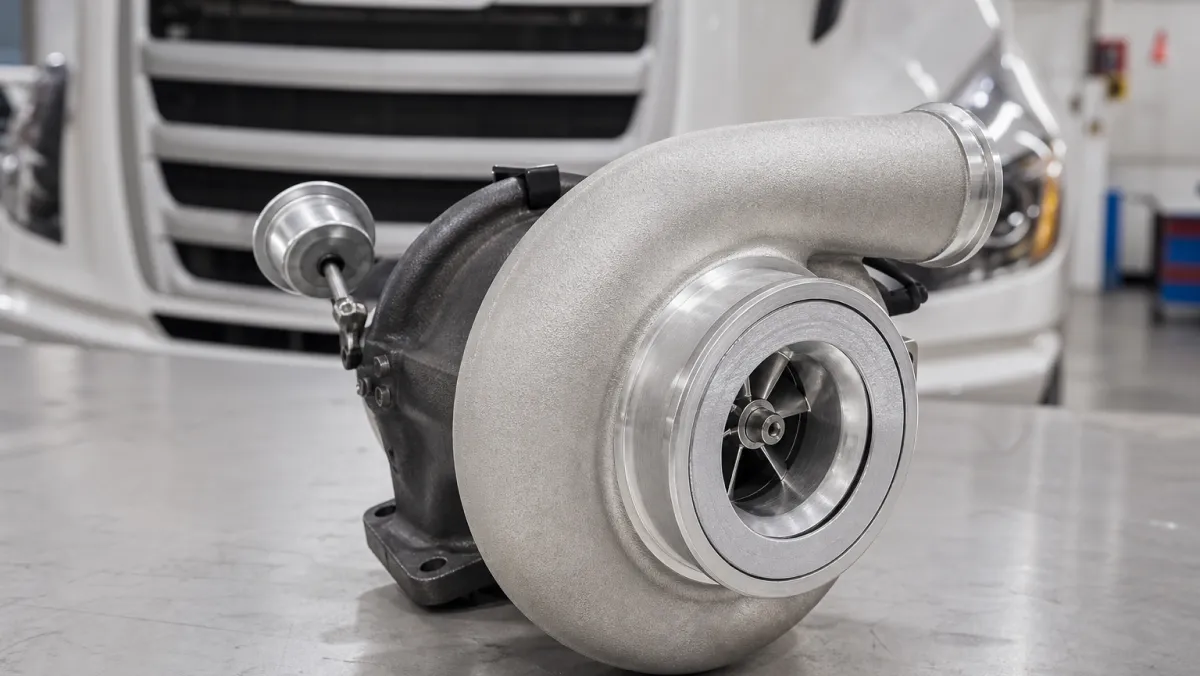
A remanufactured turbocharger is a used turbo that has been fully disassembled, cleaned, measured, rebuilt with new wear parts, balanced at operating speed, and flow-tested to OE specifications. Done properly, it performs like a new unit at 30 to 50 percent of the dealer price. Done badly, it is a used turbo with a coat of paint. The difference is entirely in the process, and that process is what this guide explains. We supply new and remanufactured turbos to distributors and fleets across North America, so we see both ends of the quality range every week. Here is what actually happens inside a real remanufacturing operation, how it compares with rebuilding and buying new, and how to tell a serious supplier from a parts washer.
What Is a Remanufactured Turbocharger?
Remanufacturing is an industrial process, defined by standards bodies like MERA and APRA, that returns a used product to at least its original performance specification, with a warranty equal to new. For a turbocharger, that means every unit is torn down to the last seal ring, every component is measured against OE dimensions, every wear part is replaced with new, and the finished assembly passes the same kind of balancing and flow testing a new turbo receives. The housings and other sound major components are reused, which is where the cost saving and the environmental benefit come from. The buyer receives an "anonymous" exchange unit, and the old turbo goes back as a core to feed the next cycle.
Remanufactured vs Rebuilt vs Repaired vs New
These four terms get mixed up constantly in listings, and the confusion costs buyers money. This is how they actually differ:
| Remanufactured | Rebuilt | Repaired / Cleaned | New | |
|---|---|---|---|---|
| Scope of work | Full teardown, all wear parts replaced, whole unit restored to OE spec | Failed area fixed, often a repair kit or new CHRA in old housings | Single fault fixed, or unit cleaned and resold | All-new components |
| Process | Industrial line with documented steps | Workshop job, varies by shop | Minimal | OE production line |
| Balancing and flow testing | Always, on the finished unit | Sometimes, on the cartridge only | Rarely | Always |
| Typical warranty | Comparable to new (commonly 12 months) | Short, covers the work done | None or 30 days | Full OEM warranty |
| Price vs new OEM | 30-50% less | 50-70% less | Up to 80% less | Benchmark |
The short version: a rebuild fixes what broke, while remanufacturing restores everything. If a listing just says "reconditioned" with no process description and no warranty terms, treat it as a cleaned used part.
How Turbocharger Remanufacturing Works: The 8-Step Process
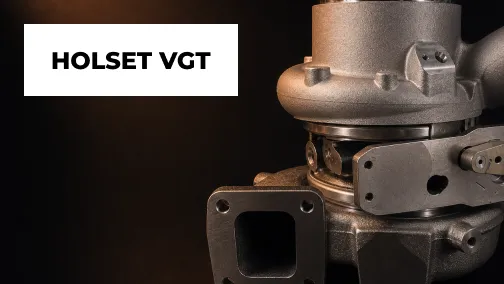
A certified remanufacturing line follows the same sequence for every unit, whether it is a Holset HE400VG off a Cummins X15 or a BorgWarner S400 off a Detroit Series 60.
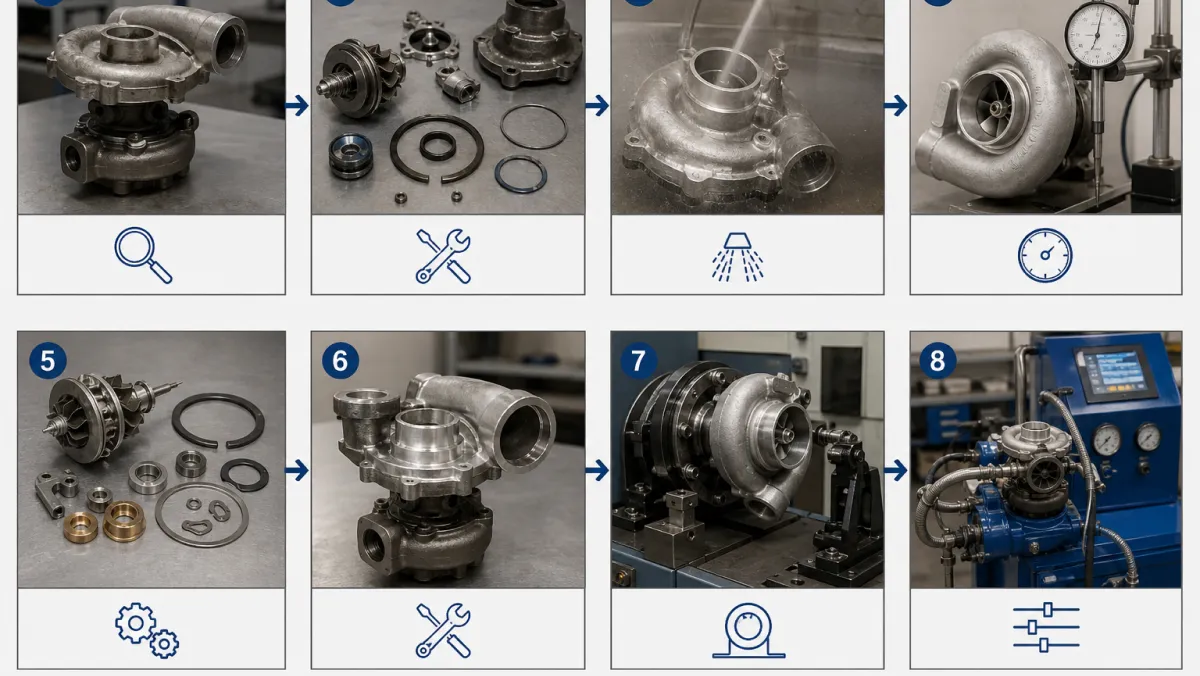
Step 1: Core Inspection and Grading
Every incoming core is inspected before any work starts. Technicians check shaft play, wheel condition, and housing damage to decide whether the core is rebuildable at all. Cores with cracked housings, bent shafts, or severe foreign-object damage are rejected and scrapped for material. This grading step is why reputable remanufacturers enforce core return criteria — a junk core in means a junk unit out.
Step 2: Complete Disassembly
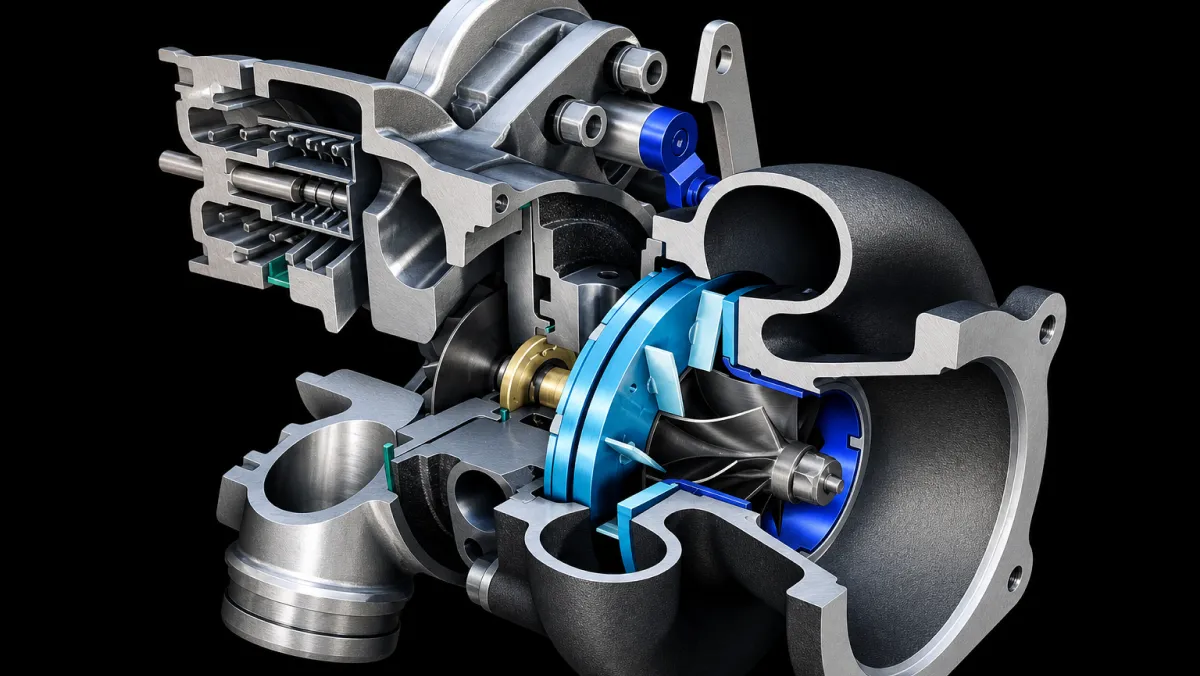
The turbo is separated into compressor housing, turbine housing, and center housing, then stripped down to individual components: shaft and turbine wheel, compressor wheel, bearings, seal rings, thrust parts, VGT vanes and unison ring where fitted. Every part is tagged and logged so the unit's history is traceable.
Step 3: Cleaning
Components go through method-specific cleaning: chemical baths for carbon and oil residue, ultrasonic tanks for small precision parts, and media blasting for cast housings. Cleaning matters beyond cosmetics. Carbon hides cracks, and residue skews measurements, so no reliable inspection can happen before this step.
Step 4: Dimensional Inspection and Testing
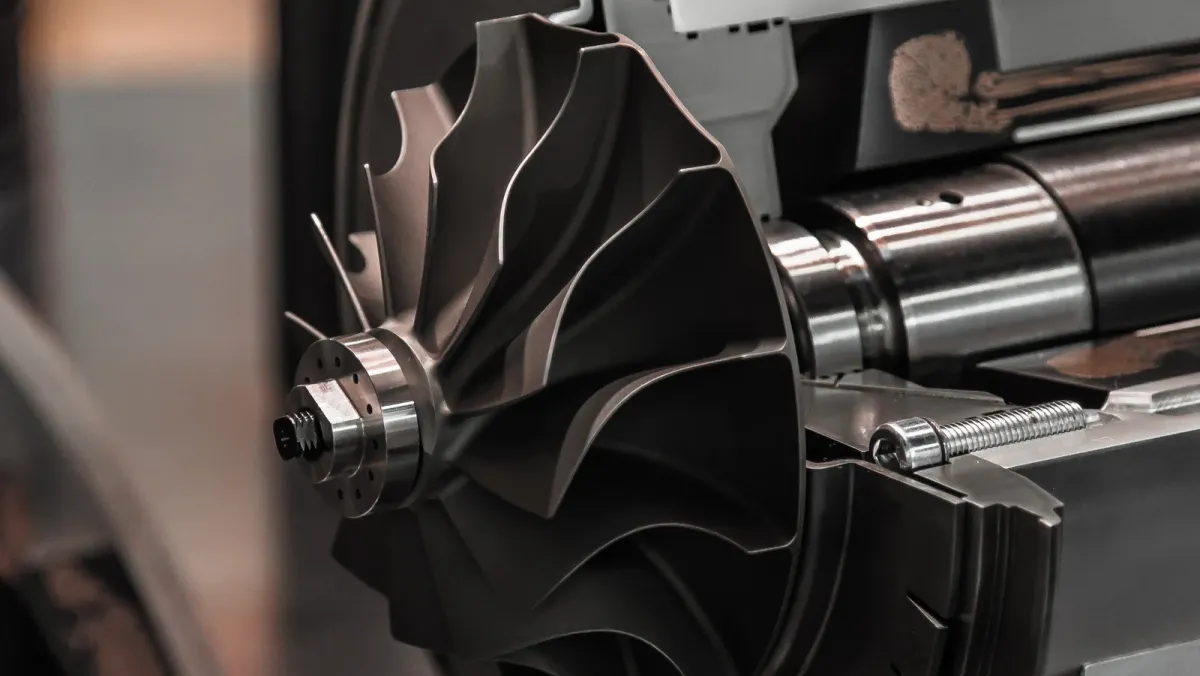
Cleaned parts are measured against OE specifications with micrometers, bore gauges, and crack detection equipment. The turbine shaft is checked for scoring and straightness, wheels for nicks and erosion, housings for warpage and cracks, and the bearing bores for correct diameter. Parts that fail are scrapped. Parts that pass become candidates for reuse.
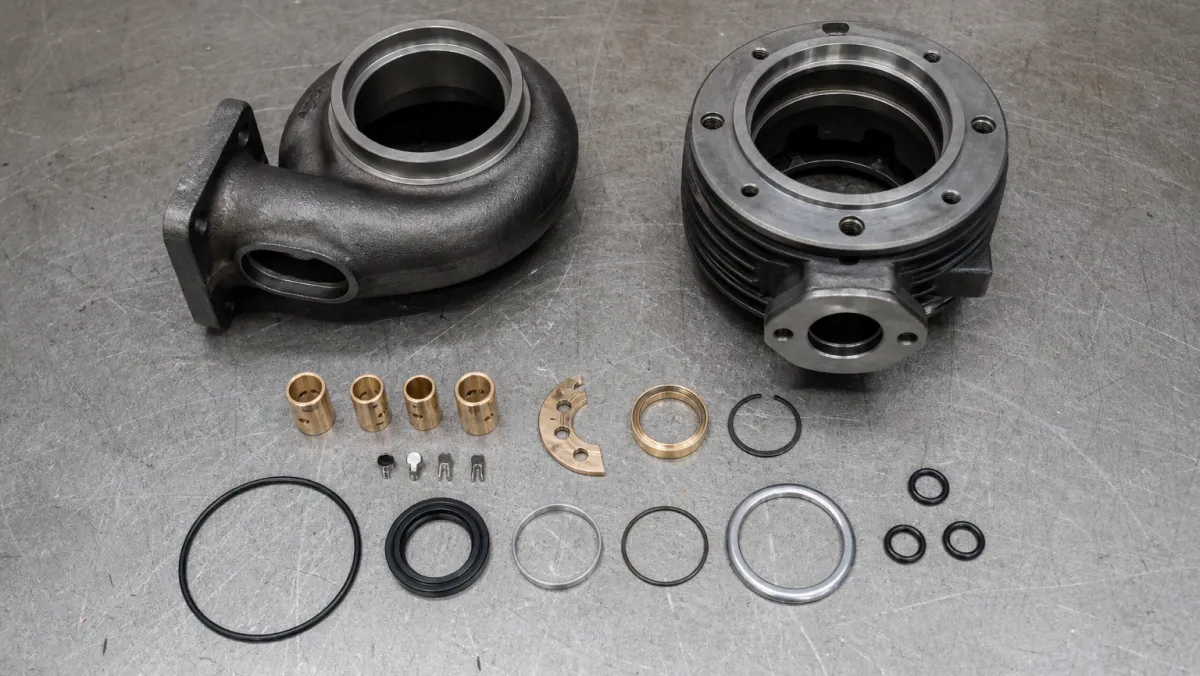
Step 5: Replacement of Wear Components
All wear items are replaced with new parts as a rule, not as an option: journal bearings, thrust bearings, seal rings, O-rings, and gaskets. On high-wear models, many programs also fit new compressor wheels, VGT vane assemblies, or complete new CHRAs. Replacement parts must meet or exceed OE material specifications — Inconel-grade turbine components where the original used them.
Step 6: Precision Reassembly
The unit is reassembled to OE torque and clearance specifications. On a VGT turbo, this includes setting the vane mechanism and checking that the nozzle ring moves freely through its full travel. Small errors here — a dragging unison ring, an over-torqued back plate — become stuck-vane faults a few thousand miles later.
Step 7: High-Speed Balancing
The rotating assembly is balanced twice: component balancing of the shaft-and-wheel group, then VSR (Vibration Sorting Rig) balancing of the assembled core at speeds that simulate real operation, often above 100,000 rpm. VSR balancing is the step that separates genuine remanufacturing from workshop rebuilds, because it catches imbalance that only appears at operating speed. A turbo that skips this step may feel smooth on the bench and still destroy its bearings in service.
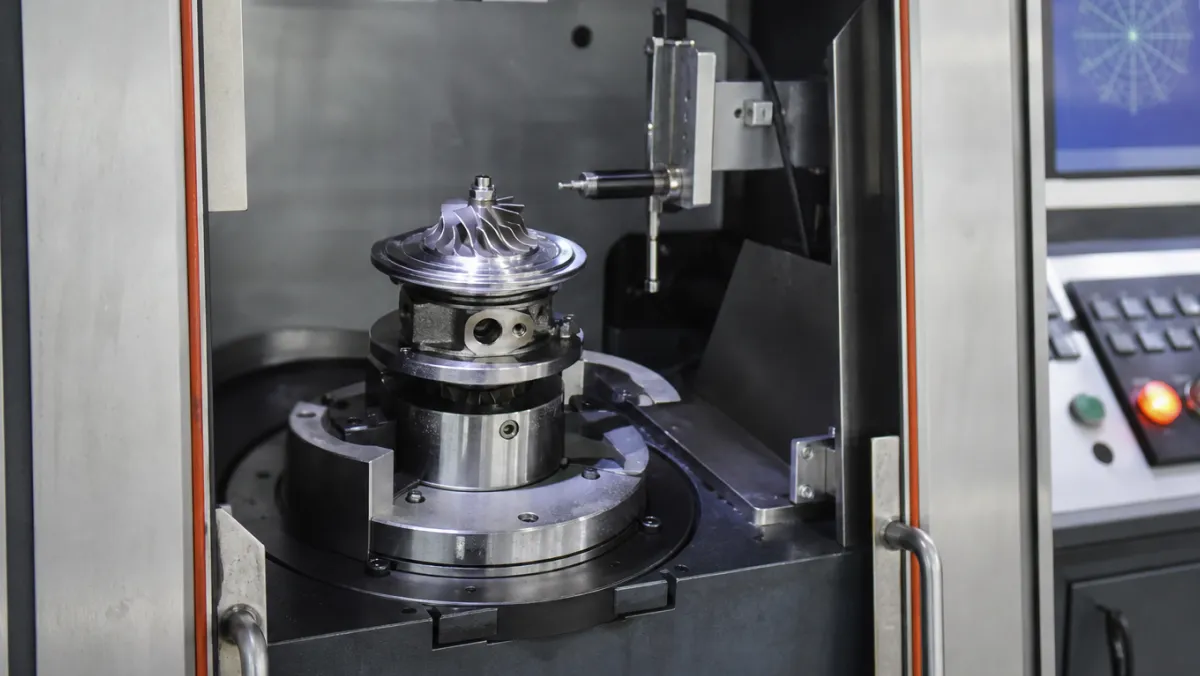
Step 8: Flow Testing, Calibration, and Final QC
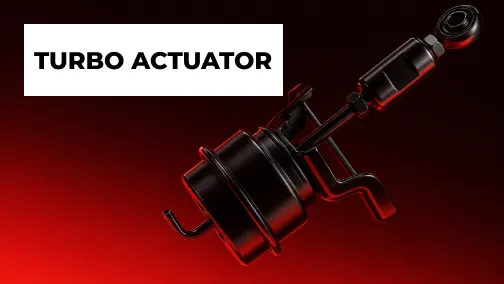
The finished turbo goes to a flow bench to verify boost delivery across its operating range. Wastegate actuators are set to specification, and VGT actuators are electronically calibrated to the unit — on modern Holset VGT models, the actuator and turbo are effectively a matched pair. The unit then gets a final documented inspection, protective packaging, and a serial record of the work performed.
Quality Standards That Separate Real Remanufacturing from a Clean-Up Job
When we evaluate a remanufactured product — our own or anyone else's — these are the questions that matter:
- Were all wear parts replaced with new, or just the visibly broken ones?
- Was the rotating assembly VSR balanced at operating speed, with a recorded result?
- Was the unit flow-tested, and was the VGT actuator calibrated to the turbo?
- Are inspection and test records kept per serial number?
- Is there a written warranty with a defined claim process?
A supplier who can answer all five in detail runs a real process. A supplier who talks about "like-new condition" without specifics is selling cleaned cores. You can read how we handle this on our quality control page.
Cost, Availability, and Sustainability Benefits
The cost case is straightforward. A remanufactured heavy-duty VGT turbo typically runs $2,100 to $3,600, against $6,000 to $10,000 or more for a new OEM unit at a dealership — a saving of 30 to 50 percent for performance built to the same OE specification. Our turbocharger price guide breaks the numbers down by engine platform. Availability is the second advantage: remanufactured programs keep older and discontinued models in supply long after the OEM stops producing new units, which matters for fleets running 10-year-old trucks. The third benefit is material reuse. Remanufacturing keeps the cast housings — the most energy-intensive parts of the turbo — in service, and industry estimates put the energy saving at roughly 80 percent compared with producing a new unit. Core return programs keep this cycle moving, which is why the $400 to $800 core deposit exists.
How to Choose a Reliable Remanufactured Turbo Supplier
Whether you buy one unit for a truck or a pallet for resale, the evaluation is the same:
- Ask about the process, not the adjective. "Remanufactured" means nothing without the eight steps above behind it.
- Check the warranty in writing. Twelve months, unlimited mileage, and a clear claim path is the market standard for serious heavy-duty programs. Ours is published on the warranty and after-sales page.
- Confirm the configuration. Actuator included or not, calibrated or not, gaskets in the box or not.
- Match by OE number. Send the number off the old turbo's nameplate. A good supplier cross-references it against application data before quoting.
- For volume buyers, test the relationship. Start with a mixed trial order, check the paperwork and core handling, then scale. A structured wholesale program with documented QC will outperform a spot-market bargain over any full year of trading.
Get a Quote on Remanufactured or New Turbos
We stock and source both new and remanufactured turbochargers for Cummins, Detroit, PACCAR, Volvo, Mack, Caterpillar, and more, and we will tell you honestly which option makes sense for your application. Send your OE number or engine model through the contact page and we will come back with price, availability, warranty terms, and lead time — usually within one business day.

FAQ
A remanufactured turbocharger is a used turbo that has been completely disassembled, cleaned, inspected, and rebuilt to OE specifications in an industrial process. All wear parts are replaced with new components, the rotating assembly is high-speed balanced, and the finished unit is flow-tested and calibrated like a new turbo. It is sold with a warranty comparable to a new part.
Yes, when they come from a facility that follows the full process: complete disassembly, dimensional inspection against OE specifications, 100% replacement of wear parts, VSR high-speed balancing, and final flow and actuator calibration. A remanufactured turbo built this way delivers service life close to a new unit. Reliability problems almost always trace back to sellers who clean and repaint cores without doing this work.
Remanufacturing is an industrial process that returns the whole unit to OE specification, replacing every wear component and testing the finished turbo like new. Rebuilding usually means repairing one failed area, often just installing a repair kit or a new CHRA in the old housings, without full inspection, balancing, or calibration of the complete assembly. A rebuild fixes what broke; remanufacturing restores everything.
A quality remanufactured turbocharger typically costs 30 to 50 percent less than a new OEM unit. For a heavy-duty VGT turbo, that usually means paying $2,100 to $3,600 instead of $6,000 to $10,000 or more at a dealership, plus a refundable core charge of $400 to $800 that comes back when the old unit is returned.
A properly remanufactured turbocharger should deliver a service life close to that of a new unit, because every wear component inside is new and the assembly is balanced and calibrated to OE specifications. In practice, lifespan depends on the same factors as a new turbo: clean oil, correct installation, and fixing the root cause of the original failure before the replacement goes on.
In a genuine remanufacturing process, all wear items are replaced with new parts as a rule: journal and thrust bearings, seal rings, O-rings, gaskets, and the actuator if it fails test. Shafts, wheels, and housings are reused only after passing dimensional and crack inspection. Many programs also fit new compressor wheels or VGT vane assemblies on high-wear models.
Reputable remanufacturers provide warranties comparable to new units, commonly 12 months with unlimited mileage on heavy-duty applications. The warranty should be stated in writing with a clear claim process. A remanufactured turbo sold without a written warranty is a warning sign about the process behind it.