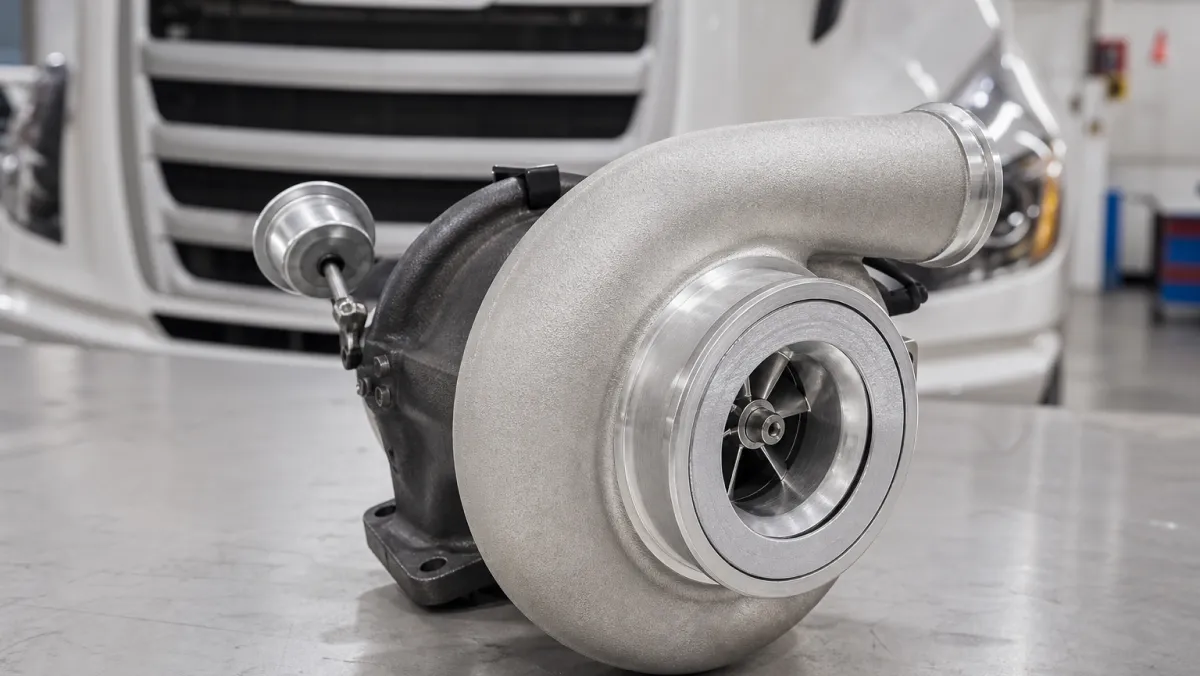
BorgWarner 171702 Turbo: Specs, Fitment, and Buying Tips for Detroit Series 60
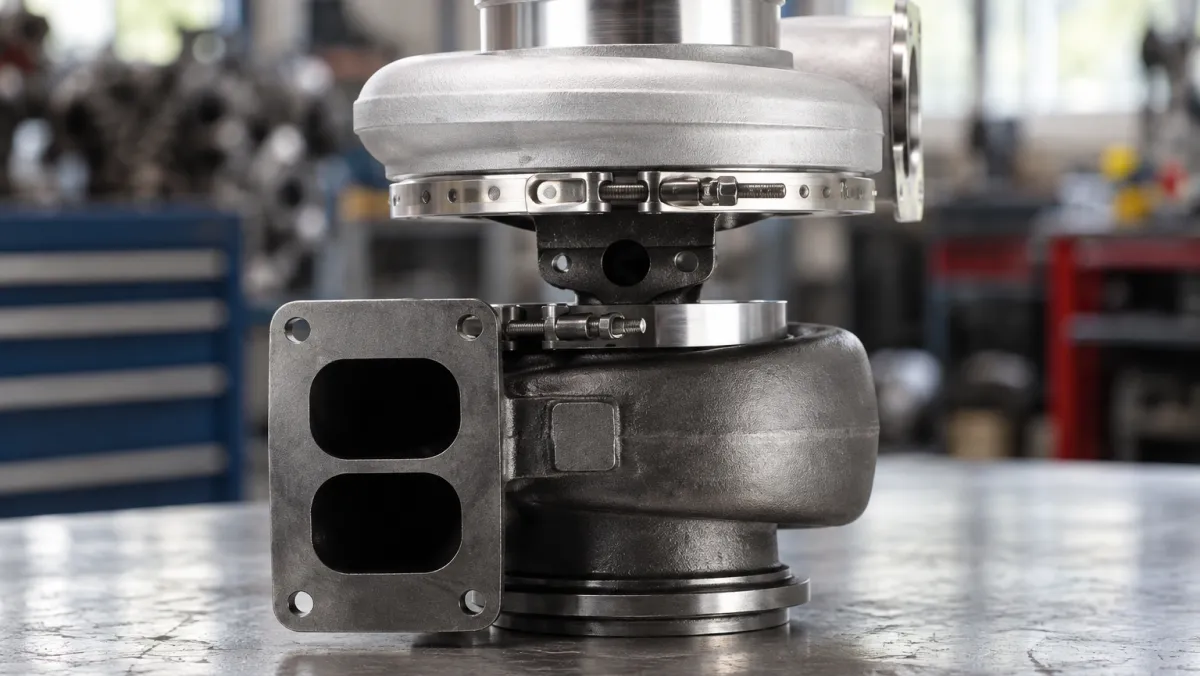
BorgWarner's 171702 is the AirWerks drop-in turbo for the Detroit Series 60 12.7L: a 75mm-class S400SX4 with a T6 twin-scroll, 1.32 A/R turbine housing, rated for 475+ hp applications. Below are the full factory specs, fitment by horsepower rating, a cross-reference to the 171701, and a buyer's checklist for telling new units from remans and copies.
What Is the BorgWarner 171702 Turbo?
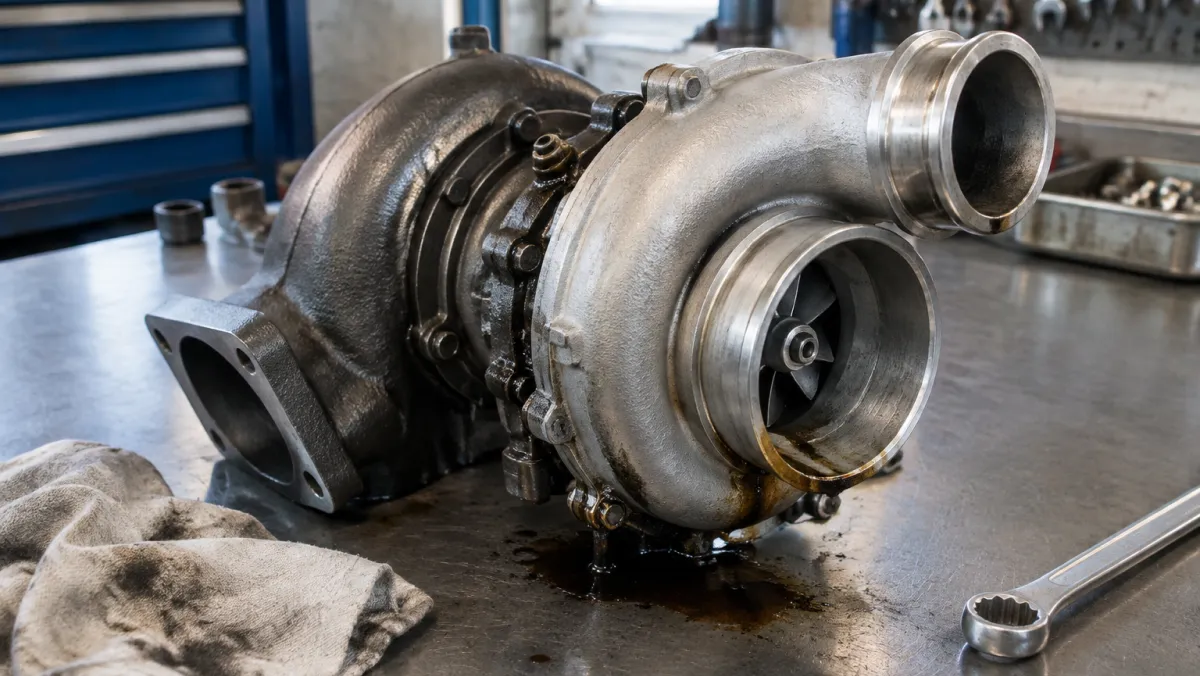
The BorgWarner 171702 is a performance-line replacement turbocharger for Detroit Diesel Series 60 engines — part of BorgWarner's AirWerks range, which is built to bolt on in place of the factory unit without custom fabrication. On the Series 60 it serves two roles: a direct replacement on engines originally rated at 500 to 550 hp, and a popular upgrade on engines that left the factory with a lower rating.
Detroit Diesel produced more than a million Series 60 engines between 1987 and 2011, in 11.1L, 12.7L, and 14.0L displacements with ratings from 330 to 575 hp. That production run is why the 171702 still carries steady search volume years after the engine left production: the trucks are aging, the turbos are wearing out, and the owner or shop doing the work usually has nothing more than a number off a dataplate to shop with.
One naming note, because listings confuse this constantly. S400 is the turbo frame family. S475 describes the 75mm-class compressor trim within that family. S400SX4 is BorgWarner's internal designation for this generation. The 171702 is all three at once — an S400-frame, 75mm-class unit from the SX4 series — so a listing using any of those names may be describing the same turbo, or may be describing something else entirely. The part number is the only identifier that settles it.
171702 Specs: S400SX4 Frame, 75mm Wheel, and HP Rating
BorgWarner's official S400SX4 data sheet gives the following figures for the 171702. These are factory numbers, not marketplace estimates:
| Specification | Value |
|---|---|
| Compressor wheel inducer | 74.56 mm (2.94 in) — the "75mm class" designation |
| Compressor wheel OD | 100.17 mm (3.94 in), extended-tip design |
| Turbine wheel OD / exducer | 95.70 mm / 88.05 mm |
| Turbine housing | T6 twin-scroll, 1.32 A/R |
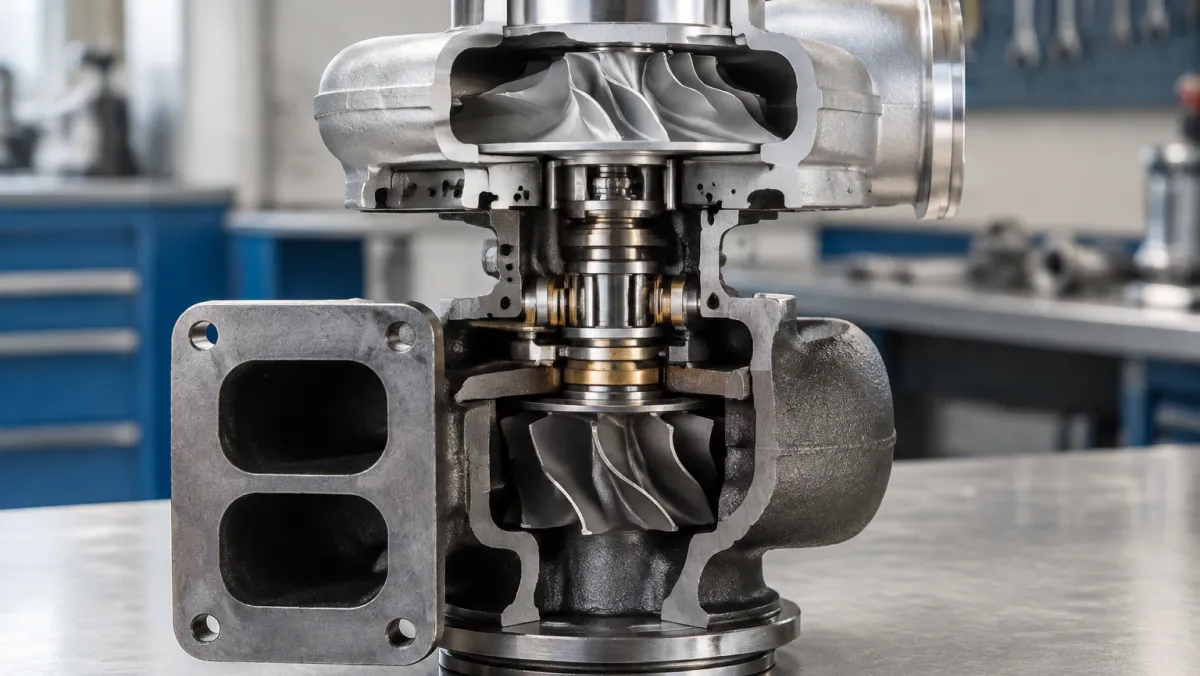
| Bearings | Twin hydrodynamic journal bearings |
| Cartridge assembly (CHRA) | 171703 |
| Standard service kit | 176391 |
Two details in that table do practical work. The extended-tip compressor wheel is what lets the 75mm class move more air than older wheel designs of the same nominal size — it is the reason this frame supports 475+ hp on a 12.7L. And the twin hydrodynamic journal bearings are a durability feature, but they make oil supply and drainage quality non-negotiable; a starved journal bearing fails fast and without warning.
On horsepower: BorgWarner positions this frame in the 500 hp class, and field practice on the Series 60 puts the comfortable working range at 475 to 575 hp. Below that band the turbo still fits physically, but you are leaving response on the table; above it, you are out of the compressor map.
Which Detroit Series 60 Engines Does the 171702 Fit?
The 171702 is primarily a Series 60 12.7L application, concentrated on the pre-EGR engines that make up most of the remaining fleet. How it fits depends on the engine's factory rating:
| Series 60 12.7L rating | Role of the 171702 | Note |
|---|---|---|
| 500 / 550 hp | Direct replacement | Bolts on in place of the original unit; no other changes required |
| 430 / 470 hp | Upgrade | Physically fits; expect modest gains without fuel-system changes |
| 14.0L variants | Not the default match | The 14.0L ran different factory turbos — verify by part number before assuming |
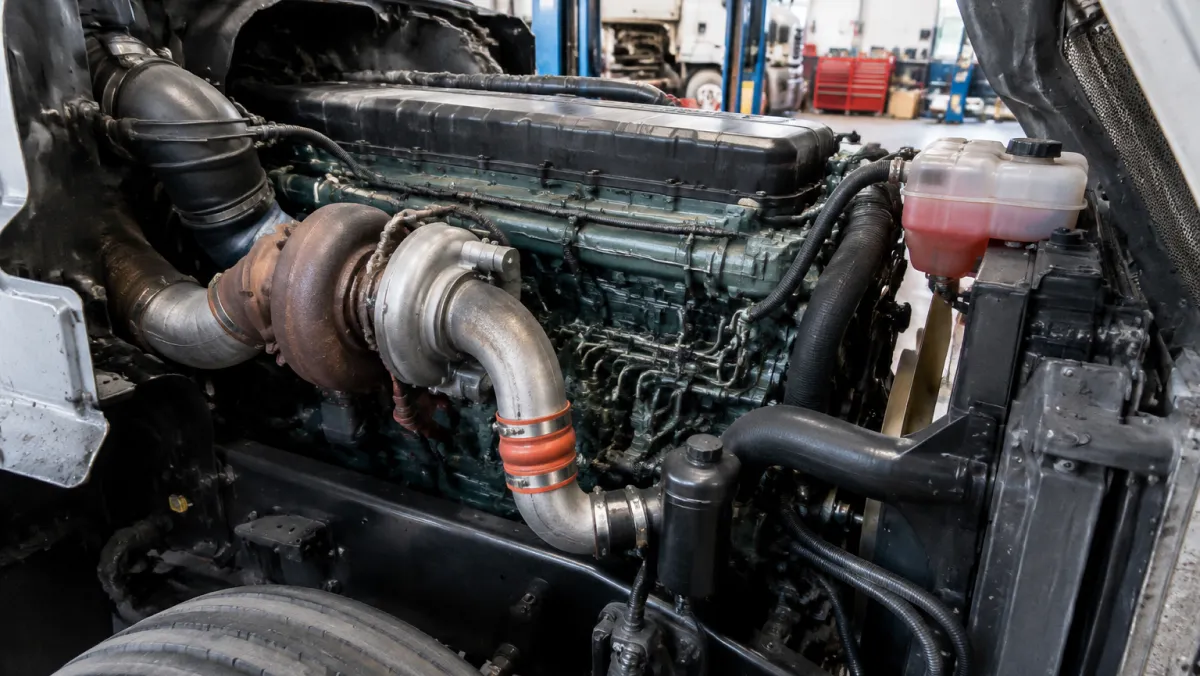
Fitment on a 30-year-old engine family is never a certainty from a catalog row. Detroit changed ratings, manifolds, and plumbing across production years, and plenty of these trucks have been modified since. The reliable path is to match against two identifiers: the part number on the old turbo's dataplate, and the engine serial number. We run both against application data before any order ships — send us the two numbers and the fitment check costs you nothing. For engines outside this turbo's range, the rest of our Detroit turbocharger range covers the DD13, DD15, and other Series 60 variants.
171701 vs 171702 — and Where 171703 Fits In
These three numbers show up together in searches and listings, and they are not interchangeable. The first two are complete turbos; the third is a service part:
| Part number | What it is | Compressor inducer | Series 60 role |
|---|---|---|---|
| 171701 | Complete turbo (S400, 71mm class) | 71.08 mm | Stock replacement at 450-475 hp; also fits some CAT C12 applications |
| 171702 | Complete turbo (S400SX4, 75mm class) | 74.56 mm | Replacement at 500-550 hp; upgrade below that |
| 171703 | Cartridge assembly (CHRA) for the 171702 | — | Repair part, not a complete turbocharger |
Both complete units share the same T6 twin-scroll 1.32 A/R turbine housing, which is why they interchange physically on the manifold — the difference is airflow. Buying a 171701 for a 550 hp engine leaves the engine short of air; buying a 171702 for a 430 hp engine trades away low-rpm response. The 171701 carries its own interchange list (Detroit numbers 23518588, R23515635, R23515636, R23516431, plus 466713-0002 and 2585837C91), which matters because a truck's paperwork often shows the Detroit number rather than the BorgWarner one.
The 171703 deserves one sentence of its own: if a listing offers a "171703 turbo," it is either a cartridge being sold imprecisely or a listing error. A cartridge alone does not bolt to a manifold.
New, Reman, or Copy: How to Tell What You're Buying
Search the part number and you will find the same six digits on a genuine new BorgWarner, a factory reman, an independent rebuild, and unbranded copies — at prices that can differ by a factor of three. Condition, not the part number, is what the price describes. Four checks sort most listings:
- Core charge. A core deposit means remanufactured, full stop. Reman is a legitimate option — a core return is how the reman supply chain works — but the listing should say so plainly. New units carry no core charge.
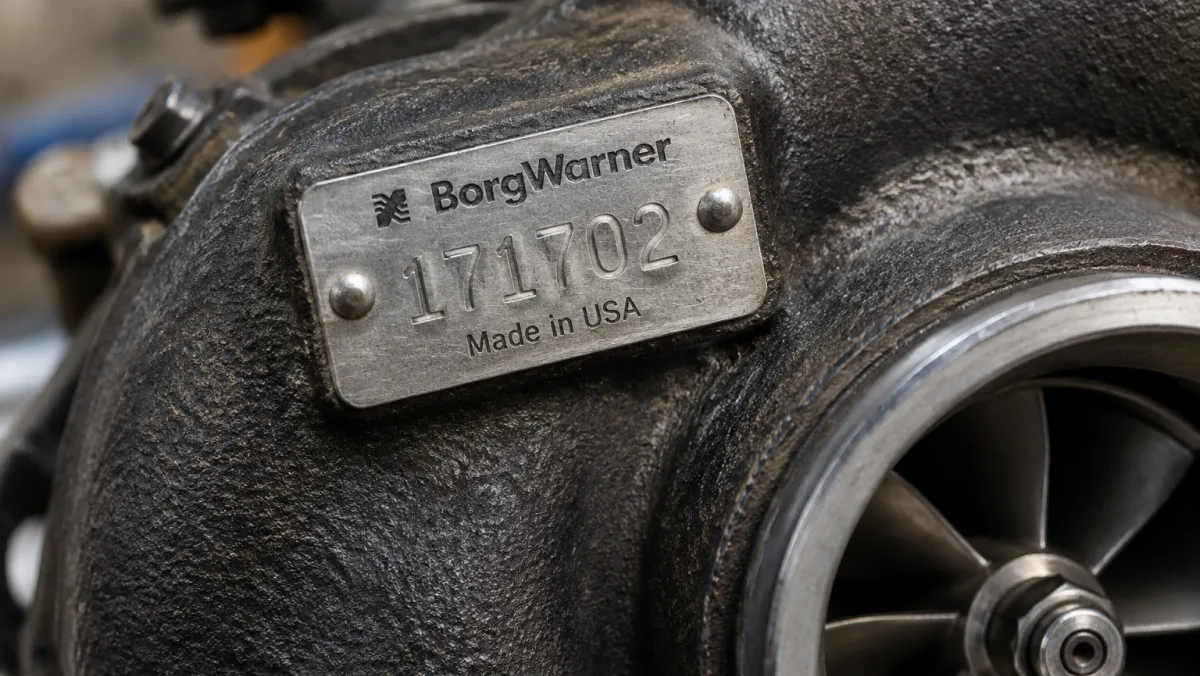
- Dataplate. A genuine unit carries a metal dataplate with the part number and a serial number. Ask for a photo of the plate on the actual unit, not a stock image, and check that the numbers match what you ordered.
- Documentation. New units from legitimate channels come with balance-test or quality documentation; established sellers state their balancing and inspection process. A listing with no process description and no paperwork is telling you something.
- Price floor. When a price sits far below every established seller, the difference is coming from somewhere — usually materials, balancing, or the absence of any real warranty.
Origin alone settles nothing; traceability does. A new unit with a verifiable plate, documented balancing, and a written warranty is a safer buy than a name-brand reman with no paperwork. Warranty terms are the seller's confidence made concrete — read the length and the exclusions before the price.
Signs Your Series 60 Turbo Needs Replacement
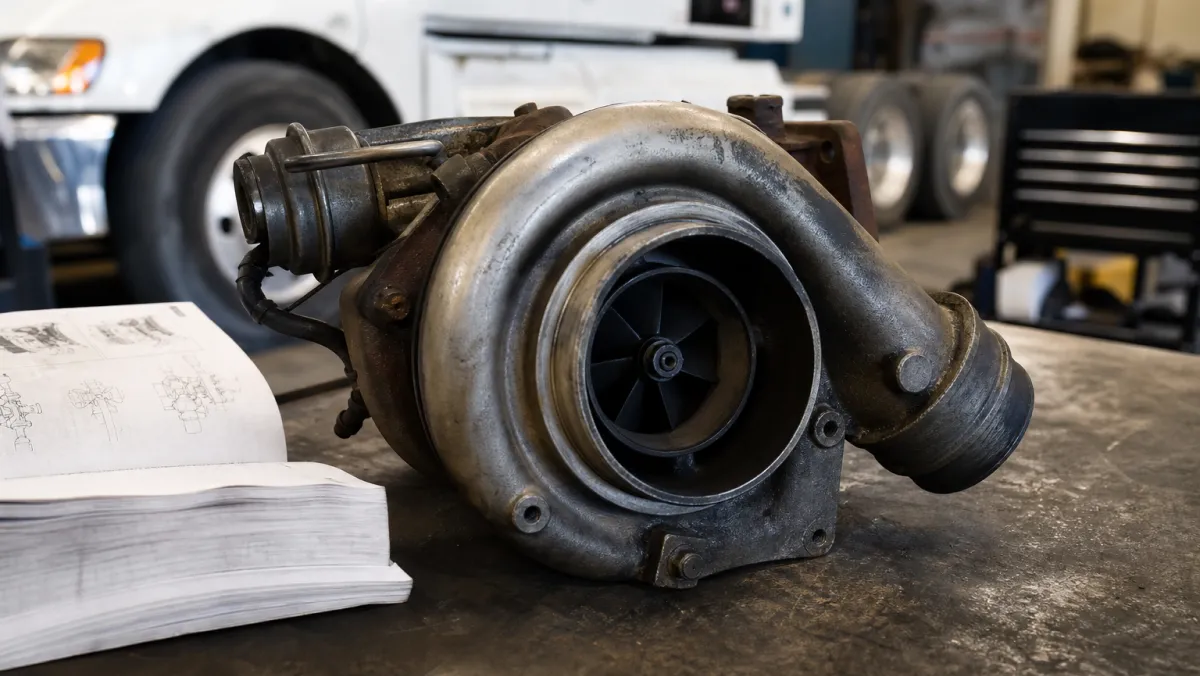
On a working truck, a tired S400 usually announces itself gradually. The symptoms worth acting on:
- Boost pressure trending down on the gauge or in a diagnostic readout, with no intake or charge-air leaks found
- Black smoke under load that was not there before — the engine is getting fuel it has no air to burn
- Oil inside the charge pipes or intercooler — often a drainage or crankcase-pressure problem rather than a failed seal, so diagnose before condemning the turbo; our oil leak diagnosis guide walks that process
- A siren or whine that rises with rpm — bearing wear has a sound, and it does not improve
- Shaft play — slight side-to-side movement is normal on journal bearings; wheel contact with the housing, or real in-and-out movement, is not
- Rising exhaust temperatures under the same load and route
One caution that saves fleets real money: journal-bearing turbos die from oil problems far more often than from old age. If a worn turbo is replaced without fixing a restricted drain line or excessive crankcase pressure, the replacement inherits the same failure. Confirm the oil side is healthy before the new unit goes on — every warranty in this industry, ours included, excludes failures caused by oil starvation or contamination.
Buying a 171702: What to Check Before You Order
The ordering checklist for this part number takes about five minutes:
- Read the dataplate on the old unit. The part number and serial number there outrank any catalog listing or vehicle-year chart.
- Have the engine serial number ready. ESN settles rating and emissions configuration questions that the turbo number alone cannot.
- Confirm the housing. The 171702 ships as a T6 twin-scroll 1.32 A/R; if your truck has been modified, verify the manifold and downpipe match.
- Decide new versus reman deliberately. Reman saves money with a core return; new removes the core hassle and the unknowns of a reused housing.
- Compare warranty in writing. Length, mileage limits, and what the seller requires for a claim.
Our own new 171702 turbocharger sits in US stock: every unit is brand new with all-new components, dynamically balanced, and shipped with gaskets. There is no core charge and no core return, every unit carries a one-year unlimited-mileage warranty, and most orders process within 24 hours. Send us the dataplate number and ESN before you order and we will confirm fitment — that check is free and takes minutes.
FAQ
The questions below cover what Series 60 owners and shops ask most about this part number.

FAQ
On the Series 60 12-7L, the 171702 works comfortably in the 475 to 575 hp range. BorgWarner positions this S400SX4 frame in the 500 hp class; it serves as a direct replacement on engines factory-rated at 500 or 550 hp, and as an upgrade on lower ratings.
In practice, yes — the names describe the same turbo from different angles. S400 is the frame family, S475 refers to the 75mm-class compressor trim, and S400SX4 is BorgWarner's internal series designation. Listings mix the three freely, which is why the part number is the only reliable identifier.
Both are complete S400-frame turbos sharing the same T6 twin-scroll 1-32 A/R turbine housing; the difference is the compressor wheel. The 171701 uses a 71-08mm inducer for 450-475 hp stock replacement, while the 171702 uses a 74-56mm inducer for 475+ hp. A related number, 171703, is the cartridge assembly (CHRA) for the 171702 — a service part, not a complete turbo.
It fits the Series 60 12-7L, concentrated on pre-EGR production years, as a direct replacement at 500-550 hp factory ratings and an upgrade for lower-rated engines. The 14-0L variants ran different factory turbos. Because Detroit changed configurations across production years, confirm with the dataplate number off the old turbo plus the engine serial number before ordering.
On 12-7L engines originally rated at 500 or 550 hp, yes — the AirWerks line is designed to bolt on in place of the factory unit with no fabrication. On lower-rated engines it physically fits as an upgrade, but gains are limited without supporting fuel-system changes, and modified trucks should verify manifold and downpipe compatibility first.
Ask for a photo of the metal dataplate on the actual unit and verify the part and serial numbers; look for documented balancing or quality testing; and treat a price far below established sellers as a warning sign. A core charge in the listing indicates a remanufactured unit, which is legitimate as long as it is disclosed. Traceability and written warranty terms matter more than where a unit was made.
No. Core charges belong to remanufactured programs, where your old unit is the raw material. A brand-new turbocharger — ours included — sells outright with no core deposit and nothing to ship back.