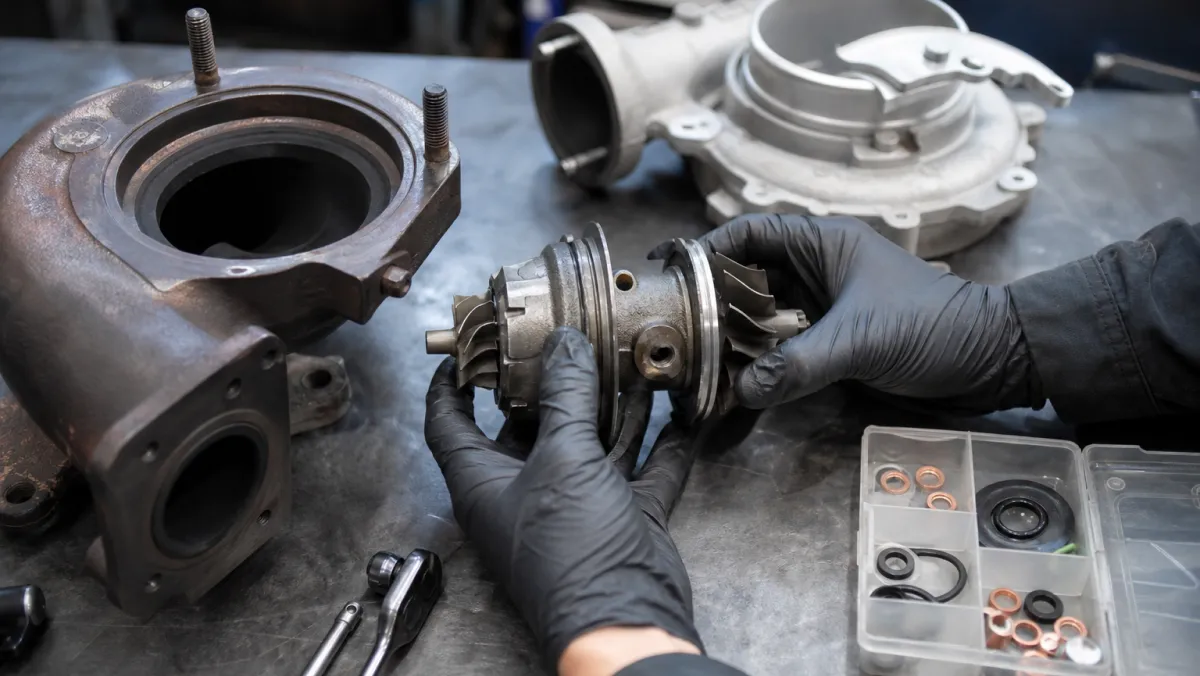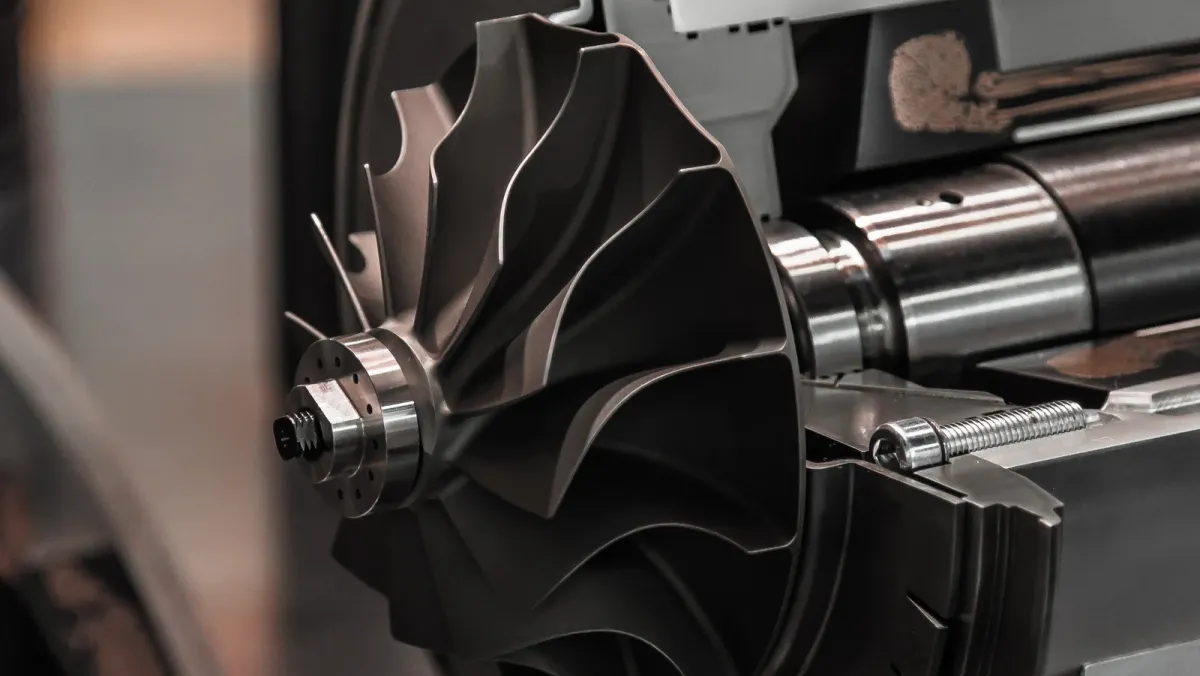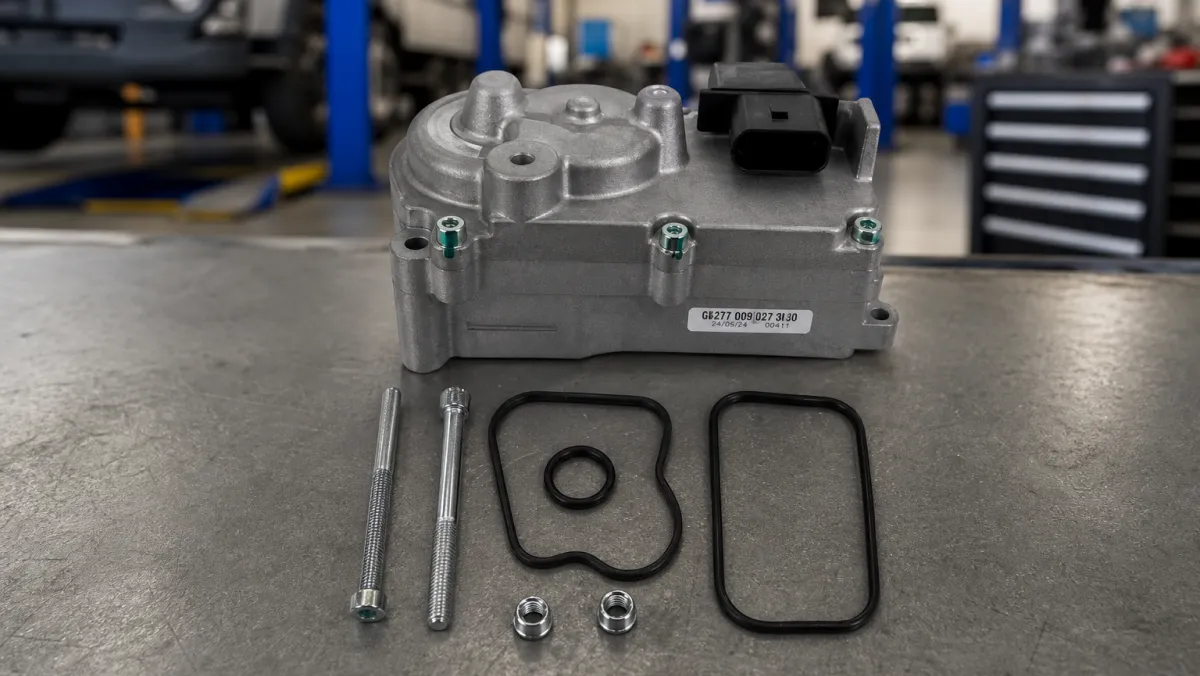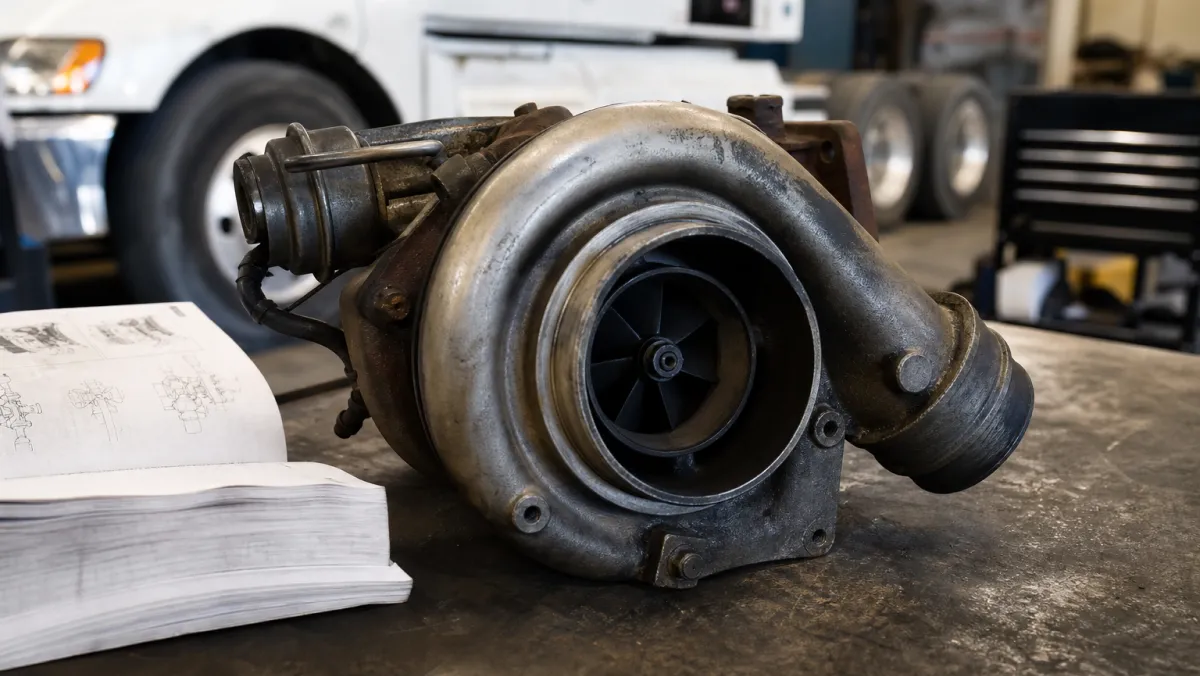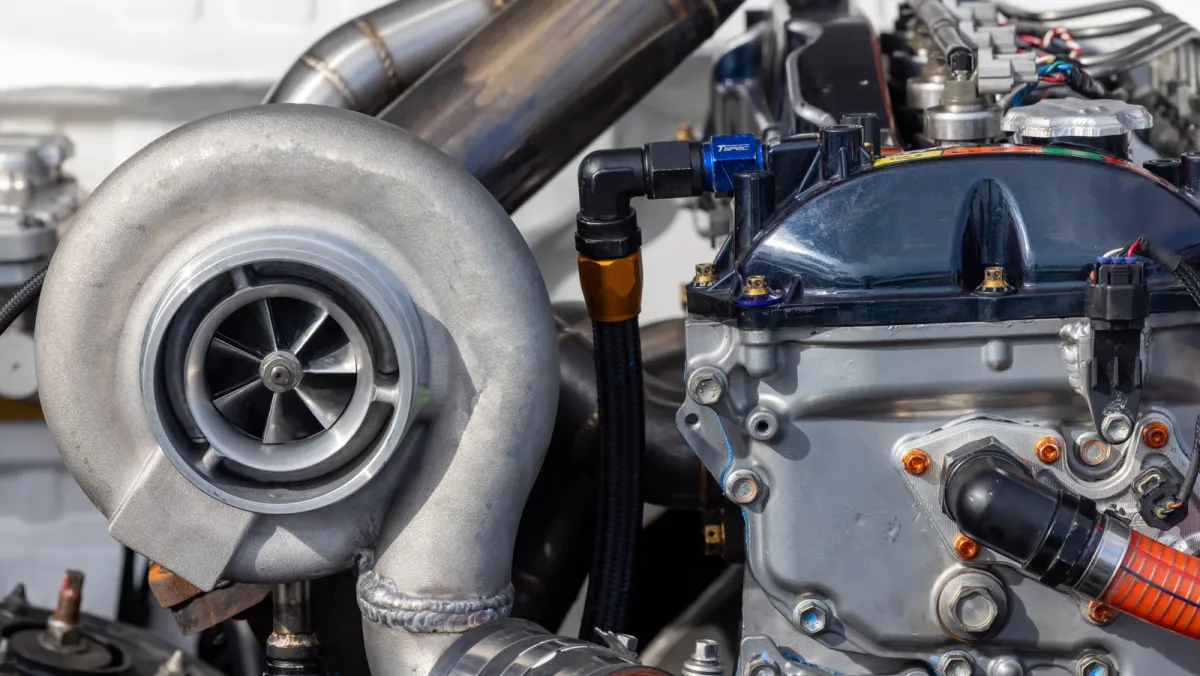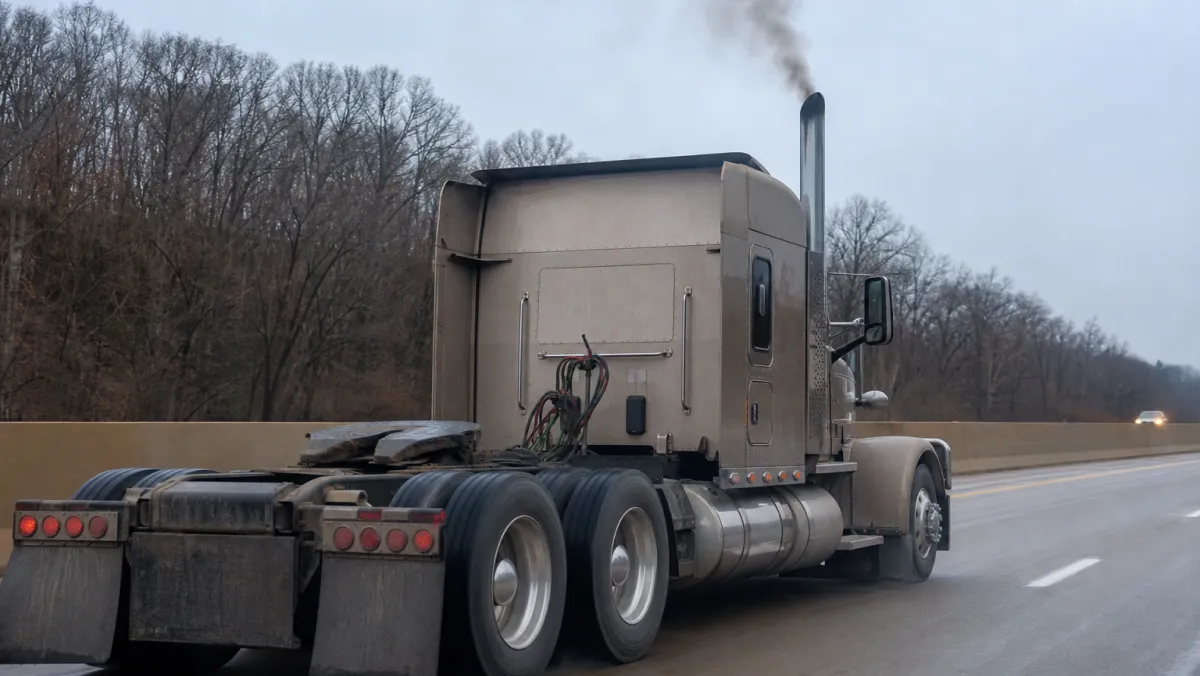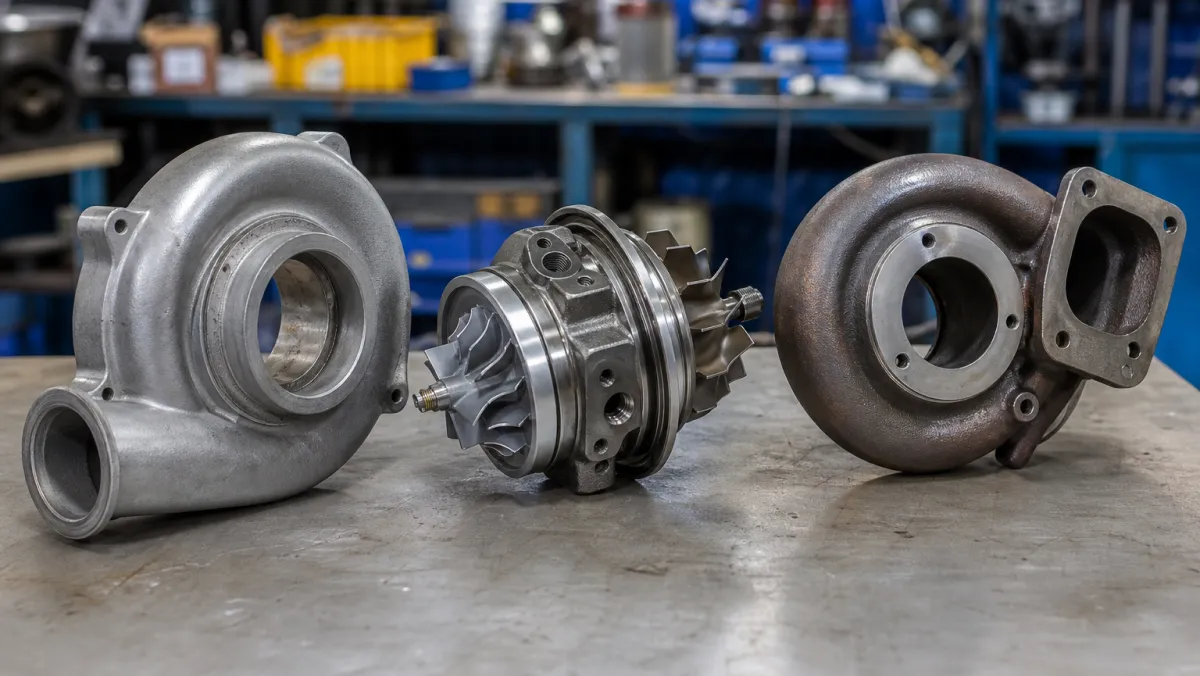
Brand new turbo turbine housings for diesel turbocharger rebuilds and replacements supplied by UPAPSI

Turbo Turbine Housings

New Replacement Turbine Housings for Holset, Garrett and BorgWarner Turbochargers

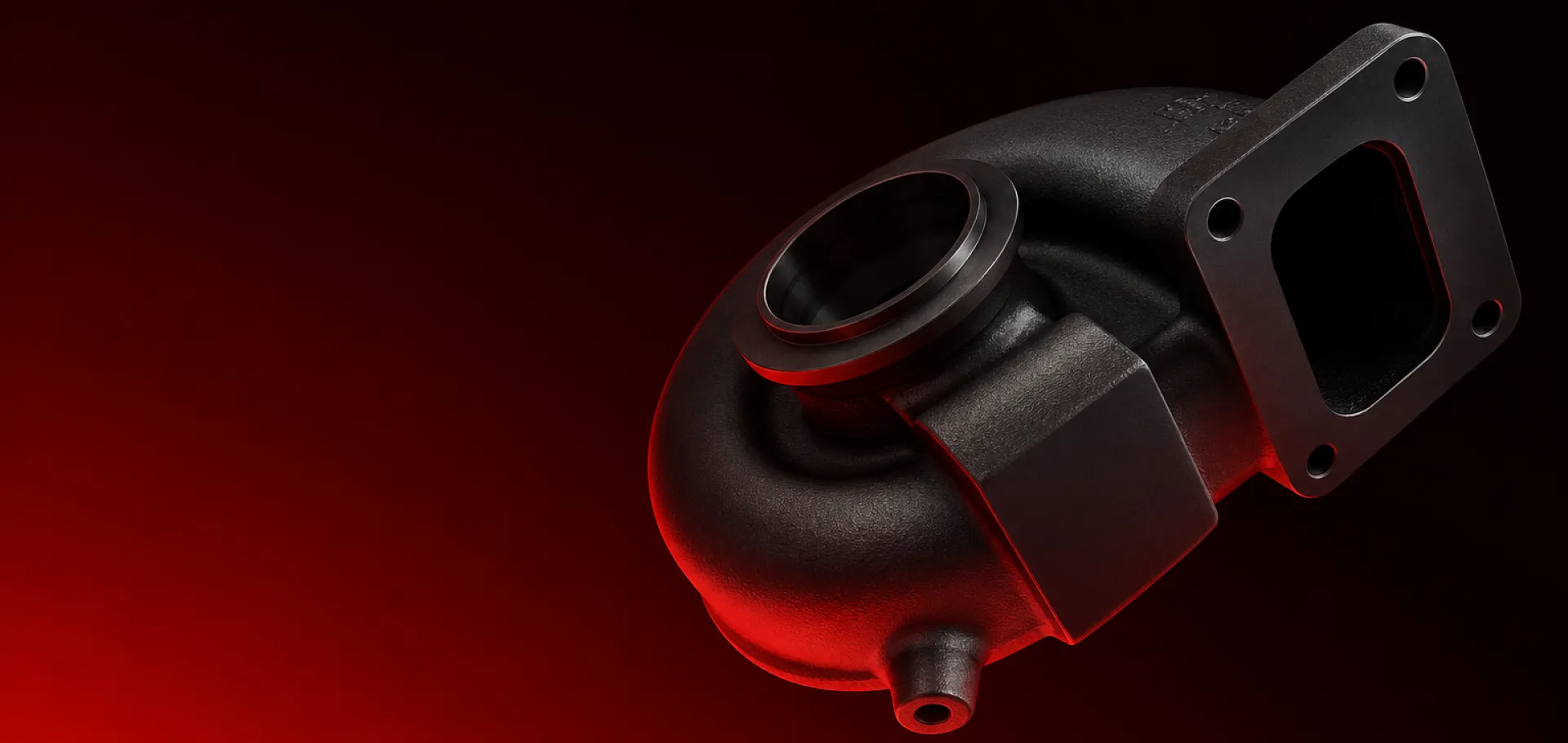
The turbine housing is the hot-side shell of the turbocharger — it receives exhaust gas from the engine manifold, directs it through the turbine wheel at controlled velocity, and discharges it to the downpipe. It operates at sustained temperatures exceeding 700°C and endures constant thermal cycling. Over time, the housing cracks from thermal fatigue, corrodes from exhaust chemistry, or warps at the manifold flange. We stock brand new turbine housings for Holset, Garrett and BorgWarner turbochargers covering Cummins, CAT, Detroit, Ford and other diesel platforms. Each housing is manufactured from high-temperature cast iron or nickel-resist alloy and matched by turbo model, A/R ratio and flange type. US stock, no core charge.

  • 100% Brand New
  • OEM-Spec Quality
  • High-Temperature Alloy
  • US Stock, Fast Dispatch
  • Direct-Fit Replacement
  • 1-Year Warranty
  • No Core Charge

High-Temperature Castings That Cannot Be Welded Back to Spec

A cracked or warped turbine housing cannot be welded or resurfaced to reliable standards — the casting is compromised and the exhaust leak will return. A new housing is the only correct fix. We stock housings matched by turbo model, A/R ratio and flange configuration so the hot side of the rebuild meets the same specs as the original.

High-Temperature Cast Iron and Ni-Resist Alloy

Turbine housings operate in the harshest environment in the turbocharger — sustained exhaust heat, rapid thermal cycling, and corrosive exhaust chemistry. Our housings are cast from the same high-temperature alloys (ductile iron, Ni-Resist) used in OEM production, rated for continuous service at operating exhaust temperatures.

Cracks Cannot Be Reliably Welded

The turbine housing defines the turbo's exhaust-side behavior through its A/R (area-to-radius) ratio and flange type (T3, T4, T6, V-band, etc.). We match by turbo model, A/R ratio and inlet/outlet flange configuration to ensure the replacement housing delivers the same exhaust flow characteristics as the original.

Matched by Turbo Model, A/R and Flange

Welding a cracked turbine housing is a temporary fix — the thermal stress that caused the original crack will crack the weld. Resurfacing a warped flange removes material and changes the geometry. A new housing is the only path to a reliable, long-term repair.

VGT and Fixed-Geometry Configurations

When the CHRA and compressor housing are in spec, replacing only the turbine housing costs a fraction of a complete turbo. The hot side takes the worst abuse; the cold side often outlasts it by years.

The Hot Side Takes the Worst Abuse

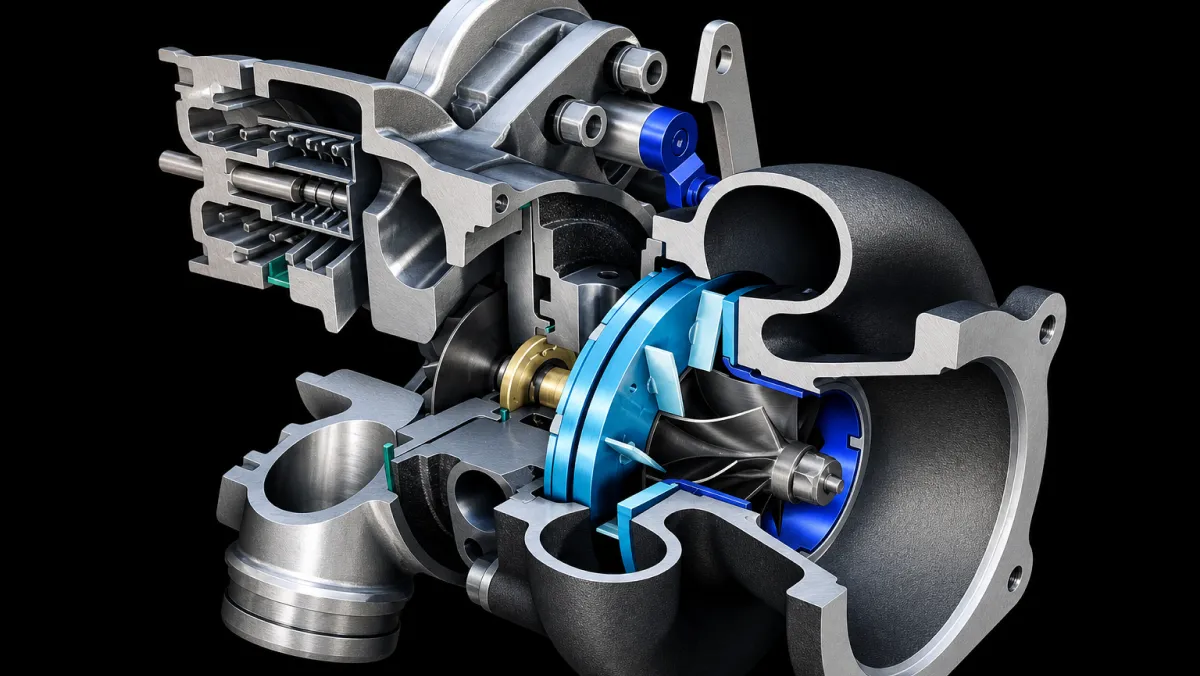
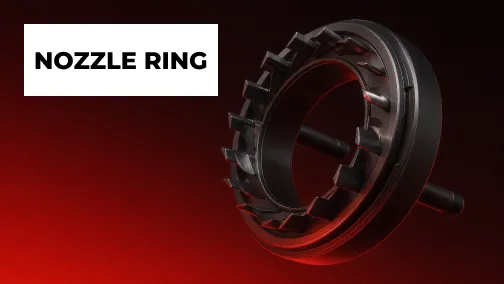
We stock turbine housings for both VGT turbochargers (with nozzle ring cavity) and fixed-geometry turbochargers (with wastegate port). The internal geometry differs between these designs — order the type that matches your turbo.

Rebuild-Shop Sourcing for Individual Components

One-year warranty on every turbine housing. See the warranty page.

High-Temperature Cast Iron and Ni-Resist Alloy

Turbine housings operate in the harshest environment in the turbocharger — sustained exhaust heat, rapid thermal cycling, and corrosive exhaust chemistry. Our housings are cast from the same high-temperature alloys (ductile iron, Ni-Resist) used in OEM production, rated for continuous service at operating exhaust temperatures.

Cracks Cannot Be Reliably Welded

The turbine housing defines the turbo's exhaust-side behavior through its A/R (area-to-radius) ratio and flange type (T3, T4, T6, V-band, etc.). We match by turbo model, A/R ratio and inlet/outlet flange configuration to ensure the replacement housing delivers the same exhaust flow characteristics as the original.

Matched by Turbo Model, A/R and Flange

Welding a cracked turbine housing is a temporary fix — the thermal stress that caused the original crack will crack the weld. Resurfacing a warped flange removes material and changes the geometry. A new housing is the only path to a reliable, long-term repair.

VGT and Fixed-Geometry Configurations

When the CHRA and compressor housing are in spec, replacing only the turbine housing costs a fraction of a complete turbo. The hot side takes the worst abuse; the cold side often outlasts it by years.

The Hot Side Takes the Worst Abuse

We stock turbine housings for both VGT turbochargers (with nozzle ring cavity) and fixed-geometry turbochargers (with wastegate port). The internal geometry differs between these designs — order the type that matches your turbo.

Rebuild-Shop Sourcing for Individual Components

One-year warranty on every turbine housing. See the warranty page.

The right hot-side housing, matched to your turbo rebuild

WHY CHOOSE US

The right hot-side housing, matched to your turbo rebuild

We verify turbo model, A/R ratio and flange type before dispatch. Turbine housings are heavy and expensive to ship wrong — we get it right the first time. More about our company and quality process.

FAQ

Replace the turbine housing when it shows cracks (especially around the volute tongue, wastegate port, or manifold flange), warping at the manifold flange surface (causing exhaust leaks that cannot be sealed with a new gasket), severe internal erosion from exhaust flow, or corrosion that has compromised the casting wall thickness.

Not reliably. Turbine housings crack from thermal fatigue — the same stress cycle that cracked the original casting will crack the weld repair, often within months. A welded housing also changes the internal geometry slightly, which can affect exhaust flow and turbo performance. A new housing is the correct repair.

A/R (area-to-radius) is a ratio that describes the volute geometry of the turbine housing. It determines how the housing converts exhaust pressure into velocity at the turbine wheel. Lower A/R means faster spool and more backpressure; higher A/R means more top-end flow with slower spool. The A/R must match the original housing specification for the turbo to perform as designed.

By turbo model, A/R ratio and flange type. The turbo model identifies the housing family; the A/R and flange configuration identify the specific variant. The part number on the original housing or the turbo's dataplate is the most reliable match.

All units are 100% brand new. High-temperature alloy castings, OEM-spec dimensions. One-year warranty.

Yes. Turbo rebuild shops order turbine housings as needed. Consistent wholesale pricing from US stock. See the wholesale page.

Turbo Turbine Housing Guide

The turbine housing is the most thermally stressed component in the turbocharger. Understanding its role, failure modes, and replacement criteria helps rebuild shops make the right sourcing decision.

What the Turbine Housing Does

The turbine housing collects exhaust gas from the engine manifold and accelerates it through a volute (scroll) onto the turbine wheel blades. The volute geometry — specifically the A/R ratio — controls how much of the exhaust energy is converted to velocity versus pressure. After passing through the turbine wheel, the spent exhaust exits through the discharge flange to the downpipe and exhaust system.

Why Turbine Housings Crack

Every engine start-shutdown cycle thermally loads the turbine housing — the casting heats rapidly to operating temperature and then cools when the engine shuts down. This expansion-contraction cycle induces stress in the casting, particularly at geometric transitions (the volute tongue, the wastegate bore, the manifold flange bolt holes). After thousands of cycles, fatigue cracks initiate at these stress concentrations. Heavy-duty trucks that run continuous duty cycles (long-haul) stress the housing differently than trucks with frequent start-stop cycles (vocational, delivery) — but both patterns eventually produce cracks.

Twin-Scroll vs Single-Scroll Turbine Housings

A single-scroll housing has one continuous volute chamber. A twin-scroll (divided) housing has two separate passages that keep exhaust pulses from interfering with each other — this improves energy delivery to the turbine wheel, especially on engines with unfavorable firing orders. The turbo model determines which type is used; they are not interchangeable on the same turbo.