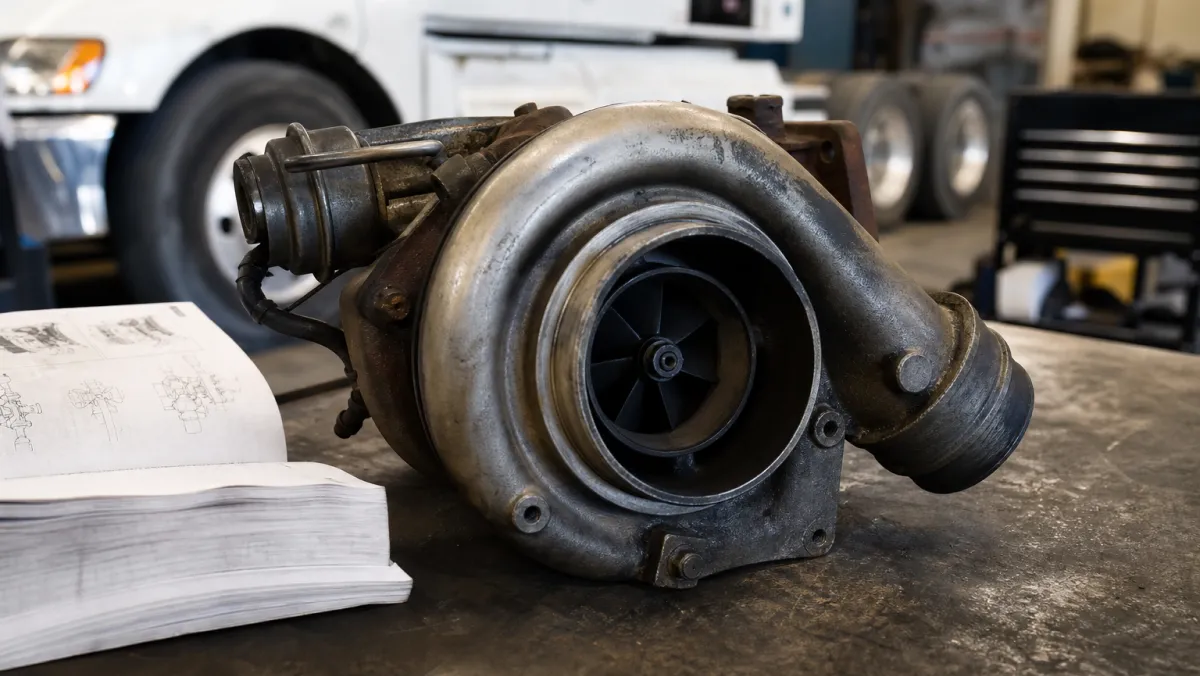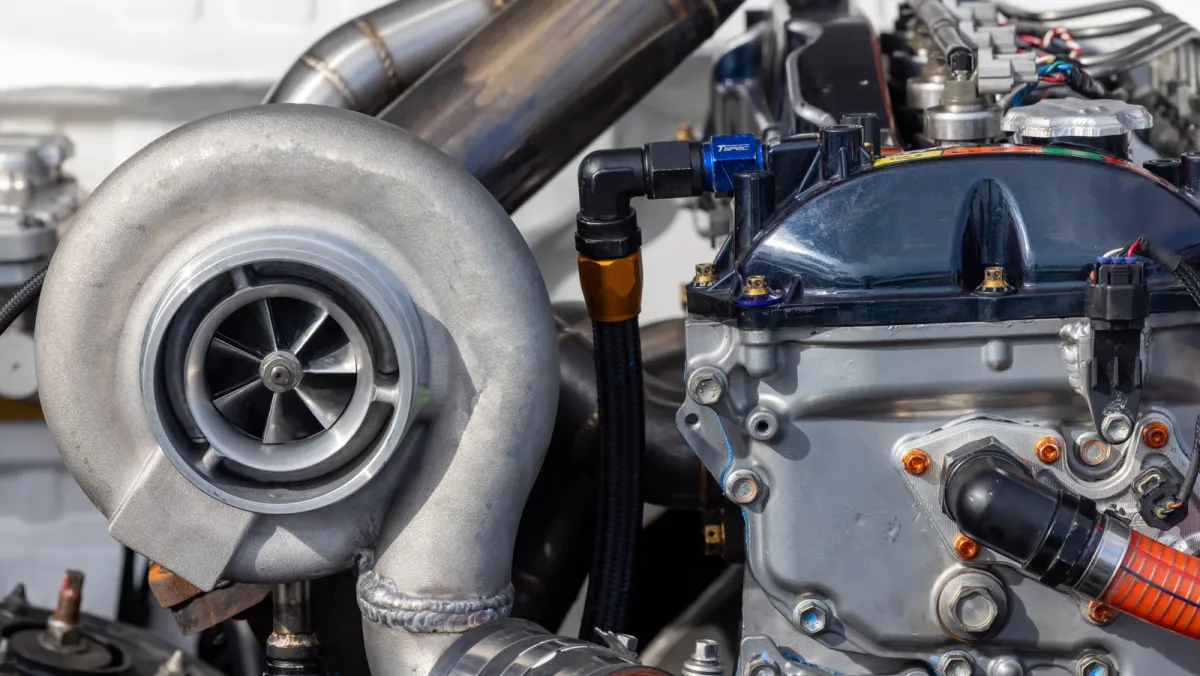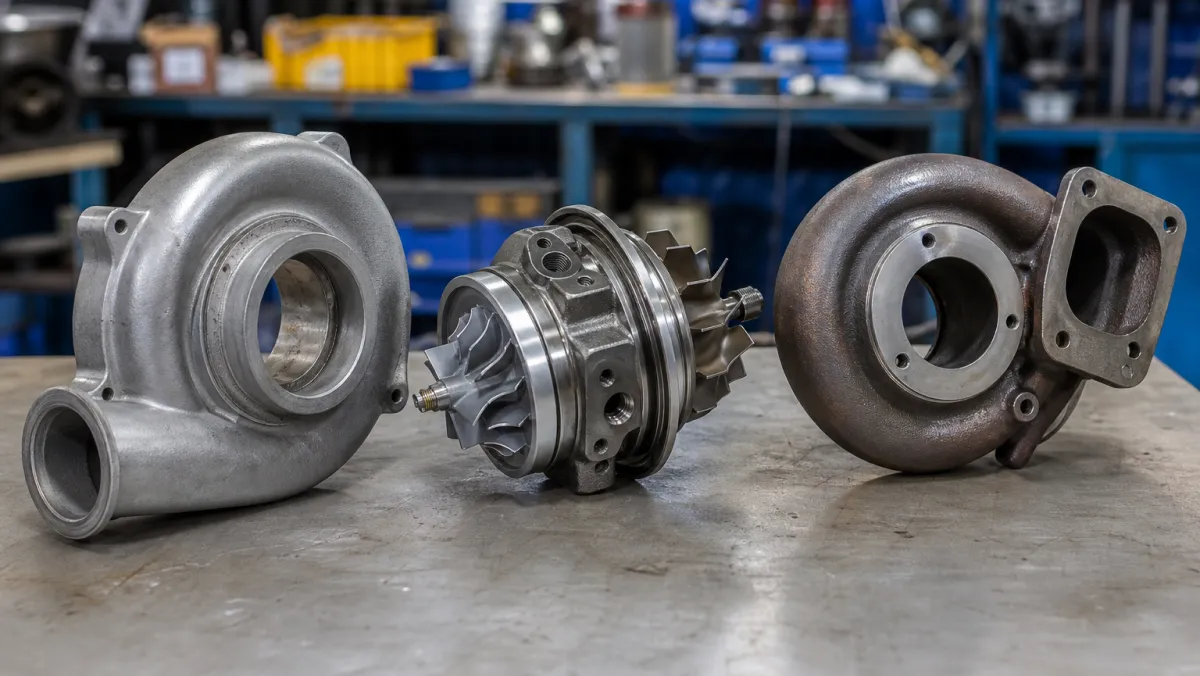
Brand new turbo turbine wheel shaft assemblies for diesel turbocharger rebuilds supplied by UPAPSI

Turbo Turbine Wheels

New Shaft and Wheel Assemblies for Diesel Turbocharger Rebuilds

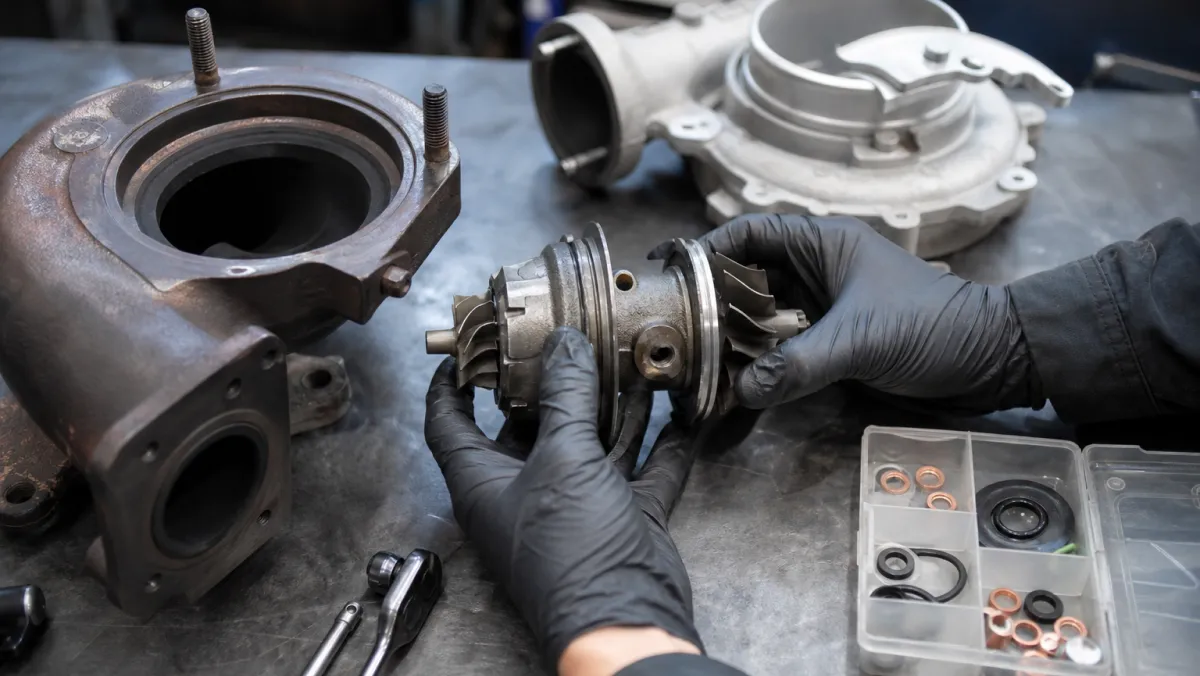
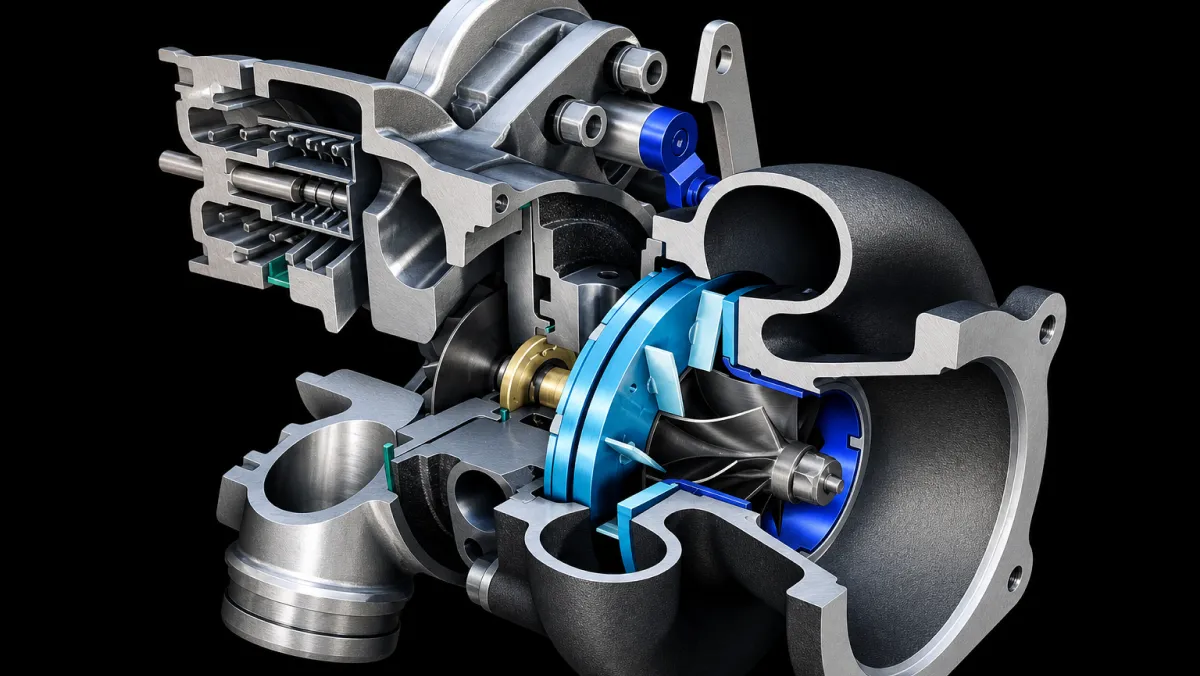
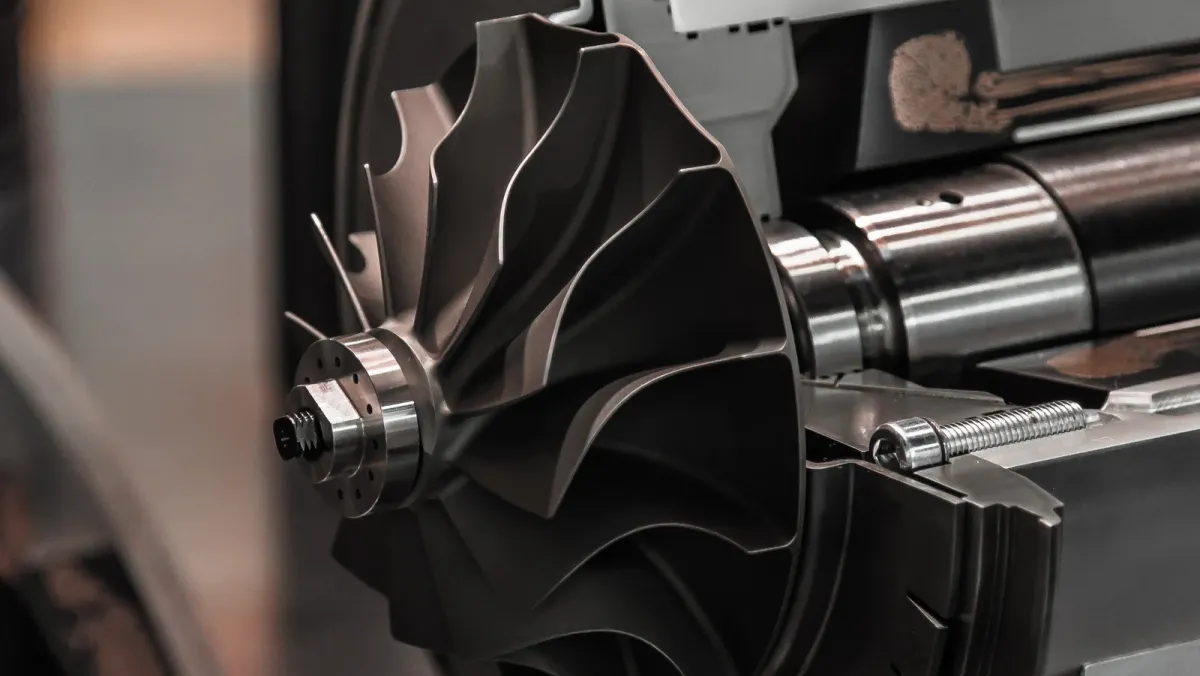
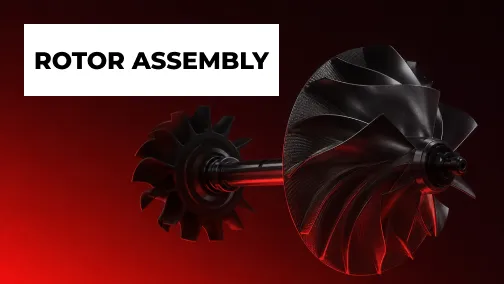
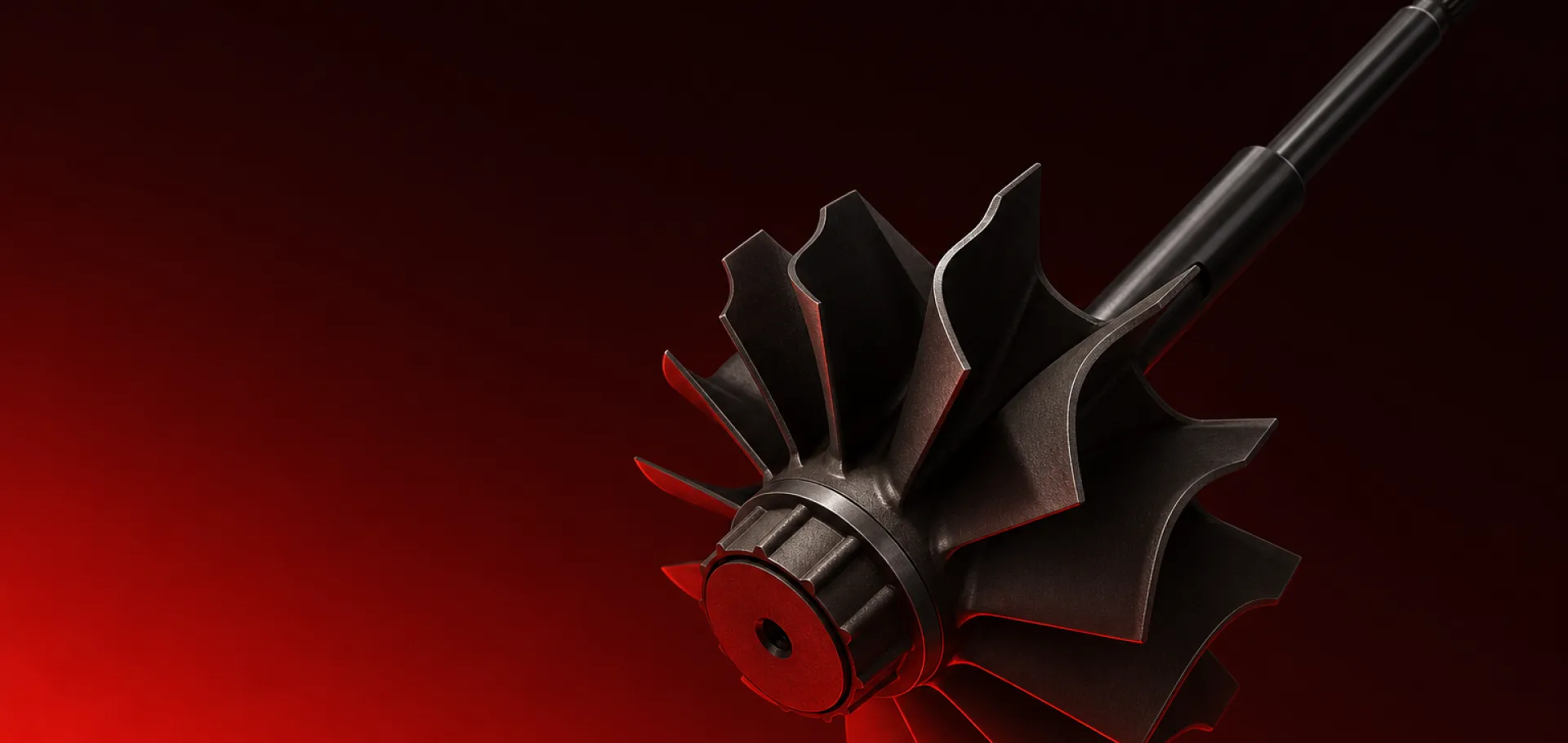
The turbine wheel converts exhaust gas energy into rotational force — it is the component that drives the entire turbocharger. Operating at temperatures exceeding 800°C and speeds above 100,000 RPM, the turbine wheel endures the most extreme conditions of any rotating part in a diesel engine. The turbine wheel is permanently joined to the turbo shaft by friction welding and is sold as a shaft-and-wheel assembly (also called the turbine shaft wheel or TSW). We stock brand new shaft-and-wheel assemblies for Holset, Garrett and BorgWarner turbochargers covering Cummins, CAT, Detroit, Ford and other platforms. Each assembly is manufactured from Inconel superalloy, individually balanced, and matched by turbo model. US stock, no core charge.

  • 100% Brand New
  • Inconel Superalloy
  • OEM-Spec Quality
  • US Stock, Fast Dispatch
  • Individually Balanced
  • 1-Year Warranty
  • No Core Charge

Inconel Superalloy at 100,000 RPM — The Part That Must Be Right

The turbine wheel is the most expensive individual component in a turbo rebuild — and the one that must be right. A turbine wheel with incorrect dimensions, poor metallurgy, or inadequate balancing will fail at speed, potentially destroying the entire turbo and sending fragments into the engine. We stock OEM-spec Inconel shaft-and-wheel assemblies that match the turbo's original rotating group.

Inconel Superalloy, Investment Cast

Every turbine wheel is cast from Inconel — a nickel-chromium superalloy engineered for sustained operation at extreme temperatures. Inconel maintains its strength and creep resistance at the 800°C+ exhaust temperatures that a diesel turbo generates under full load. Lower-grade alloys soften at these temperatures and fail.

Friction-Welded Shaft-and-Wheel Assembly

The turbine wheel is friction-welded to the shaft at the factory — they are sold as a single unit (shaft-and-wheel assembly or TSW). Every assembly ships individually balanced by material removal from the shaft. When installed in the CHRA with the compressor wheel, the complete rotating group should be VSR-balanced again.

Individually Balanced Before Shipping

Turbine wheels are defined by inducer diameter, exducer diameter, blade count and shaft dimensions. We match by turbo model and OEM part number to ensure the replacement assembly fits the bearing housing bore, the turbine housing throat, and the compressor wheel nut thread.

The Most Critical Rotating Component

We stock twenty shaft-and-wheel configurations covering the most commonly rebuilt turbo models in North American diesel: Holset HE300VG, HE400VG, HE351VE, HE351CW, HX35, HX55 families, Garrett GT3782V, GTP38, and BorgWarner S300V, B2UV and K03.

Twenty Configurations Covering Major Platforms

The shaft-and-wheel assembly is the structural core of the turbo's rotating group. The quality of its metallurgy, dimensional accuracy, friction weld integrity, and balance determines the rebuilt turbo's service life. We supply the part that matters most.

The Part Where Material Quality Cannot Compromise

One-year warranty on every shaft-and-wheel assembly. See the warranty page.

Inconel Superalloy, Investment Cast

Every turbine wheel is cast from Inconel — a nickel-chromium superalloy engineered for sustained operation at extreme temperatures. Inconel maintains its strength and creep resistance at the 800°C+ exhaust temperatures that a diesel turbo generates under full load. Lower-grade alloys soften at these temperatures and fail.

Friction-Welded Shaft-and-Wheel Assembly

The turbine wheel is friction-welded to the shaft at the factory — they are sold as a single unit (shaft-and-wheel assembly or TSW). Every assembly ships individually balanced by material removal from the shaft. When installed in the CHRA with the compressor wheel, the complete rotating group should be VSR-balanced again.

Individually Balanced Before Shipping

Turbine wheels are defined by inducer diameter, exducer diameter, blade count and shaft dimensions. We match by turbo model and OEM part number to ensure the replacement assembly fits the bearing housing bore, the turbine housing throat, and the compressor wheel nut thread.

The Most Critical Rotating Component

We stock twenty shaft-and-wheel configurations covering the most commonly rebuilt turbo models in North American diesel: Holset HE300VG, HE400VG, HE351VE, HE351CW, HX35, HX55 families, Garrett GT3782V, GTP38, and BorgWarner S300V, B2UV and K03.

Twenty Configurations Covering Major Platforms

The shaft-and-wheel assembly is the structural core of the turbo's rotating group. The quality of its metallurgy, dimensional accuracy, friction weld integrity, and balance determines the rebuilt turbo's service life. We supply the part that matters most.

The Part Where Material Quality Cannot Compromise

One-year warranty on every shaft-and-wheel assembly. See the warranty page.

The critical part, matched and balanced

WHY CHOOSE US

The critical part, matched and balanced

We match by turbo model and shaft dimensions, balance every assembly, and hold twenty configurations on a US shelf. More about our company and quality process.

FAQ

The turbine wheel is the hot-side rotor that converts exhaust gas energy into rotational force to drive the compressor wheel. It is permanently joined to the turbo shaft by friction welding — the two are sold together as a shaft-and-wheel assembly (TSW). The assembly includes the turbine wheel, the shaft, and the journal bearing surfaces machined onto the shaft.

No. The friction weld between the turbine wheel and shaft is a permanent joint — it cannot be disassembled and reassembled. If either the wheel or the shaft is damaged, the entire assembly is replaced as a unit.

By turbo model and the original assembly's dimensions: turbine wheel inducer and exducer diameters, blade count, and shaft diameter/length. The part number on the original assembly or the turbo's dataplate identifies the correct replacement.

Inconel — a nickel-chromium superalloy that maintains its mechanical properties at the extreme temperatures diesel exhaust generates (800°C and above). Inconel resists creep, oxidation and thermal fatigue far better than standard steel alloys.

All assemblies are 100% brand new — new wheel, new shaft, new friction weld. No reconditioned or re-shafted units. Individually balanced, OEM-spec dimensions. One-year warranty.

Yes. Turbo rebuild shops order turbine wheel assemblies as regular stock. Consistent wholesale pricing from US inventory. See the wholesale page.

Turbo Turbine Wheel Guide

The turbine wheel is the most thermally and mechanically stressed component in the turbocharger. Understanding its materials, construction, and failure modes helps rebuild shops assess damage and source correctly.

Inconel: Why the Material Matters

Turbine wheels operate at exhaust gas temperatures that would soften or melt conventional steel. Inconel (typically Inconel 713C or 713LC for diesel turbo wheels) is a nickel-chromium superalloy that maintains its yield strength, creep resistance and oxidation resistance at temperatures exceeding 800°C. The wheel is investment-cast (lost-wax process) to achieve the complex blade geometry, then heat-treated to develop the metallurgical properties needed for high-speed, high-temperature service. Substituting a lower-grade alloy saves cost but introduces the risk of blade creep or fracture at operating temperature — a catastrophic failure that sends fragments into the exhaust system and potentially back into the engine through EGR.

Friction Welding: The Shaft-to-Wheel Joint

The turbine wheel and shaft are joined by inertia friction welding — one component spins at high speed while the other is pressed against it. The friction generates enough heat to forge the two together at the molecular level. The result is a joint stronger than either base material. This process is performed at the factory with specialized equipment — it cannot be replicated in a rebuild shop. If the shaft is scored, bent, or worn past tolerance, the entire shaft-and-wheel assembly must be replaced.

Turbine Wheel Damage Assessment

  • Blade tip erosion — Gradual wear from exhaust particulates. Minor erosion is normal at high mileage; severe erosion reduces turbine efficiency and requires replacement.
  • Foreign object damage — Engine debris (valve fragments, carbon chunks, gasket material) striking the blades causes chips or fractures. Any visible FOD requires wheel replacement.
  • Thermal cracking — Hairline cracks at the blade roots from thermal fatigue. Inspect under magnification during rebuilds — cracks propagate quickly at operating speed.
  • Shaft wear — Journal bearing surfaces on the shaft develop wear grooves. If the shaft is scored or out-of-round beyond bearing clearance tolerance, replace the assembly.