Turbocharger Price Guide: Key Factors That Affect Cost
Ask three suppliers for a turbocharger price and you will get three different numbers. That is normal. A small passenger-car turbo can sell for under $500, while a new OEM variable geometry turbo for a Cummins X15 can pass $8,000 at a dealership. Most heavy-duty diesel buyers we work with land between $1,000 and $4,500 for a quality aftermarket or remanufactured unit. This guide breaks down what actually drives that number: the technology inside the turbo, the engine it serves, the channel you buy through, and the costs that never show up on the price tag. Once you understand these factors, you can compare quotes on equal terms.
How Much Does a Turbocharger Cost? (Quick Answer)
For most buyers, a replacement turbocharger costs between $400 and $4,500 for the part alone. Light-duty gasoline and pickup turbos typically run $400 to $1,500. Heavy-duty diesel turbos for semi trucks run $900 to $4,500 from aftermarket and remanufactured channels, while a brand-new OEM unit purchased through a dealership commonly reaches $6,000 to $10,000 or more for complex VGT models. Professio nal installation adds roughly $500 to $1,500 in labor on top of the part.
| Application | Typical Part Price (USD) | Notes |
|---|---|---|
| Passenger car and light truck (K03, GT1446V, etc.) | $400 - $1,500 | Small frame, high production volume |
| Pickup diesel (6.7 Cummins, 6.0/6.4 Powerstroke, Duramax) | $900 - $2,800 | VGT standard since the 2007 emissions era |
| Class 8 truck (Cummins X15/ISX, Detroit DD15, Cat C15) | $1,200 - $4,500 | Quality aftermarket or certified remanufactured |
| Same Class 8 models, new OEM at a dealership | $6,000 - $10,000+ | Includes actuator and full OEM warranty |
These ranges come from current market listings and the quotes we issue every week. Your exact price depends on the factors below.
Six Factors That Decide the Price of a Turbocharger
1. Turbo Technology: VGT vs Wastegate vs Fixed Geometry
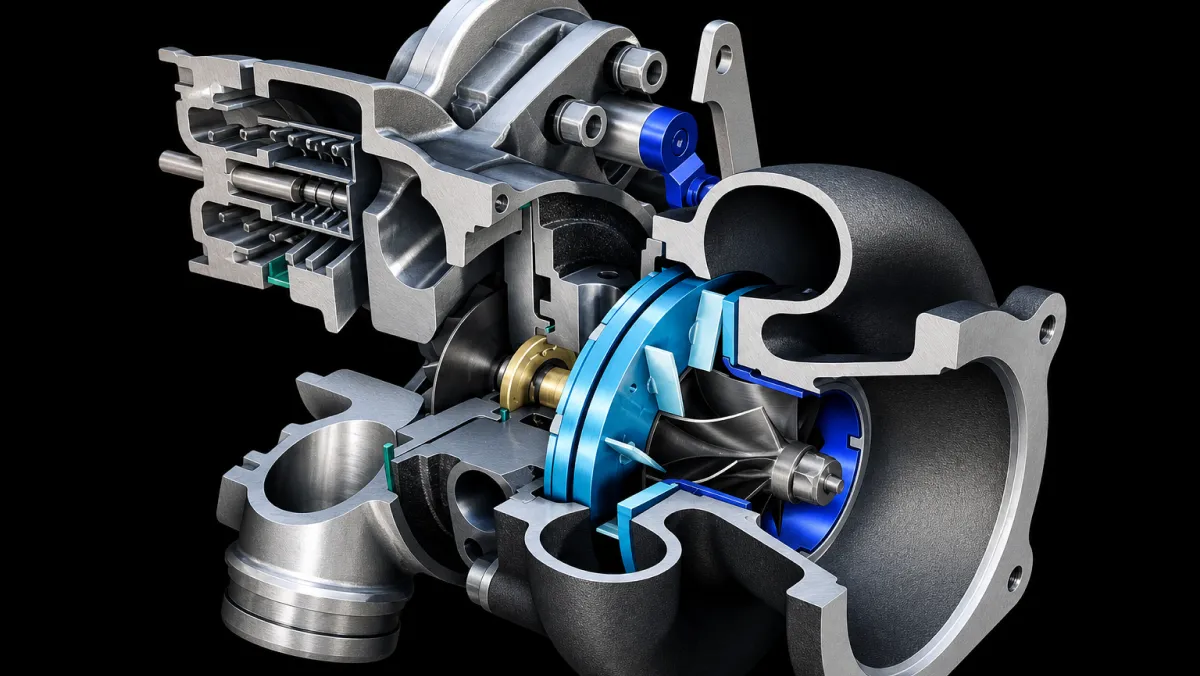
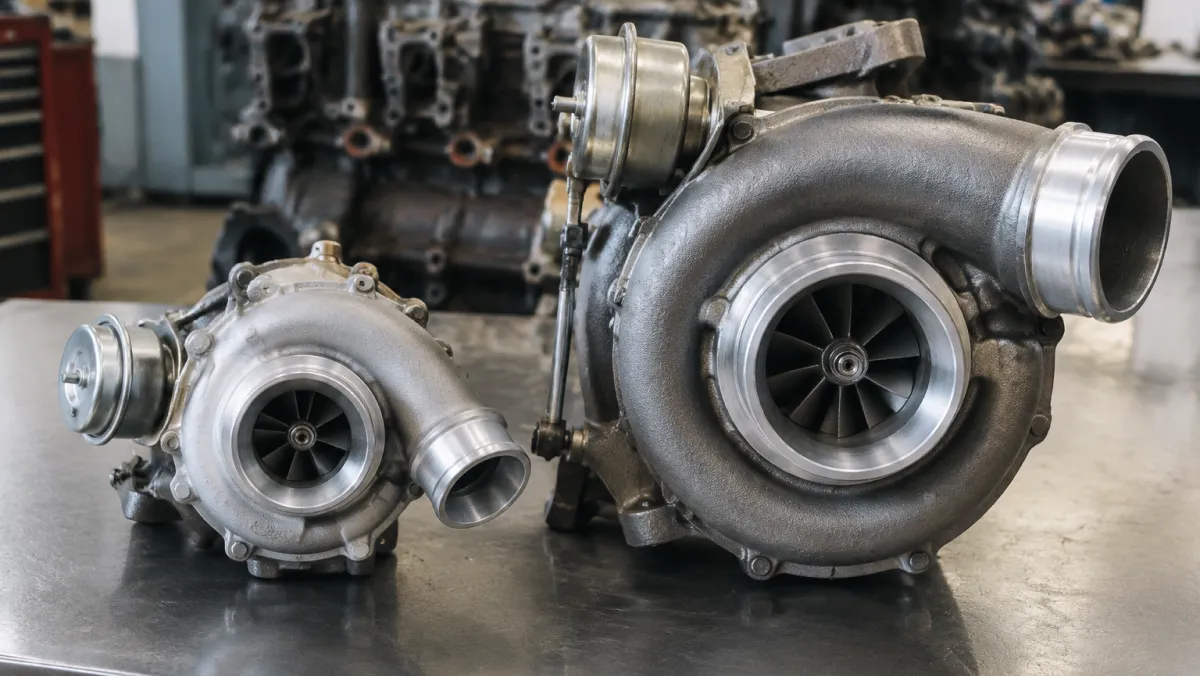
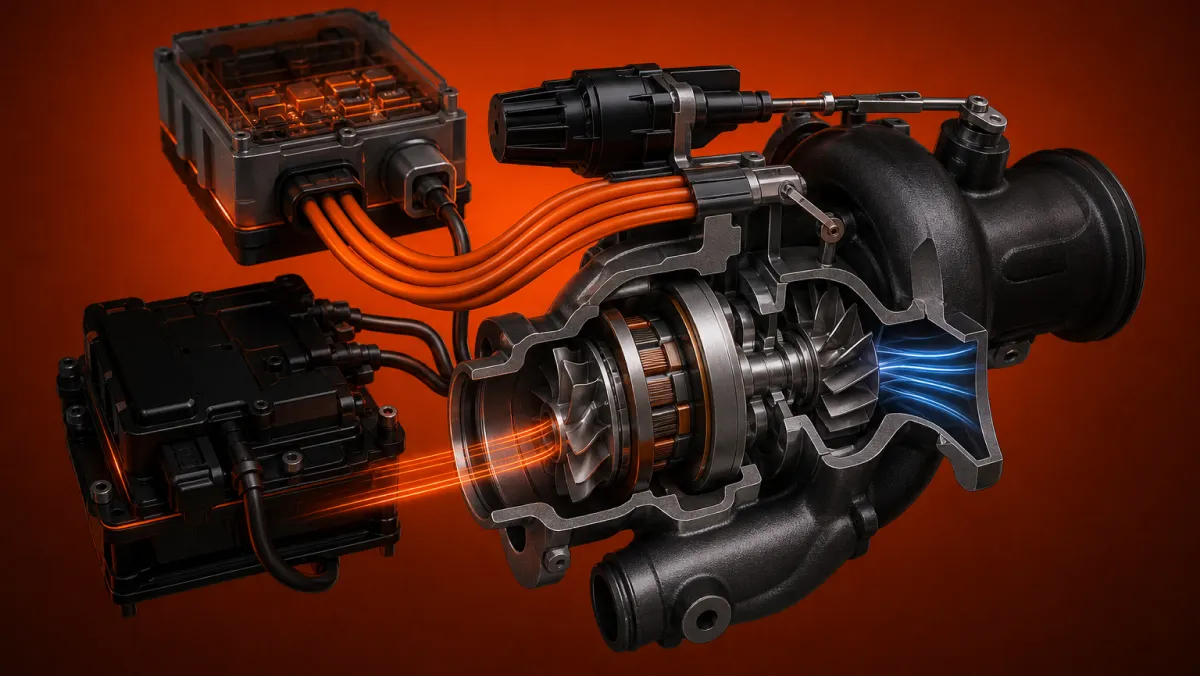
The single biggest price driver is the boost control system. A fixed-geometry or wastegated turbo is a relatively simple machine: a turbine wheel, a compressor wheel, and a center section. A variable geometry turbocharger (VGT) adds a row of adjustable vanes, a nozzle ring, a unison ring, and an electronic actuator that has to be calibrated to the engine ECU. That extra hardware and calibration work is why a fixed-geometry Holset HX40W for a Cummins ISC sells new aftermarket around $975 to $1,350, while an HE300VG VGT for the 6.7L ISB starts above $2,100. Same engine family, very different price.
2. Engine Platform and Turbo Size
Bigger engines need bigger turbos, and bigger turbos cost more to cast, machine, and balance. A 15-liter Cummins X15 moves far more exhaust than a 2.7L EcoBoost, so its turbine wheel, shaft, and housings are heavier and made from more expensive heat-resistant alloys. Production volume matters too. High-volume pickup turbos benefit from economies of scale, while a low-volume industrial or marine unit carries more cost per piece.
3. New OEM vs New Aftermarket vs Remanufactured
This is where buyers have the most control over price. A new OEM turbo from a dealer carries the brand premium, dealer overhead, and usually the longest factory warranty. A new aftermarket turbo built to OE specifications typically costs 30 to 50 percent less. A certified remanufactured turbo, which reuses the OEM housings with all new internal wear parts, usually sells for 30 to 50 percent below the new OEM price. For a Cummins ISX VGT, that means roughly $2,100 to $3,200 remanufactured versus $6,000 to $10,000 new at the dealer. The gap is real, but so is the risk spread: a reman unit is only as good as the rebuilder's balancing and calibration process.
4. Materials, Machining, and Balancing
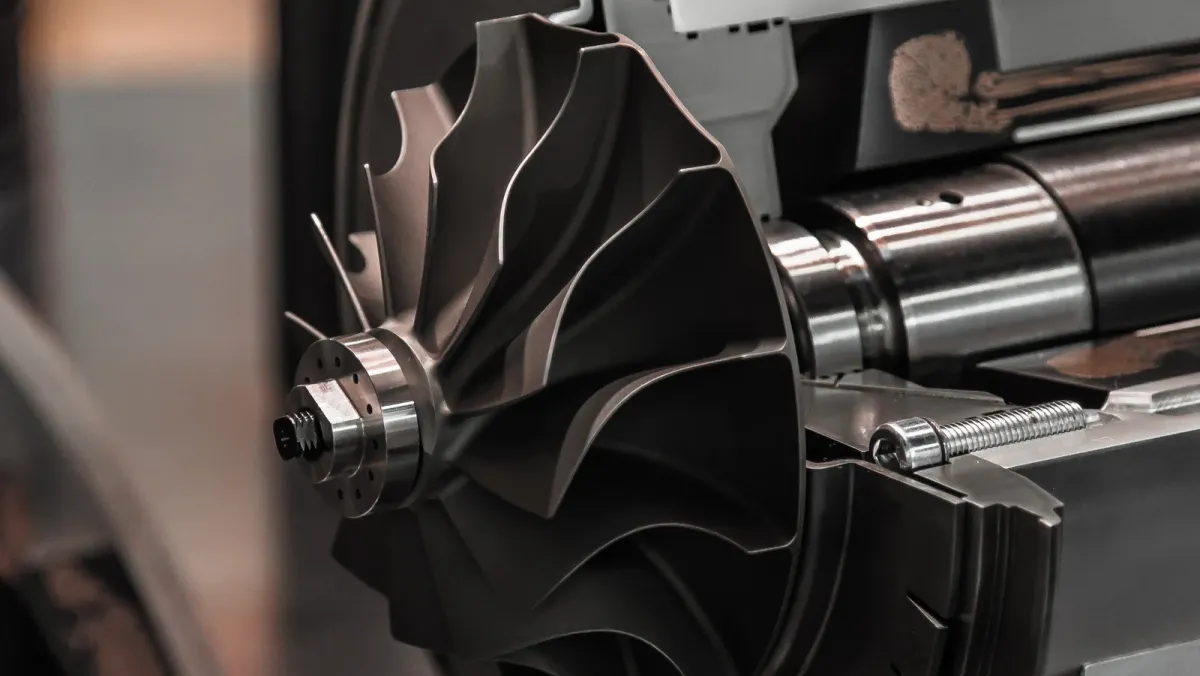
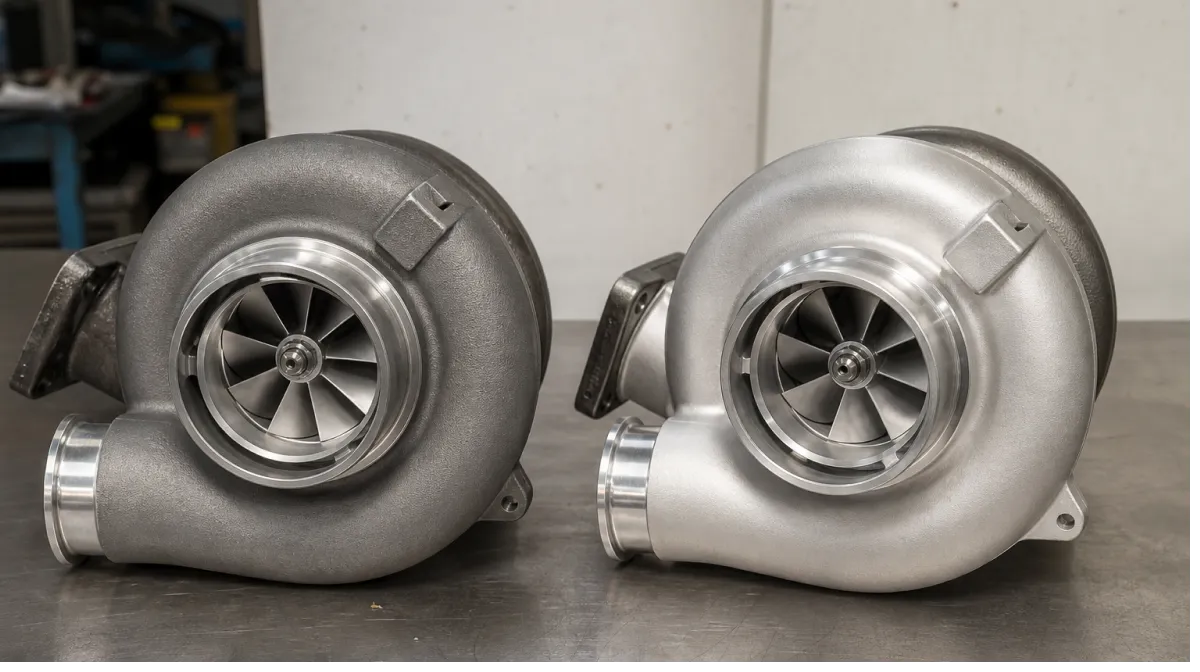
Two turbos with the same OE number can be built to very different standards. Turbine wheels cast from Inconel survive exhaust temperatures that destroy cheaper alloys. Billet compressor wheels cost more than cast wheels but hold tighter tolerances. The step that separates serious manufacturers from budget ones is high-speed VSR balancing of the rotating assembly, which simulates real operating speeds above 100,000 rpm. Skipping it saves the builder money and costs you a bearing failure a few months later. When one quote is 40 percent below the others, this is usually where the money came out.
5. What Is Included in the Box
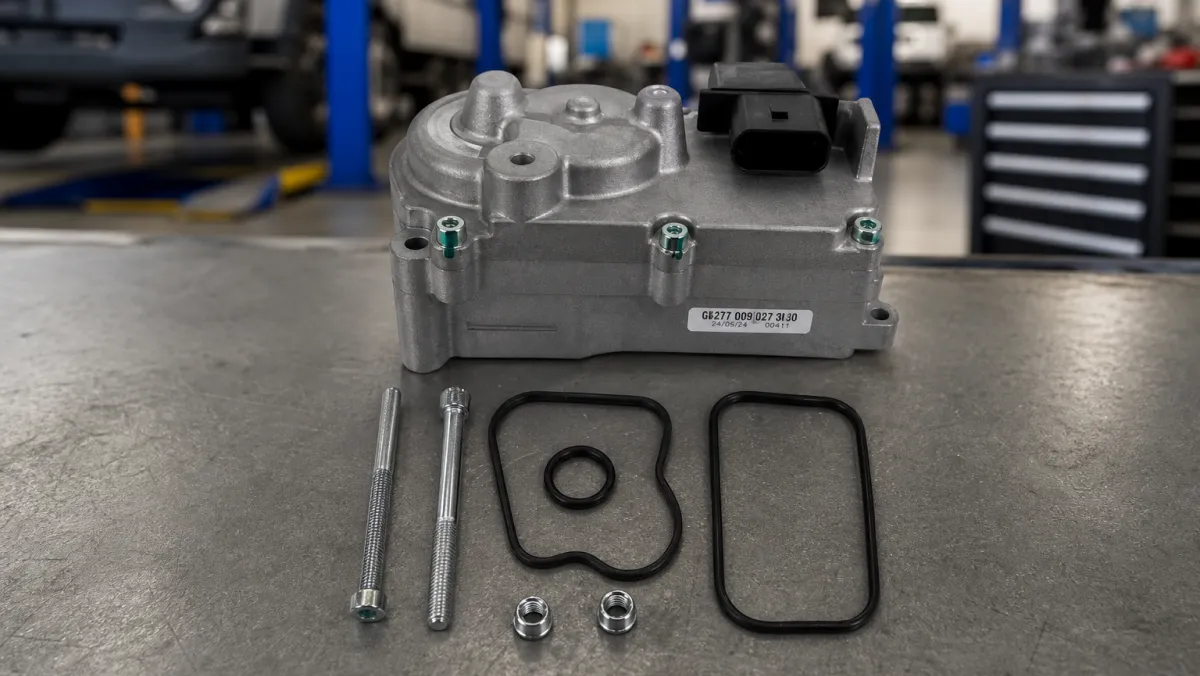
Always check the configuration before comparing prices. Many VGT turbos are sold "short," meaning without the electronic actuator. A short HE351VE might list at $1,700, while the same turbo with a genuine calibrated actuator lists at $2,600. Some quotes include the installation gasket kit, oil feed line, or speed sensor; others charge extra. An actuator bought separately runs $600 to $700, so a cheap headline price can end up costing more once you add the missing parts.
6. Purchase Channel and Order Volume
Where you buy changes the number as much as what you buy. Retail marketplaces add platform fees and individual packaging and shipping. Buying direct from a manufacturer or through a turbocharger wholesale program removes those layers, and pricing usually steps down at volume thresholds. Distributors ordering mixed pallets of fast-moving Cummins, Detroit, and Cat models routinely pay 15 to 30 percent less per unit than single-piece retail buyers.
Heavy-Duty Turbocharger Price Ranges by Engine
To make the ranges concrete, here is what quality replacement units actually sell for across the platforms we supply most. Figures are for the part only, from reputable aftermarket and remanufactured sources.
| Engine Platform | Common Turbo Models | Aftermarket / Reman Price (USD) |
|---|---|---|
| Cummins X15 (EPA17/EPA21) | HE400VG | $2,800 - $3,600 new aftermarket; $2,100 - $3,200 reman |
| Cummins ISX15 / QSX | HE451VE, HE561VE, HE551V | $2,100 - $3,600 reman with actuator |
| Cummins 6.7L ISB (Dodge Ram and medium duty) | HE300VG, HE351VE | $1,700 - $2,650 depending on actuator |
| Detroit DD15 / Series 60 | DD15 VGT, GTA4294, HE531V | $2,300 - $4,000 |
| Caterpillar C15 Acert | GTA4294BS + GTA5518B (twin setup) | From $3,200 per side, reman |
| Volvo D13 / Mack MP8 | HE400VE, HE431VE | $2,300 - $3,000 |
| PACCAR MX-13 | HE500VG, HE531VE, HE400VG | $2,500 - $4,000 |
Note the Cat C15 Acert line: it uses a compound twin-turbo arrangement, so a full replacement means two units. Always confirm whether a quoted price covers one turbo or the complete system.
Why VGT Turbos Cost More, and When the Premium Pays Off
Since EPA 2007, nearly every North American on-highway diesel has run a VGT, because the vanes double as the engine brake and supply the exhaust back pressure that drives EGR. You pay for that capability twice: once in the purchase price, and again in tighter manufacturing tolerances. The premium is worth paying when the truck stays under your control for years, because a properly functioning VGT returns the cost through fuel economy and engine-brake savings on brake shoes. It is harder to justify paying OEM-dealer money for the same hardware when certified aftermarket units meet the same OE specification at half the price.
Hidden Costs Behind the Sticker Price
Budget for these before you compare quotes:
- Core charge. Remanufactured units carry a refundable core deposit, typically $400 to $800 or more on VGT assemblies. You get it back when your old rebuildable core is returned on time.
- Actuator. $600 to $700 if your quote is for a short turbo and your old actuator cannot be reused or recalibrated.
- Installation supplies. Gaskets, V-band clamps, oil feed and return lines. Skipping a $40 oil line to save money is how new turbos die young.
- Freight. A Class 8 turbo weighs 45 to 90 pounds. On single units, shipping can add $80 to $250.
- Downtime. A parked truck costs far more per day than the price difference between a cheap unit and a good one. For revenue trucks, availability beats the lowest bid.
For a full breakdown of labor, diagnosis, and related repairs, see our turbocharger replacement cost guide.
Wholesale vs Retail: How Volume Changes the Number
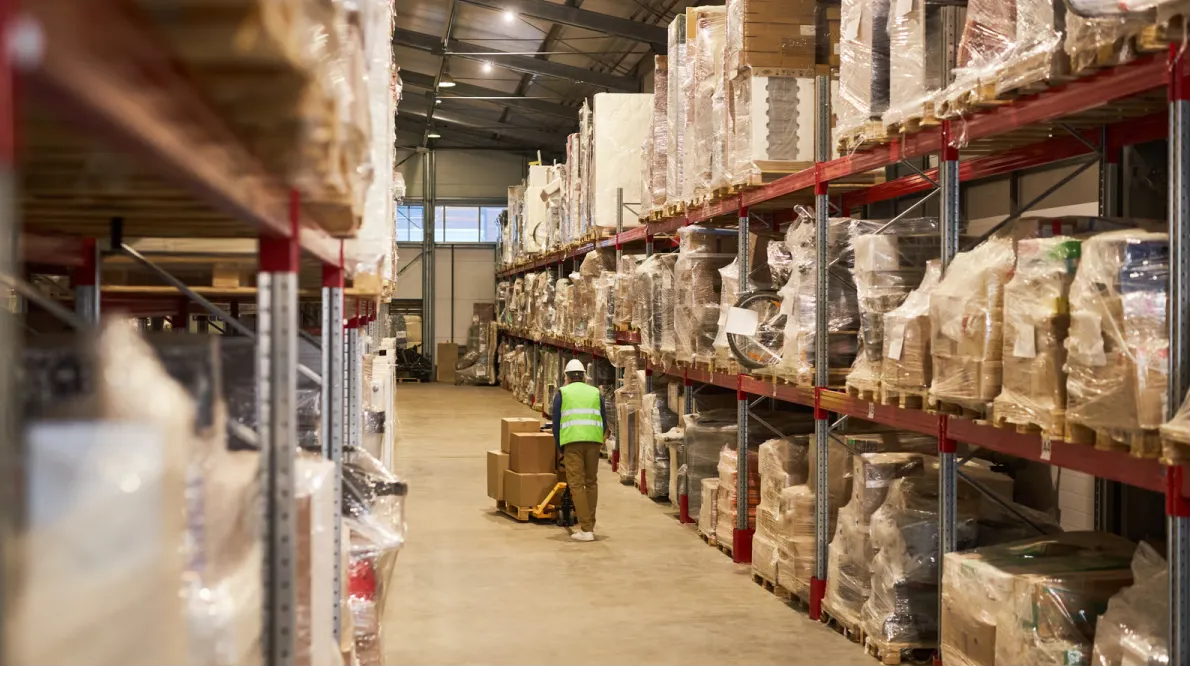
If you are a distributor, fleet, or repair chain buying more than a handful of units a year, retail pricing is the wrong benchmark. Wholesale pricing is built around three things: order volume per shipment, model mix across fast-moving part numbers, and payment terms. A mixed container or pallet order of popular Cummins, Detroit, and Cat turbos brings the per-unit cost down sharply because the supplier amortizes freight, packaging, and handling across the batch. The other advantage is stock priority: wholesale partners get first allocation on high-demand models like the HE400VG and HE300VG, which matters more than a few points of discount when a customer's truck is down.
How to Get the Best Value, Not Just the Lowest Price
After ten years in this trade, our advice is consistent. The best-value turbo is the one with the lowest cost per mile, not the lowest invoice. Before you buy, run through this checklist:
- Match the OE number on your old turbo's nameplate, not just the engine model. One digit off can mean a different calibration.
- Ask whether the rotating assembly was VSR high-speed balanced, and ask for the balancing specification.
- Confirm exactly what is included: actuator, gaskets, speed sensor, calibration status.
- Read the warranty terms. A real warranty states the coverage period and the claim process in writing. Our own warranty and after-sales policy is a fair benchmark.
- Ask about the supplier's quality control process. Suppliers who test every unit will tell you so in detail; those who do not will change the subject.
Get an Exact Price for Your Application
Online price ranges are a starting point. An accurate quote needs your OE part number or engine model, the quantity, and whether you need the actuator included. Send us those three details through our contact page and we will return a firm price with availability, warranty terms, and lead time, usually within one business day. Distributors and fleets can ask for our wholesale price list at the same time.

FAQ
Most replacement turbochargers cost between $400 and $4,500 for the part alone. Light-duty passenger turbos sit at the bottom of that range, heavy-duty diesel VGT units at the top, and new OEM dealer units above it at $6,000 to $10,000 or more. Installation labor adds roughly $500 to $1,500.
A replacement turbo for a Class 8 semi truck costs $1,200 to $4,500 from quality aftermarket or certified remanufactured sources. The same model purchased new from an OEM dealership typically runs $6,000 to $10,000 or more, especially for VGT models with the actuator included.
A VGT contains adjustable turbine vanes, a nozzle ring and unison ring, and an electronic actuator that must be calibrated to the engine. That extra precision hardware and calibration work adds cost compared with a fixed-geometry or wastegated turbo, which is why a VGT for the same engine family can cost twice as much.
Rebuilding is cheaper in parts but slower. A professional VGT rebuild averages around $2,500, versus $4,500 to $7,500 for a new replacement. A pre-balanced CHRA cartridge costs only $400 to $700 but requires in-house skill, and VGT units still need actuator calibration afterward. For trucks that cannot wait, a remanufactured exchange unit is usually the better economic choice.
Only if the builder can document materials, machining standards, and high-speed VSR balancing. Unknown-brand turbos priced far below market usually cut cost in the turbine wheel alloy and the balancing step, and the failure shows up within months as shaft play or oil leaks. A documented quality aftermarket unit at 30 to 50 percent below OEM price is a good value; an undocumented one at 70 percent below is a gamble.
Because the OE number only defines fit, not build standard or configuration. Quotes for the same number may differ in whether the actuator is included, whether the unit is new or remanufactured, the wheel materials used, the balancing standard applied, and the warranty behind it. Compare configuration and documentation first, price second.
A core charge is a refundable deposit, typically $400 to $800 or more on VGT units, added to remanufactured turbo sales. It is refunded when you return your old rebuildable turbo within the supplier's deadline. The deposit keeps used cores flowing back into the remanufacturing supply chain.