6.7 Cummins Turbo: Replacement Buyer's Guide for Fleets & Repair Shops
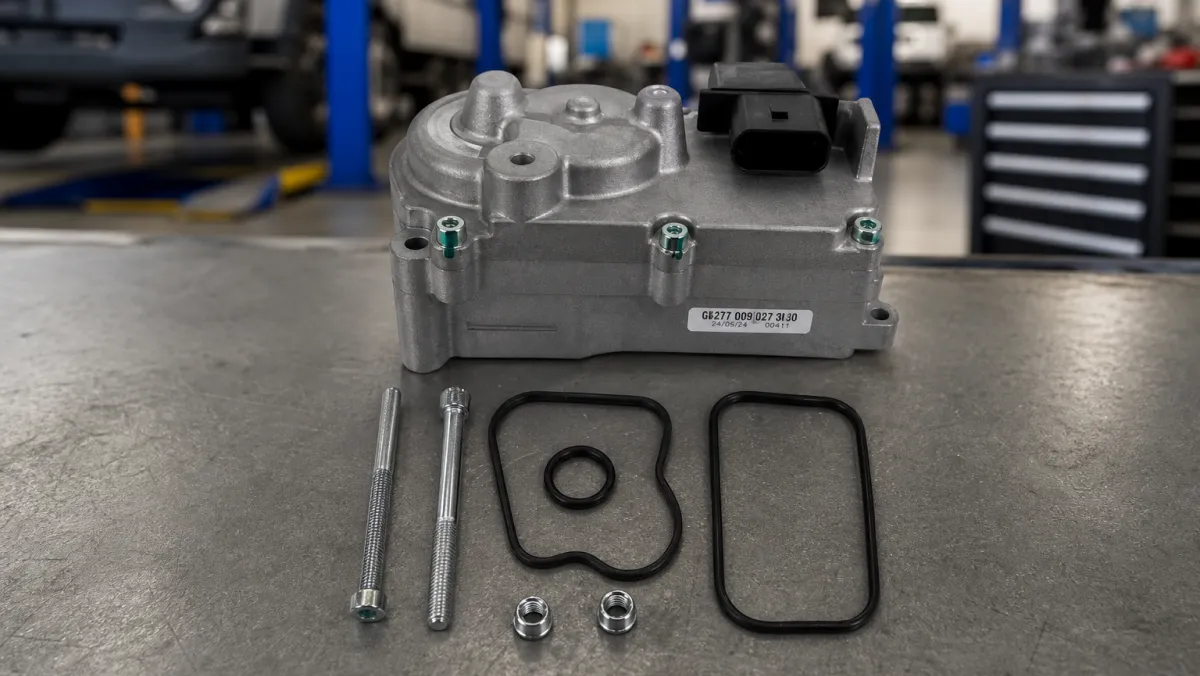
Ordering a 6.7 Cummins turbo sounds simple until the unit arrives and does not fit. A 2011 Ram 2500 and a 2016 Ram 3500 both run the 6.7L, yet they use completely different turbochargers with different control systems. For a repair shop, a wrong part means a comeback job and a tied-up bay. For a fleet, it means a truck sitting while the meter runs. This guide walks through exactly how to match the right replacement turbo to the truck, by model year, emissions version, and OE part number, so the first order is the right order.
The 6.7L Cummins at a Glance: Applications and Model Years
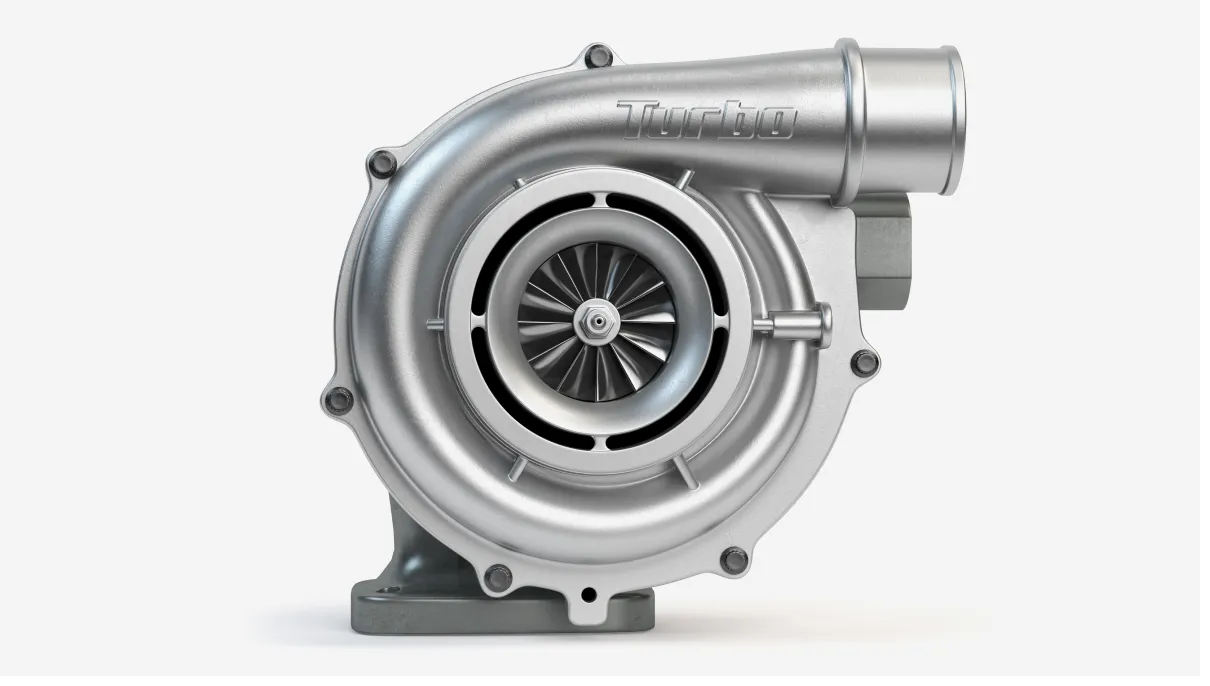
The 6.7L Cummins (ISB 6.7) has powered Ram 2500 and 3500 pickups since mid-2007, along with Ram 3500, 4500, and 5500 chassis cabs. Every version uses a Holset variable geometry turbocharger with an integrated exhaust brake, but the specific turbo model changes with model year and emissions level.
The engine arrived for the 2007.5 model year as the successor to the 5.9L, built to meet tightening EPA emissions rules while adding displacement and torque. Across its production run, the 6.7L has moved through several emissions tiers, roughly EPA07, EPA10, EPA13, EPA17, and EPA21. Each step brought hardware changes, and the turbocharger changed with them.
That point matters more than any other in this guide. On the 6.7L, the turbo is part of the emissions and braking strategy, controlled by the engine computer and tied directly into the exhaust brake. You cannot treat it as a generic bolt-on part. The year, the emissions version, and sometimes the cab configuration all decide which unit belongs on the truck.
Which Turbo Does Your 6.7 Cummins Have? Year and Emissions Breakdown
In short: 2007.5 to 2012 trucks use the Holset HE351VE, 2013 to 2018 trucks use the HE300VG, and 2019 and newer trucks use a revised HE300VG. These units are not interchangeable across year ranges, even though all three are variable geometry turbos on the same engine family.
| Model Years | Emissions Level | Turbocharger | Key Notes |
|---|---|---|---|
| 2007.5 to 2012 | EPA07 / EPA10 | Holset HE351VE | First VGT with electronic actuator; exhaust brake standard on most trims |
| 2013 to 2018 | EPA13 / EPA17 | Holset HE300VG | Smaller, faster-spooling VGT; revised actuator and control logic |
| 2019 to present | EPA17 / EPA21 | Revised HE300VG | Updated calibration and hardware; High Output versions differ further |
2007.5 to 2012: HE351VE
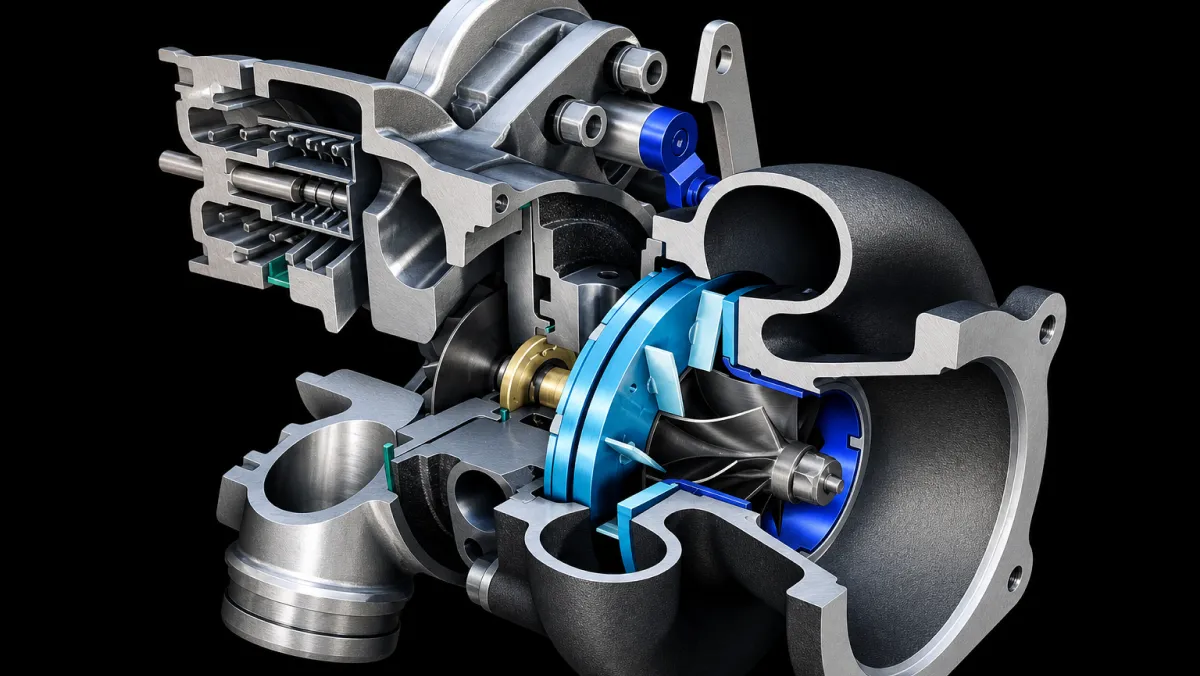
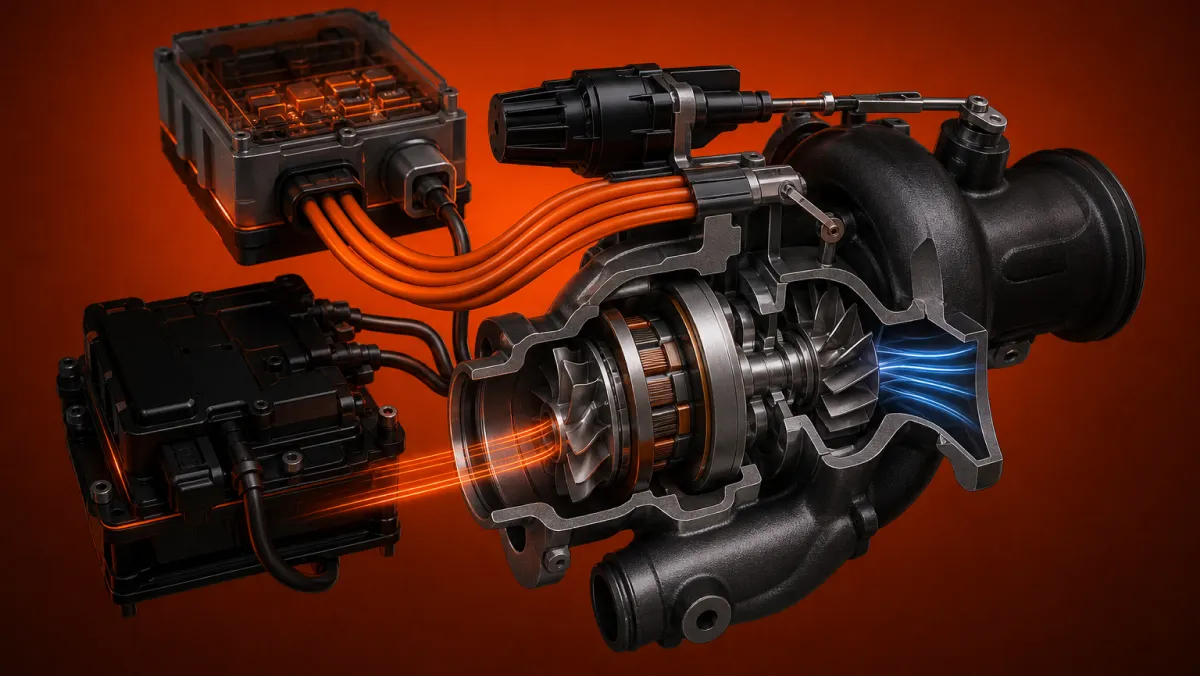
The HE351VE turbocharger was Cummins' first electronically controlled variable geometry unit on a pickup application. It pairs a sliding vane mechanism with an electronic actuator, and it handles both boost control and exhaust braking. These trucks are now 13 to 19 years old, and many are on their second turbo. When ordering for this range, confirm whether the truck is a pickup or a 4500/5500 chassis cab, since calibrations and some hardware details differ.
2013 to 2018: HE300VG
For 2013, Cummins moved to the HE300VG turbocharger, a more compact VGT with a revised actuator and faster response. Physically and electronically it is a different unit from the HE351VE, and it will not swap backward. This generation covers a large share of the trucks currently in fleet service, which makes it one of the most commonly ordered replacement turbos in the Ram lineup.
2019 to Present: Revised HE300VG
The 2019 redesign kept the HE300VG family but with updated hardware and calibration, and High Output models add further differences. If the truck is a 2019 or newer, especially an HO, verify fitment by OE part number or VIN before ordering. Do not assume a 2013 to 2018 unit carries over.
Common 6.7 Cummins Turbo Failures That Force Replacement
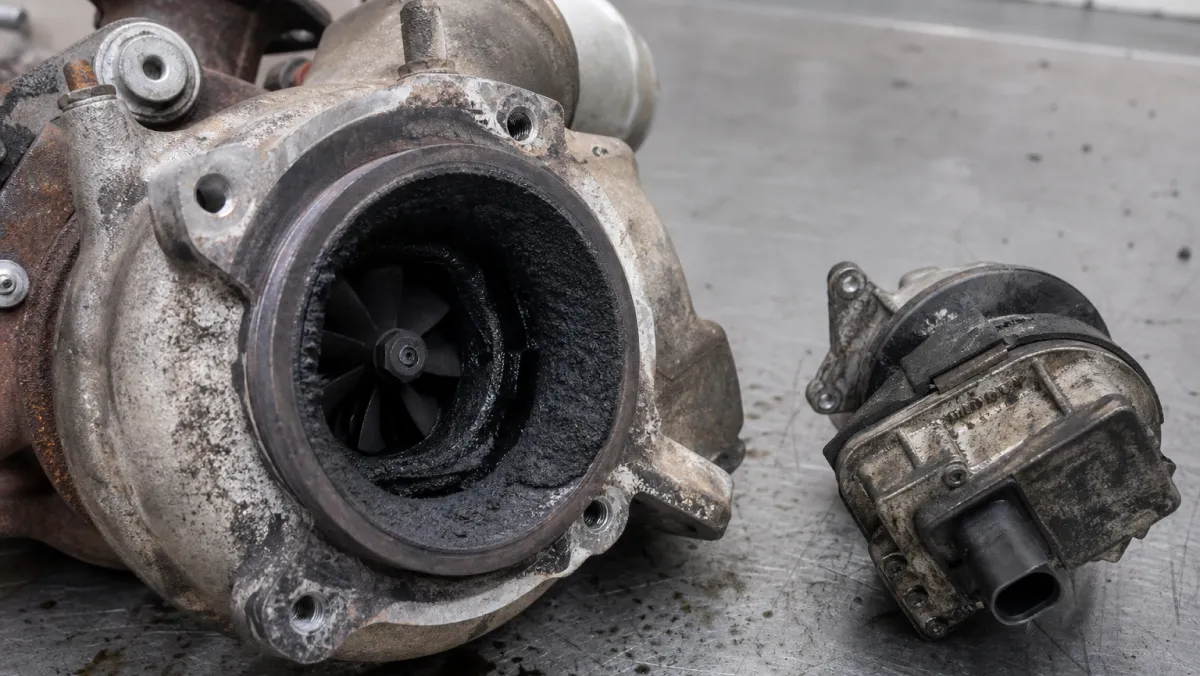
Most 6.7 Cummins turbo replacements trace back to four causes: actuator failure, soot-stuck vanes, bearing and shaft wear, and oil contamination. The first two are specific to the VGT design. Recognizing which one killed the old turbo tells you what else to fix before the new one goes on.
Actuator and VGT Control Failures
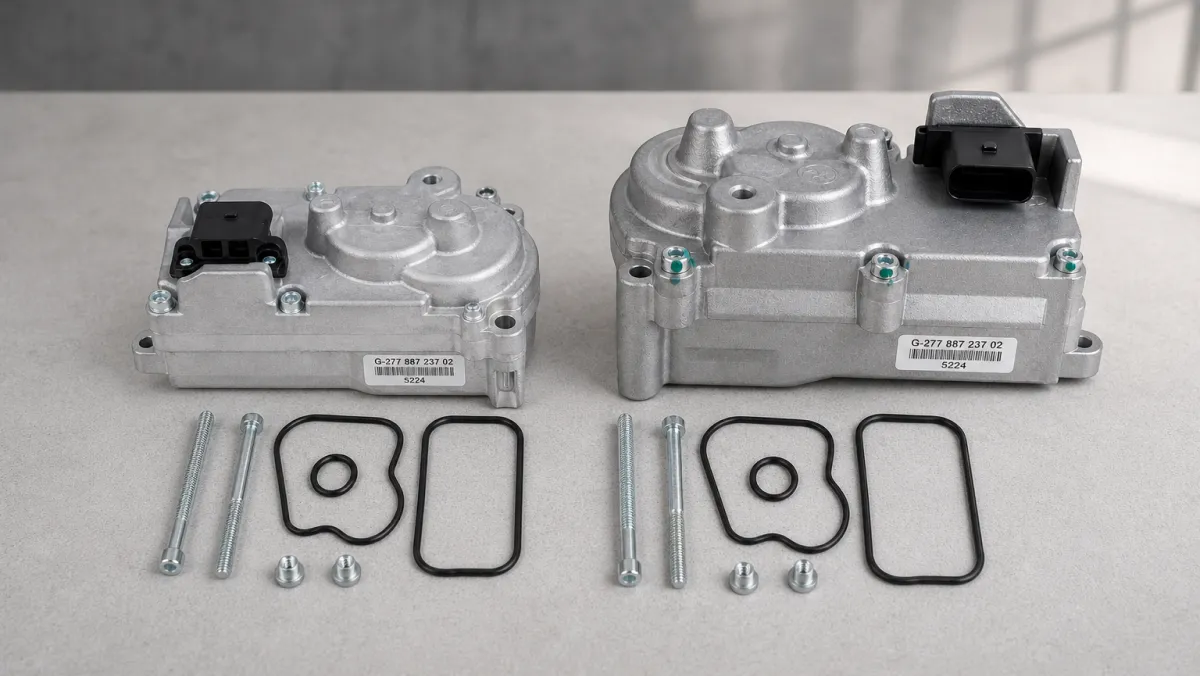
The electronic actuator drives the vane position dozens of times per drive cycle. On high-mileage trucks, actuators wear, lose calibration, or fail outright, typically showing up as low-boost fault codes, a lazy pedal, or an exhaust brake that stops working. In some cases the actuator alone can be replaced, but on a high-mileage unit the labor math usually favors a complete, calibrated turbo.
Sticking Vanes and Soot Buildup
The vane mechanism lives in the exhaust stream, and soot accumulates on every truck, especially ones that idle heavily or run short routes. Eventually the vanes stick, boost response suffers, and fault codes follow. Trucks with EGR or DPF problems accelerate this process, which is why a sticking turbo often points to an upstream issue worth checking at the same time. A full symptom rundown is in our guide to diesel turbo failure symptoms.
Bearing Wear and Oil Contamination
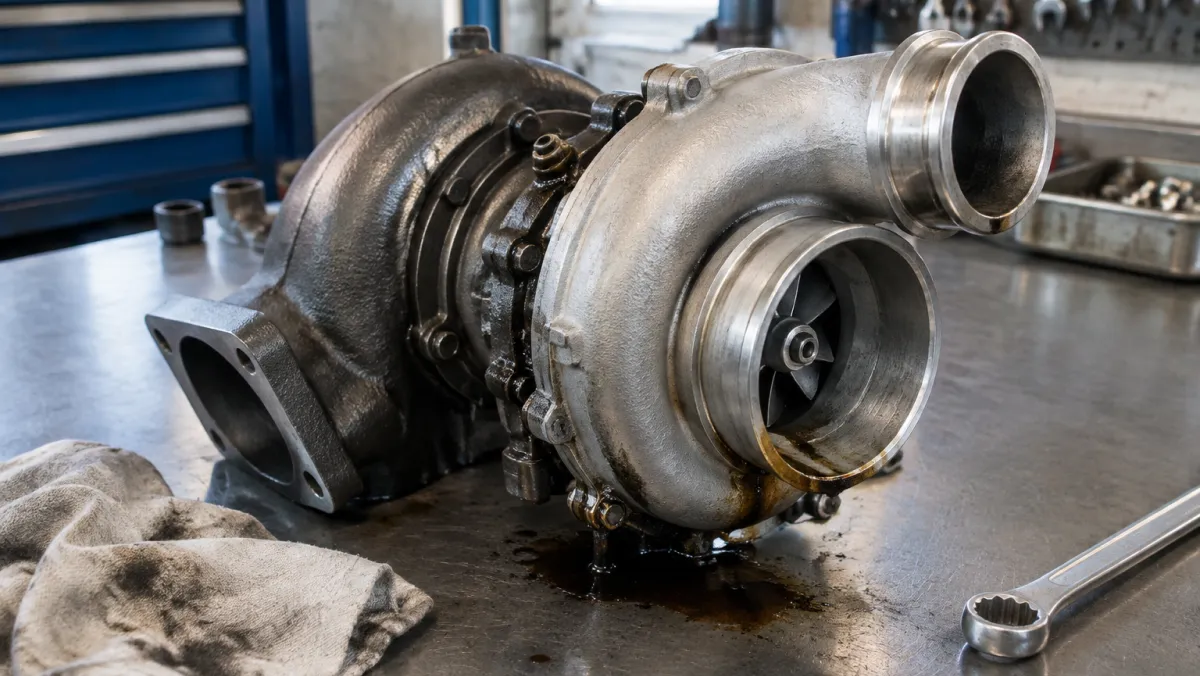
Like any turbo, the HE-series units depend on clean, pressurized oil. Extended drain intervals, coked oil in the center housing from hot shutdowns, or debris from a previous failure all shorten bearing life. Shaft play, compressor wheel contact, and oil in the intake or exhaust are the classic end-stage signs. If the old turbo failed from oil starvation, find and fix the cause before installing the replacement.
How to Choose the Right Replacement Turbo: A Buyer's Checklist
The reliable way to spec a 6.7 Cummins turbo is a five-step check: confirm the model year, match the OE part number, decide between new and remanufactured, compare warranty and core terms, and verify actual stock and lead time. Skipping any step is how wrong parts and surprise costs happen.
Step 1: Match the OE Part Number First
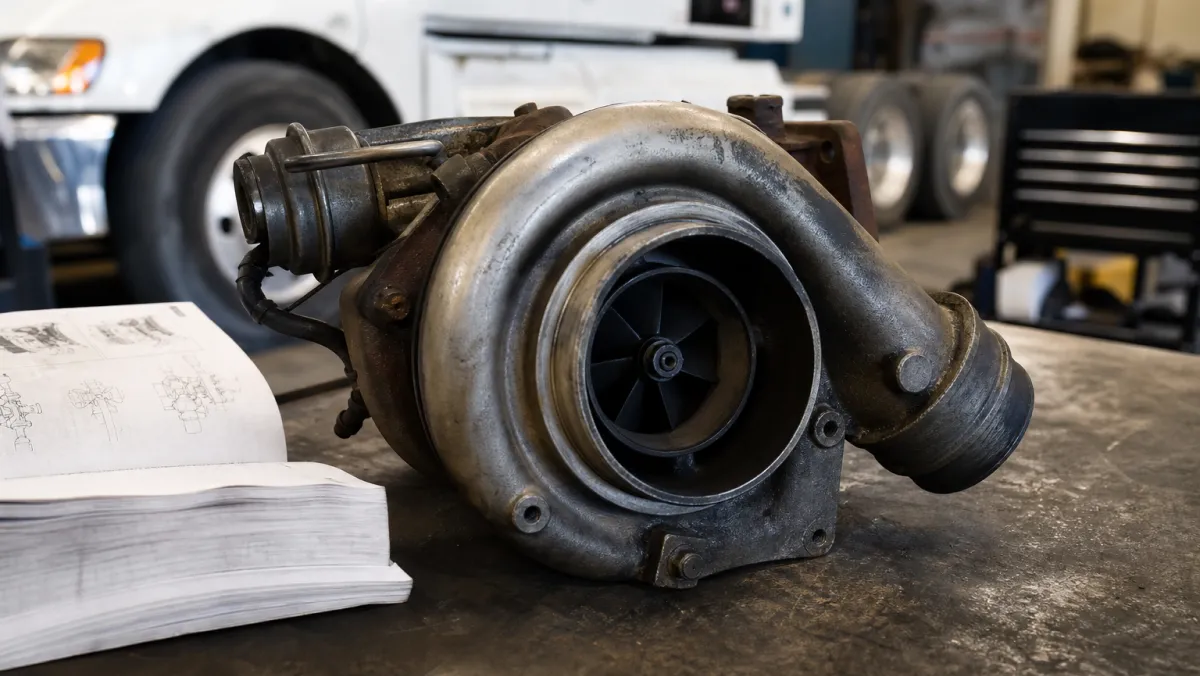
Model year narrows the field; the OE number settles it. The number is stamped on the turbo nameplate and also retrievable by VIN through a dealer or parts catalog. When you send us an inquiry, the OE number or the engine serial number is the single most useful piece of information you can include.
Step 2: Confirm the Emissions Version
Two trucks built in the same calendar year can carry different emissions hardware, particularly around EPA changeover years and between pickup and chassis cab models. If there is any doubt, verify by VIN rather than by the badge on the fender.
Step 3: New vs Remanufactured, What the Price Really Buys
A remanufactured turbo is a used core that has been torn down and rebuilt, and quality varies widely with the rebuilder. Wear items get replaced; housings and hard parts often do not. A brand-new turbo starts from all-new castings, shaft, wheels, and actuator, with no wear history at all. For a work truck or a fleet unit where downtime costs more than the part, new units remove the biggest variable. Every 6.7 Cummins turbo we supply is 100% brand new, never remanufactured, and there is no core charge, so your customer keeps the old unit and you skip the core return paperwork entirely.
Step 4: Warranty, Core Policy, and Stock Availability
Warranty terms tell you how much confidence a supplier has in the unit. Our 6.7 Cummins turbos carry a one-year, unlimited-mileage warranty. Stock position matters just as much: we hold inventory in US warehouses and process orders within 24 hours, which is the difference between a truck down for two days and one down for two weeks. You can browse current coverage on our Dodge Cummins turbocharger page.
OE Part Number Quick Reference
The two most common OE-level references for the 6.7L pickup application are Holset 5325950H for 2007.5 to 2012 HE351VE trucks and 5326058H for 2013 to 2018 HE300VG trucks. Always confirm against the nameplate on the existing turbo or a VIN lookup before ordering.
| Model Years | Turbo | Common OE Reference |
|---|---|---|
| 2007.5 to 2012 | HE351VE | Holset 5325950H |
| 2013 to 2018 | HE300VG | Holset 5326058H |
| 2019 to present | Revised HE300VG | Verify by VIN or nameplate |
One caution: supersessions are common on these part numbers, and chassis cab variants sometimes carry their own references. Treat this table as a starting point, and let the nameplate or VIN have the final word.
Stock Replacement or Performance Upgrade: Which Fits Your Truck?
For a work truck, tow rig, or fleet vehicle, a stock-specification VGT replacement is usually the right answer. It restores factory boost behavior, keeps the exhaust brake fully functional, needs no tuning, and goes straight into the stock location. Performance upgrades suit a different job: modified trucks chasing airflow, where supporting fuel, tuning, and driveline parts are already in place.
Most of the trucks shops and fleets see are work trucks. The owner wants the truck back, pulling like it did, with the exhaust brake working on the grade home. A quality stock-replacement VGT delivers exactly that. Larger compressor wheels and compound setups have their place in performance builds, but they add cost, drivability trade-offs, and tuning requirements that make little sense for a truck that earns its living at stock power.
Installation Tips That Prevent Repeat Failures
Most repeat turbo failures come from installation shortcuts, not defective parts. Four steps prevent the majority: change the engine oil and filter, inspect or replace the oil feed and drain lines, pre-lube the new turbo before startup, and verify actuator operation after installation.
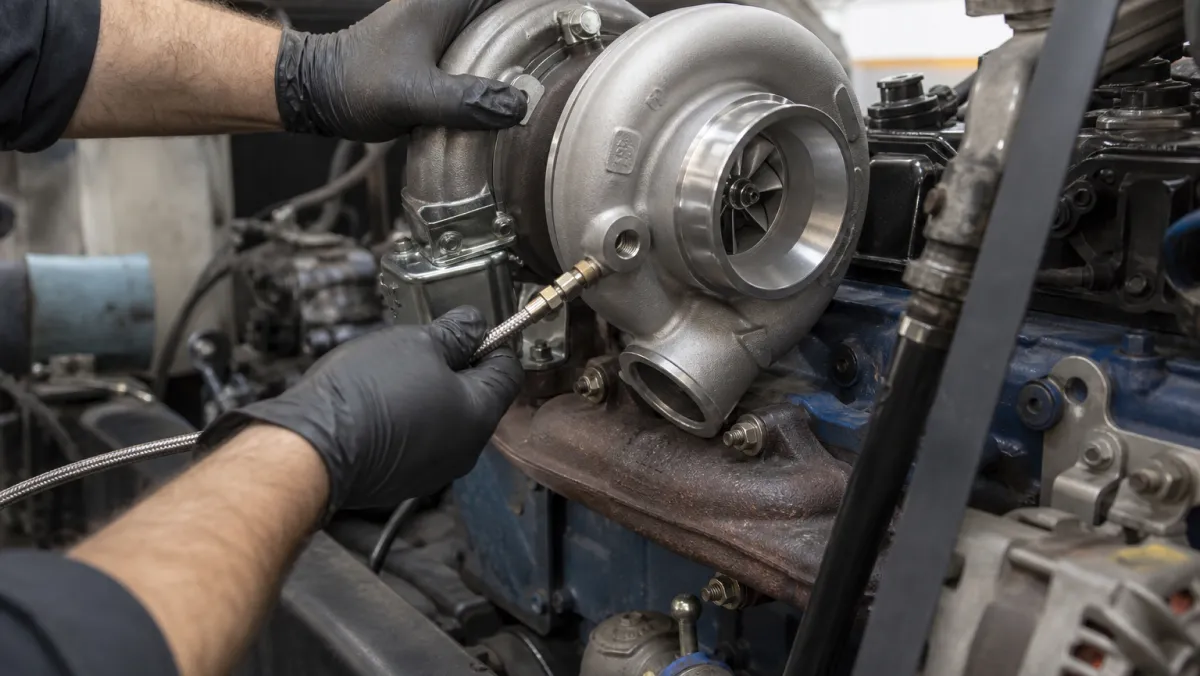
- Change the engine oil and filter before the new turbo goes on, and use the correct CK-4 specification oil.
- Inspect the oil feed line for coking or restriction. On high-mileage trucks, replacing the feed and drain lines is cheap insurance.
- Pre-lube the center housing by cranking the engine with fuel disabled until oil pressure shows, or by filling the feed port before startup.
- Check the intake and intercooler for oil or debris left by the old turbo, and confirm the exhaust manifold and gaskets seal cleanly.
- After installation, verify vane travel and actuator function with a scan tool, then road-test and confirm boost and exhaust brake operation.
- If the old turbo failed from soot or oil contamination, correct that root cause first. A new turbo installed into the same conditions will not last.
The bottom line for busy shops and fleets: when you order a 6.7 Cummins turbo, identify the truck by year and emissions level, lock in the OE part number, and choose a supplier whose warranty and stock position protect your schedule. Send us the OE number from the nameplate or the engine serial number, and we will confirm exact fitment against our US-stocked, brand-new inventory, backed by a one-year unlimited-mileage warranty and no core charge, before you commit to anything.

FAQ
On a well-maintained truck, 150,000 to 200,000 miles is a realistic service life, and many units go further. Trucks that idle heavily or run dusty routes often see actuator or vane-sticking issues earlier. Clean oil and correct CK-4 oil specification are the biggest life factors.
The common warnings are low-boost fault codes, slow spool-up, a change in the normal whistle, loss of exhaust brake function, black smoke under load, and oil appearing in the intake or exhaust. Any of these on a high-mileage truck justifies a boost and actuator check before the damage spreads.
No. The HE300VG and HE351VE use different actuators, connectors, and control calibrations, and the engine computer will not run the wrong unit correctly. Trucks from 2007 to 2012 need the HE351VE; 2013 and newer trucks need the HE300VG family matched to their year range.
Actuators are available separately, and on a lower-mileage turbo with a healthy center section that can be a valid repair. On a high-mileage unit, the labor to remove, rebuild, and recalibrate usually costs more than the difference, so a complete calibrated turbo is the safer spend. Our units ship complete with the actuator fitted and matched.
The fastest source is the nameplate on the existing turbo. If it is unreadable, a dealer or parts catalog can pull it by VIN, and the engine serial number works as well. Send us any of the three and we will confirm the exact match before you order.
For work trucks and fleet units, usually yes. A remanufactured turbo is a rebuilt used core, and its service life depends on the rebuilder's standards. A brand-new unit has no wear history, and ours carry no core charge, which removes the core return freight and paperwork from the job entirely.
Yes, as long as the replacement is the correct stock-specification VGT for the truck's year and emissions version. The exhaust brake on the 6-7 Cummins is a function of the turbo's vane control, which is one more reason matching the exact unit matters.