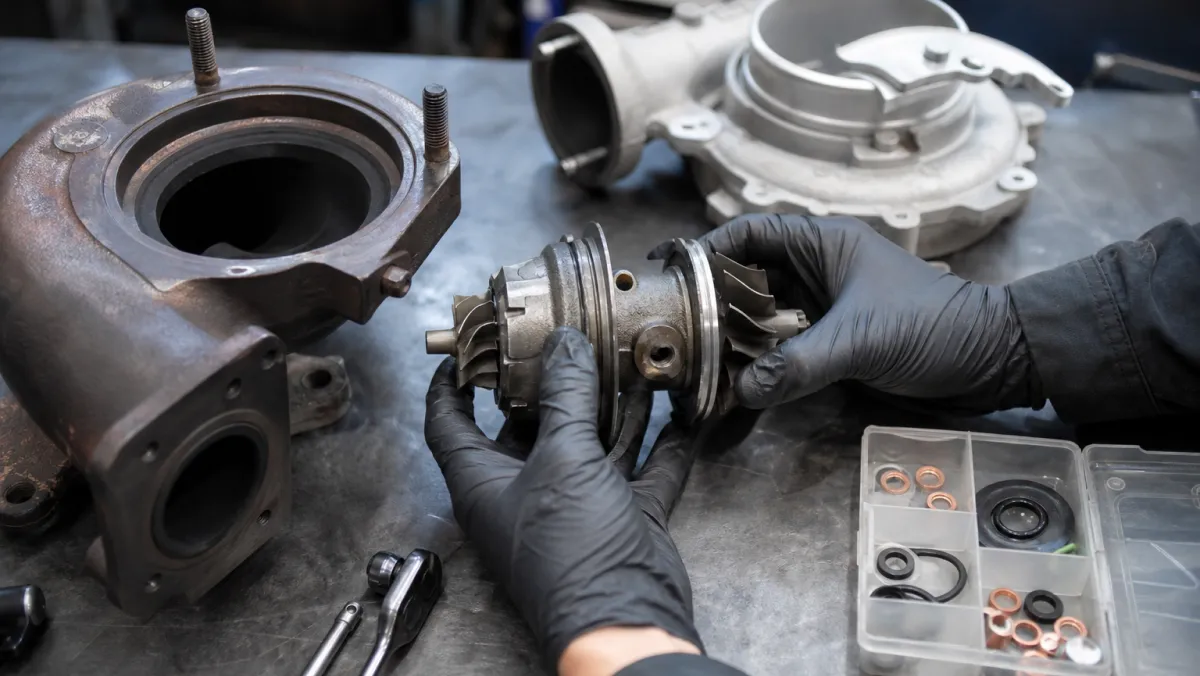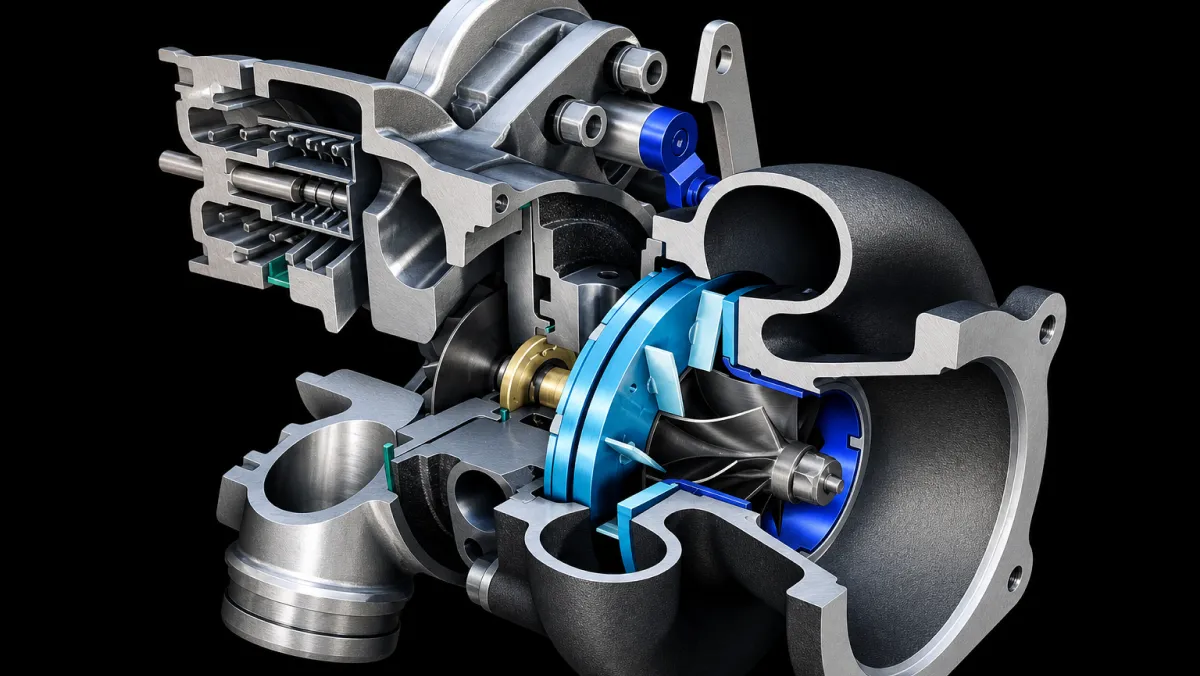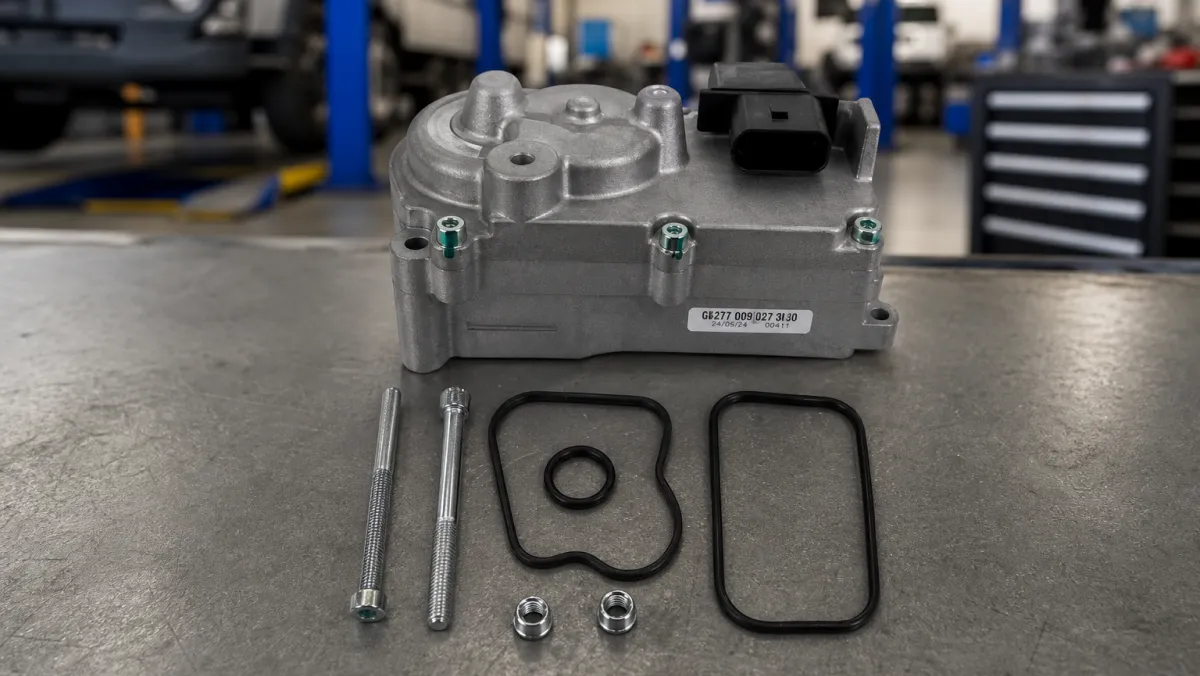
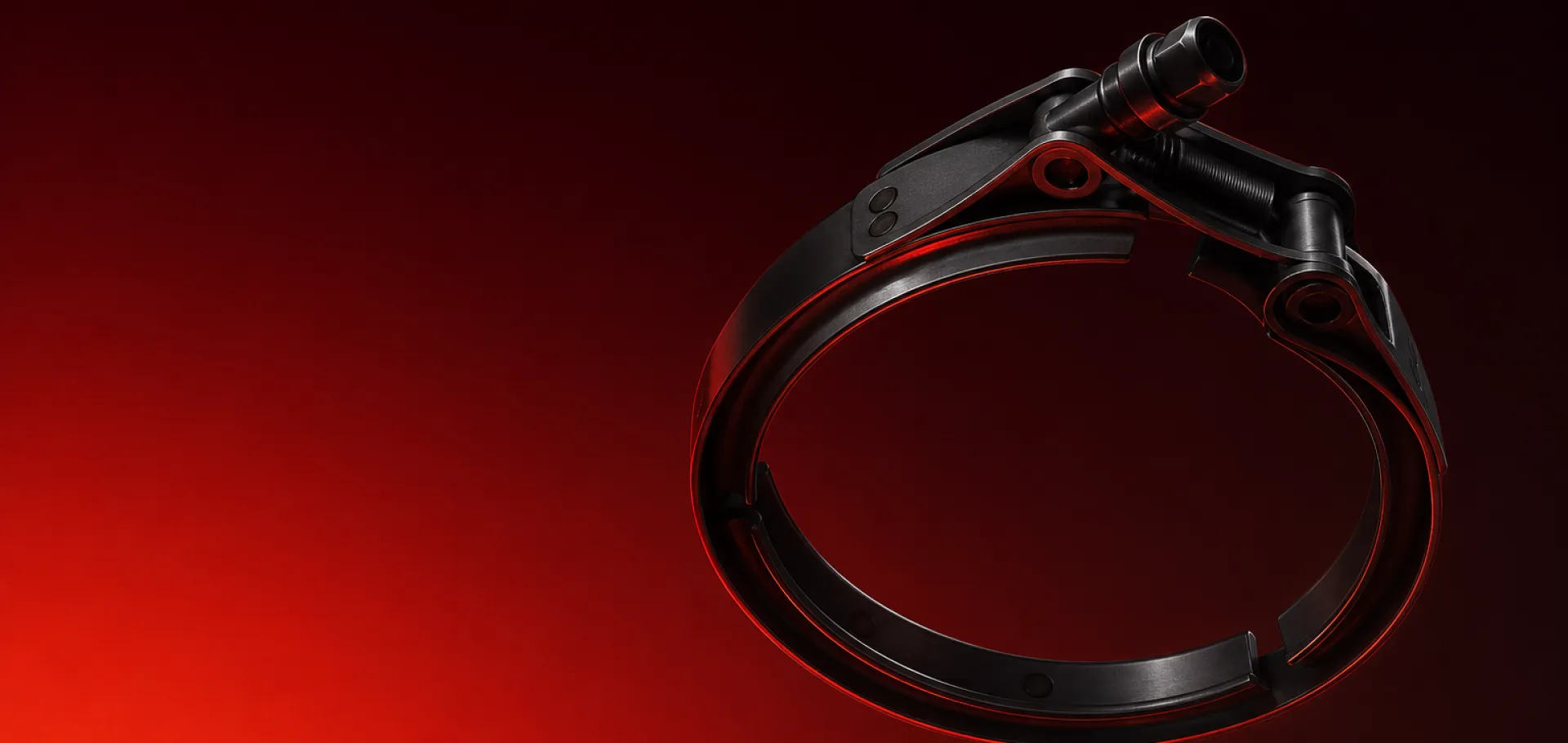
Brand new turbo V-band and T-bolt clamps for diesel turbocharger connections supplied by UPAPSI

Turbo T-Clamps

New V-Band and T-Bolt Clamps for Turbocharger Exhaust and Charge-Air Connections

Turbo clamps — V-band clamps and T-bolt clamps — secure the connections between the turbocharger and its exhaust and charge-air piping. They hold the turbine housing to the exhaust manifold, the compressor outlet to the charge pipe, and the downpipe to the turbine discharge. A loose or failed clamp causes exhaust leaks that kill turbo performance and boost leaks that rob the engine of power. We stock brand new turbo clamps matched to specific turbocharger models and connection sizes for Cummins, Detroit, CAT and other heavy-duty diesel platforms. US stock, no core charge.

  • 100% Brand New
  • OEM-Spec Quality
  • US Stock, Fast Dispatch
  • Direct-Fit Replacement
  • Stainless Steel Construction
  • 1-Year Warranty

Tight Connections, Zero Leaks — The Cheapest Insurance on a Turbo Job

A turbo clamp is a small part that causes big problems when it fails. Exhaust leaks from a loose turbine housing clamp waste energy that should be spinning the turbo wheel. Boost leaks from a failed charge-pipe clamp starve the engine of air. We stock the clamps matched to the turbo model so the connection seals correctly at rated pressure and temperature.

V-Band and T-Bolt Styles Available

Turbo clamp diameters and profiles vary by turbo model — the V-band on an HE300VG is a different size than the one on an HX55. We match by turbo model and connection position (turbine inlet, turbine outlet, compressor outlet) to ensure the clamp fits the flange.

Matched by Turbo Model and Connection Size

V-band clamps provide even clamping force around the full circumference of the joint — no high spots, no gaps. They are the standard connection type on modern heavy-duty turbochargers for both the hot side (exhaust) and cold side (charge air).

Stainless Steel for Exhaust Temperature

Turbine-side clamps operate at exhaust temperatures exceeding 700°C. Our clamps use stainless steel construction rated for sustained high-temperature service without relaxation or corrosion.

Replace at Every Turbo Service

Clamps stretch and lose tension over thermal cycles. Best practice is to replace the turbo clamps every time the turbo is removed for service — the cost is minimal compared to the risk of an exhaust or boost leak from a fatigued clamp.

A Loose Clamp Mimics Turbo Failure

A boost leak from a loose compressor-side clamp can cost five to ten percent of engine power. An exhaust leak from a loose turbine-side clamp reduces the energy reaching the turbine wheel and slows spool. Tight clamps at rated torque are free horsepower.

Low-Cost, High-Impact Service Item

One-year warranty on every clamp. See the warranty page.

V-Band and T-Bolt Styles Available

Turbo clamp diameters and profiles vary by turbo model — the V-band on an HE300VG is a different size than the one on an HX55. We match by turbo model and connection position (turbine inlet, turbine outlet, compressor outlet) to ensure the clamp fits the flange.

Matched by Turbo Model and Connection Size

V-band clamps provide even clamping force around the full circumference of the joint — no high spots, no gaps. They are the standard connection type on modern heavy-duty turbochargers for both the hot side (exhaust) and cold side (charge air).

Stainless Steel for Exhaust Temperature

Turbine-side clamps operate at exhaust temperatures exceeding 700°C. Our clamps use stainless steel construction rated for sustained high-temperature service without relaxation or corrosion.

Replace at Every Turbo Service

Clamps stretch and lose tension over thermal cycles. Best practice is to replace the turbo clamps every time the turbo is removed for service — the cost is minimal compared to the risk of an exhaust or boost leak from a fatigued clamp.

A Loose Clamp Mimics Turbo Failure

A boost leak from a loose compressor-side clamp can cost five to ten percent of engine power. An exhaust leak from a loose turbine-side clamp reduces the energy reaching the turbine wheel and slows spool. Tight clamps at rated torque are free horsepower.

Low-Cost, High-Impact Service Item

One-year warranty on every clamp. See the warranty page.

The right clamp, matched to your turbo connection

WHY CHOOSE US

The right clamp, matched to your turbo connection

We match by turbo model and connection position, hold common sizes on a US shelf, and include clamps in turbo service kits on request. More about our company and quality process.

FAQ

We carry V-band clamps and T-bolt clamps for turbocharger connections. V-band clamps are the standard for turbine housing inlet and outlet connections on Holset, Garrett and BorgWarner turbochargers. T-bolt clamps are used on some charge-air connections. Sizes are matched to specific turbo models.

By turbo model and connection position. Specify the turbo model (HE300VG, HE400VG, HX55, GT3782V, etc.) and which connection the clamp is for (turbine inlet, turbine outlet, or compressor outlet). We match the correct diameter and profile.

Yes. Turbo clamps are inexpensive and subject to thermal fatigue — they lose clamping force over repeated heat cycles. Replacing them during any turbo service is best practice and eliminates the risk of a post-service leak.

Stainless steel, rated for sustained exhaust temperatures. Turbine-side clamps must withstand temperatures above 700°C without relaxation. Compressor-side clamps operate at lower temperatures but still require corrosion resistance.

All clamps are 100% brand new. No reused or reconditioned clamps. One-year warranty.

Yes. Shops order clamps alongside turbo parts as routine service items. Consistent wholesale pricing from US stock. See the wholesale page.

Turbo Clamp Guide

Turbo clamps are the simplest parts in the turbocharger system — and among the most overlooked. A tight clamp at rated torque costs nothing and prevents problems that mimic turbo failure.

V-Band vs T-Bolt Clamps

V-band clamps use a V-shaped channel that wedges two flanges together as the clamp is tightened — they provide uniform clamping force and allow angular adjustment of the connected components. T-bolt clamps use a bolt-and-strap design that wraps around a hose or pipe connection. On modern heavy-duty turbochargers, V-band clamps are standard for metal-to-metal connections (housings, downpipes), while T-bolt clamps are used on silicone or rubber charge-air connections.

Why Clamps Fail

Thermal cycling is the primary cause. Each heat cycle — engine start to operating temperature to shutdown — expands and contracts the clamp. Over thousands of cycles, the stainless steel loses tension and the clamping force drops. A clamp that was torqued correctly at installation can be loose after a year of service. Corrosion from road salt, moisture and exhaust condensation also attacks clamp hardware over time.

Torque Matters

Under-torquing a V-band clamp allows the joint to leak under boost or exhaust pressure. Over-torquing can deform the V-band channel or crack the flange. Use a torque wrench and follow the turbo manufacturer's specification — typical V-band torque on heavy-duty turbochargers ranges from 80 to 120 inch-pounds depending on the clamp size and material.