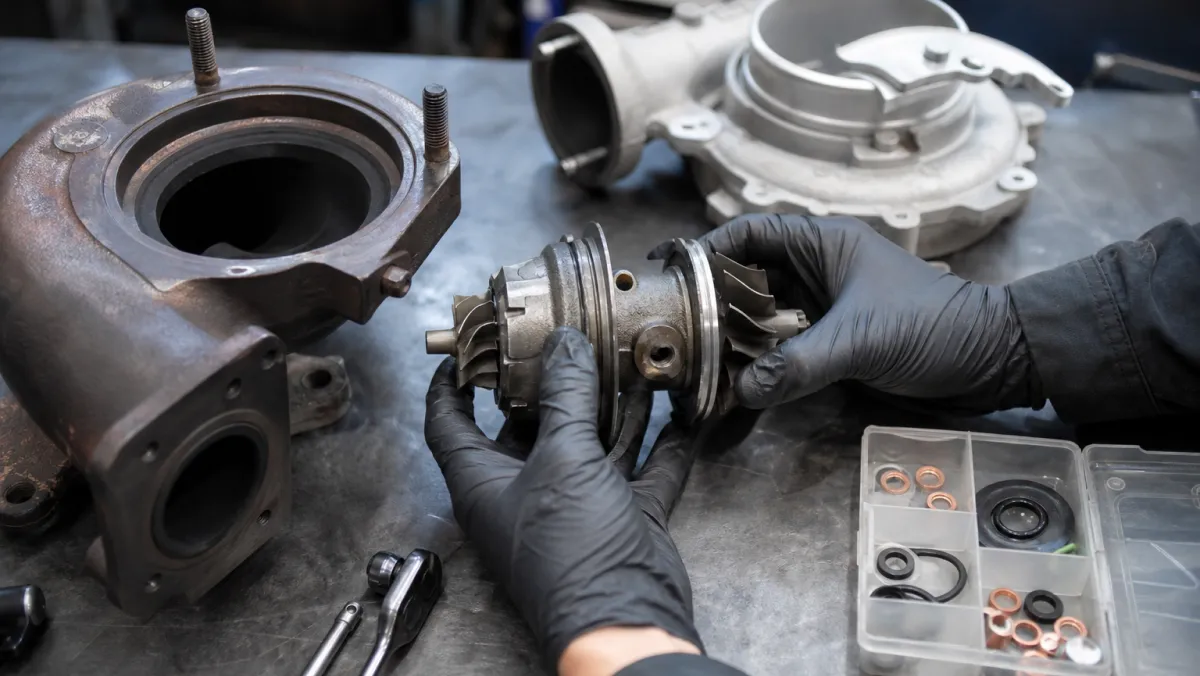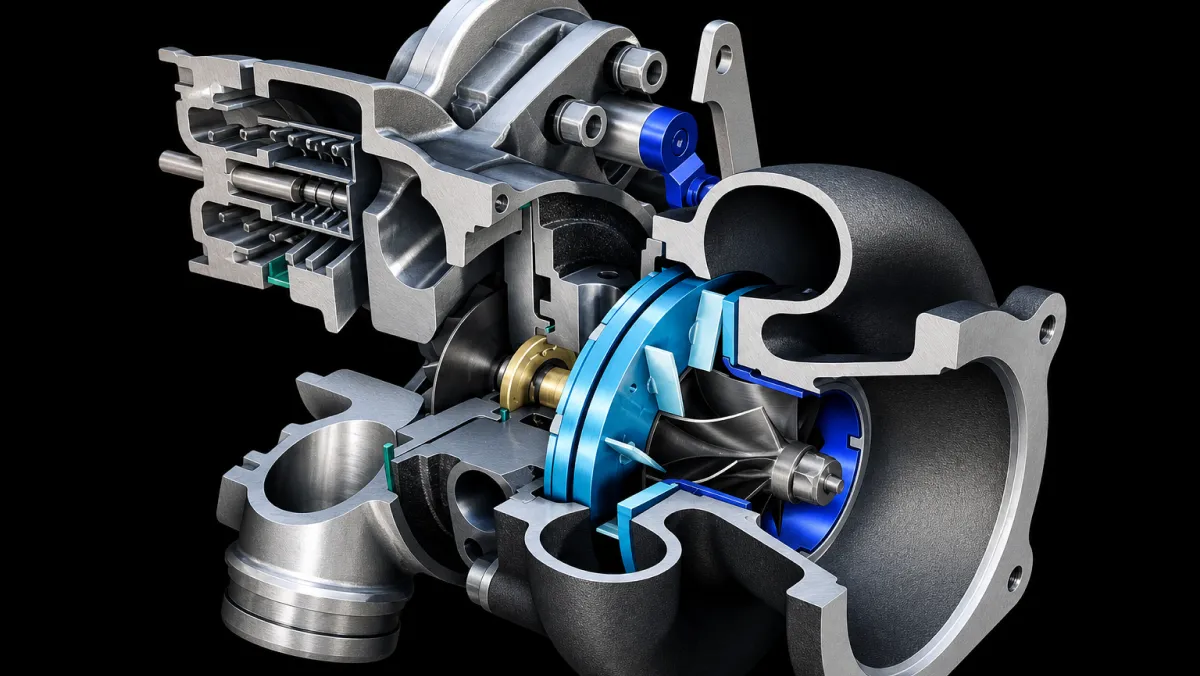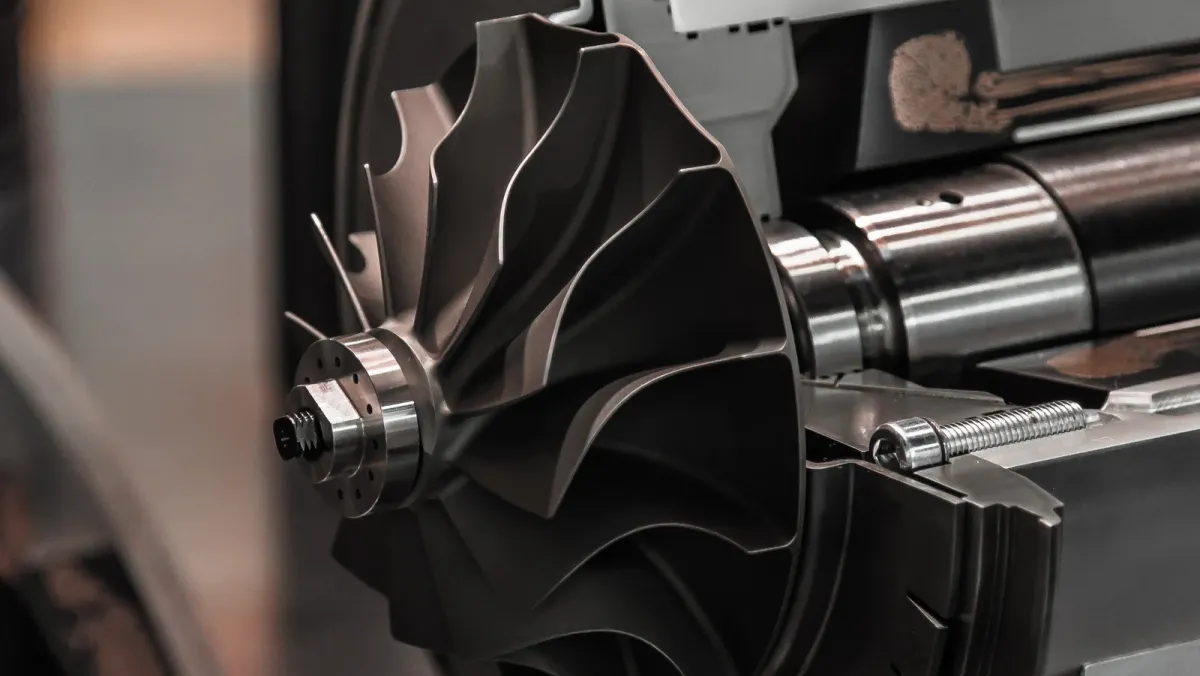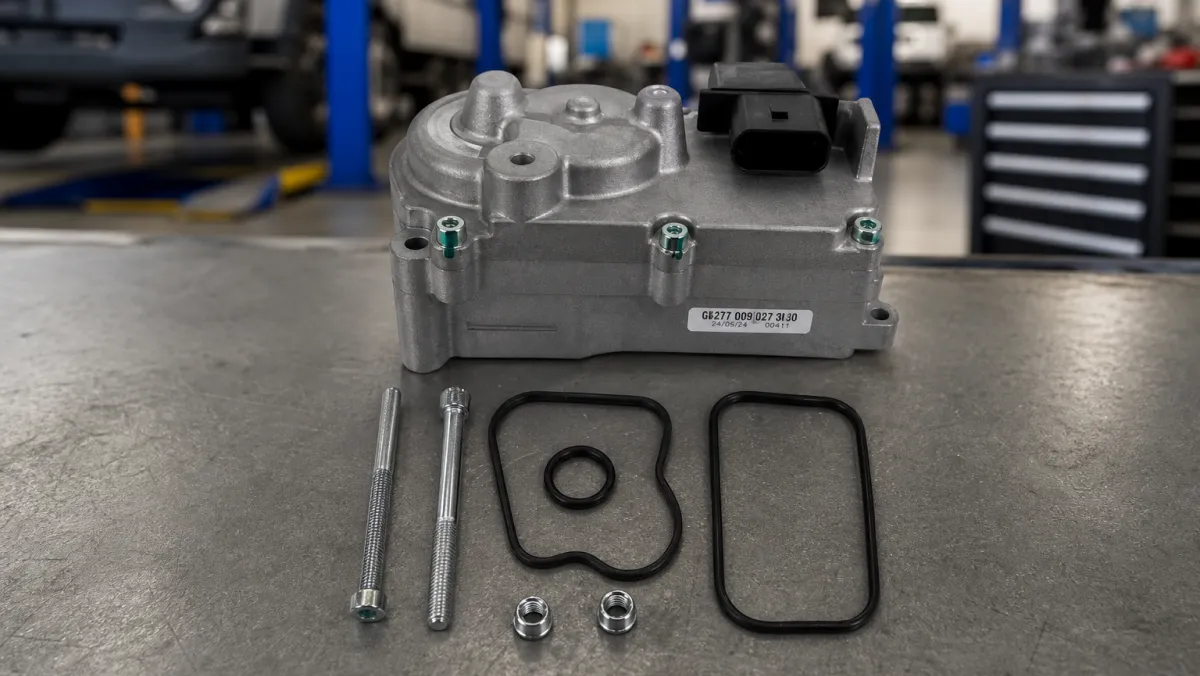
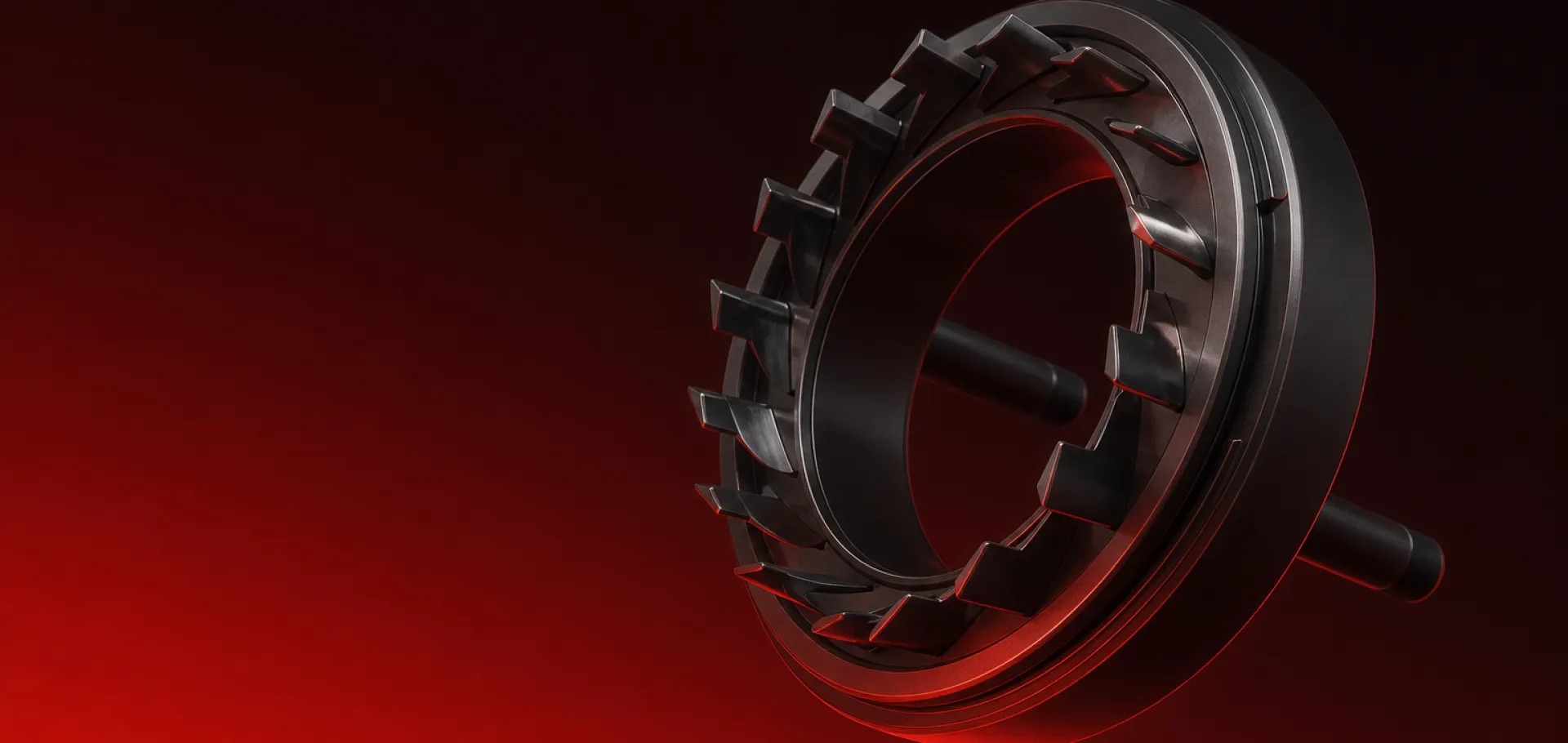
Brand new VGT turbo nozzle ring assemblies for Holset variable geometry turbochargers supplied by UPAPSI

Turbo Nozzle Rings

New VGT Nozzle Ring Assemblies for Holset Variable Geometry Turbochargers

The nozzle ring is the component that makes a VGT turbocharger variable — a ring of adjustable vanes inside the turbine housing that the electronic actuator rotates to control exhaust flow angle, boost pressure, EGR rate and exhaust brake force. It is also the component that fails most often on VGT turbos: exhaust soot coats the vanes, they start to stick, the actuator overworks, and eventually the system loses the ability to control boost. We stock brand new nozzle ring assemblies for Holset VGT turbochargers including HE300VG, HE400VG, HE351VE, HE451VE and other VGT families used on Cummins, Detroit, Volvo and PACCAR engines. Each assembly includes the vane ring, unison ring and vanes, matched by turbo model. US stock, no core charge.

  • 100% Brand New
  • OEM-Spec Quality
  • US Stock, Fast Dispatch
  • Direct-Fit Replacement
  • Exact Part-Number Match
  • 1-Year Warranty
  • No Core Charge

The VGT Component That Fails First — And the Definitive Fix

The nozzle ring is the VGT's wear item — the part that accumulates soot, sticks, and eventually drives the turbo replacement decision. On many trucks, the turbo body is still healthy but the nozzle ring is jammed. Replacing the nozzle ring assembly saves the cost of a complete turbo when the CHRA, wheels and housings are still in spec.

The VGT Part That Accumulates Soot First

The nozzle ring sits directly in the exhaust stream. Soot accumulates on the vane surfaces, the unison ring that synchronizes them starts to drag, and eventually the vanes bind. This is the number one failure mode on every Holset VGT — from the HE351VE on the Ram to the HE400VG on the X15. A new nozzle ring with clean vanes resets the mechanism.

Complete Vane Assembly, Drop-In Ready

Every nozzle ring we ship is a complete assembly — vane ring, individual vanes, unison ring, and retaining hardware. It drops into the turbine housing as a unit. No need to source individual vanes or attempt to clean and reuse a soot-packed original.

Saves a Full Turbo When the Body Is Healthy

Nozzle rings are specific to the turbo model — the vane count, vane profile, ring diameter and unison ring geometry differ between the HE300VG, HE400VG, HE351VE, HE451VE and other VGT families. We match by turbo model and part number.

Matched by Turbo Model and Vane Count

If the CHRA bearings are tight, the compressor and turbine wheels are undamaged, and the actuator responds correctly, the nozzle ring is the only component that needs replacing. A nozzle ring costs a fraction of a complete turbo — the rebuild math makes sense for shops that do the work in-house.

Ships New — Cleaning Old Rings Is Temporary

We stock nozzle rings for the Holset VGT families most commonly serviced in North America: HE300VG, HE351VE, HE400VG, HE431VE, HE451VE, HE531VE and related models.

The Highest-Volume VGT Rebuild Component

One-year warranty on every nozzle ring. See the warranty page.

The VGT Part That Accumulates Soot First

The nozzle ring sits directly in the exhaust stream. Soot accumulates on the vane surfaces, the unison ring that synchronizes them starts to drag, and eventually the vanes bind. This is the number one failure mode on every Holset VGT — from the HE351VE on the Ram to the HE400VG on the X15. A new nozzle ring with clean vanes resets the mechanism.

Complete Vane Assembly, Drop-In Ready

Every nozzle ring we ship is a complete assembly — vane ring, individual vanes, unison ring, and retaining hardware. It drops into the turbine housing as a unit. No need to source individual vanes or attempt to clean and reuse a soot-packed original.

Saves a Full Turbo When the Body Is Healthy

Nozzle rings are specific to the turbo model — the vane count, vane profile, ring diameter and unison ring geometry differ between the HE300VG, HE400VG, HE351VE, HE451VE and other VGT families. We match by turbo model and part number.

Matched by Turbo Model and Vane Count

If the CHRA bearings are tight, the compressor and turbine wheels are undamaged, and the actuator responds correctly, the nozzle ring is the only component that needs replacing. A nozzle ring costs a fraction of a complete turbo — the rebuild math makes sense for shops that do the work in-house.

Ships New — Cleaning Old Rings Is Temporary

We stock nozzle rings for the Holset VGT families most commonly serviced in North America: HE300VG, HE351VE, HE400VG, HE431VE, HE451VE, HE531VE and related models.

The Highest-Volume VGT Rebuild Component

One-year warranty on every nozzle ring. See the warranty page.

Clean vanes, matched to your VGT, ready to install

WHY CHOOSE US

Clean vanes, matched to your VGT, ready to install

We match the nozzle ring to your turbo model, hold common VGT assemblies on a US shelf, and ship fast. More about our company and quality process.

FAQ

The nozzle ring is a set of adjustable vanes inside the turbine housing of a VGT turbocharger. The electronic actuator rotates these vanes to change the angle at which exhaust gas hits the turbine wheel. Closing the vanes accelerates exhaust flow for more boost at low RPM and activates the exhaust brake; opening them allows more volume through at high RPM. The nozzle ring makes the turbo "variable" — without it, the turbo would be fixed geometry.

Common symptoms of a failing nozzle ring: weak or dead exhaust brake (the first sign on most trucks), slow boost response, VGT position fault codes (SPN 2387, P2262, P003A), over-boost or under-boost conditions, and visible soot buildup when the intake pipe is removed and the vane mechanism is inspected. If the vanes do not move freely through their full range by hand, the nozzle ring needs service or replacement.

Cleaning can work as a temporary measure if the soot buildup is light and the vanes still move. However, heavy soot that has baked onto the vane surfaces and unison ring track does not clean completely — microscopic deposits remain in the bearing surfaces between the vanes and the ring, causing the mechanism to stick again within months. A new nozzle ring is the definitive fix.

Yes. Every nozzle ring ships as a complete assembly: vane ring, individual vanes, unison ring and retaining hardware. It installs as a unit into the turbine housing.

All units are 100% brand new. No cleaned or reconditioned assemblies. OEM-spec dimensions, one-year warranty.

Yes. Turbo rebuild shops order nozzle rings as high-volume consumables. Consistent wholesale pricing from US stock. See the wholesale page.

VGT Nozzle Ring Guide

The nozzle ring is the defining component of every variable geometry turbocharger. Understanding how it works, why it fails, and when to replace it helps shops make the right rebuild decisions.

How the Nozzle Ring Controls Boost

The nozzle ring contains a set of aerodynamic vanes arranged in a circle inside the turbine housing, positioned just upstream of the turbine wheel. An electronic actuator connected to the engine ECM rotates these vanes through an angular range. When the vanes close (small opening angle), exhaust gas velocity increases — this spins the turbine wheel faster at low RPM for quicker boost response. When the vanes open (large angle), more exhaust volume passes through with less restriction — this prevents over-boosting at high RPM. The ECM commands vane position thousands of times per minute based on load, RPM, ambient conditions and emissions requirements.

Why Nozzle Rings Fail

The nozzle ring sits in the hottest, dirtiest part of the turbocharger — directly in the exhaust stream. Soot from incomplete combustion deposits on every surface: the vane faces, the pivot pins, the unison ring track, and the bearing surfaces where each vane rotates. Over time, these deposits restrict movement. The actuator compensates by working harder, which accelerates actuator wear. Trucks that idle heavily, run short trips, or operate with marginal oil change intervals accumulate soot fastest. Regular use of the exhaust brake actually helps — cycling the vanes through their full range under backpressure scrubs some soot off the contact surfaces.

Nozzle Ring Replacement vs Complete Turbo

Replacing the nozzle ring makes economic sense when the rest of the turbo is healthy. Check the CHRA for shaft play (radial and axial), inspect the compressor and turbine wheels for damage, and test the actuator independently. If all three pass, the nozzle ring is the only component that needs replacing — and it costs a fraction of a complete turbo assembly. Shops that rebuild VGT turbos in-house typically stock nozzle rings as their highest-volume turbo part.