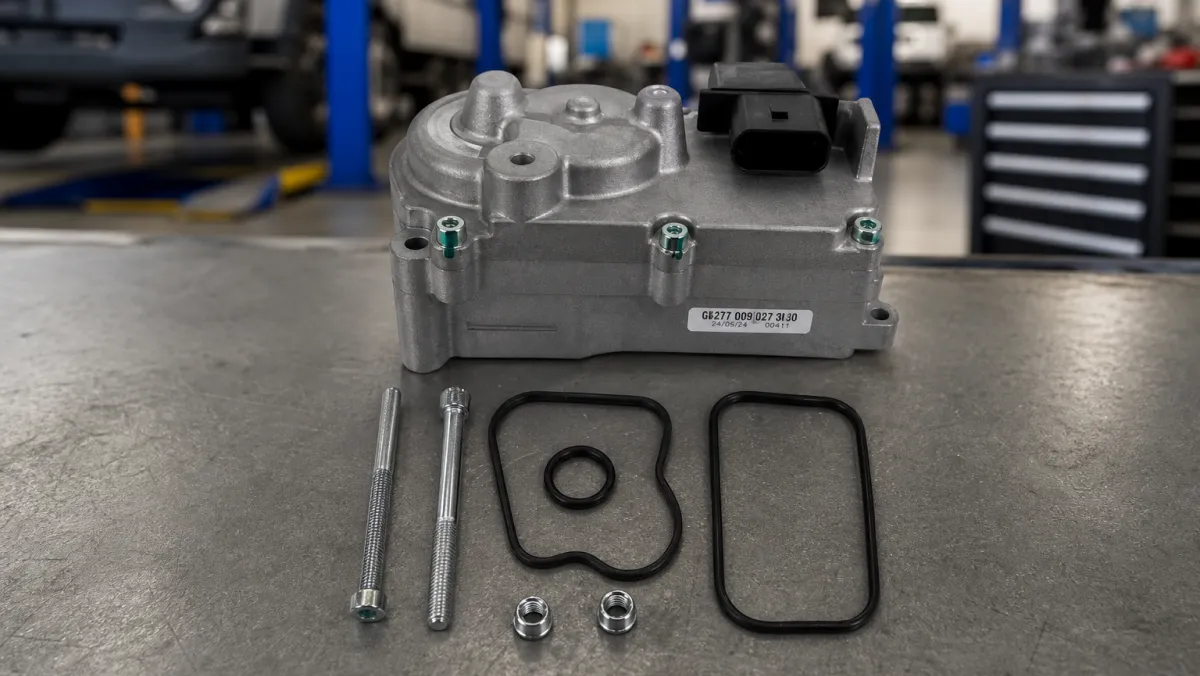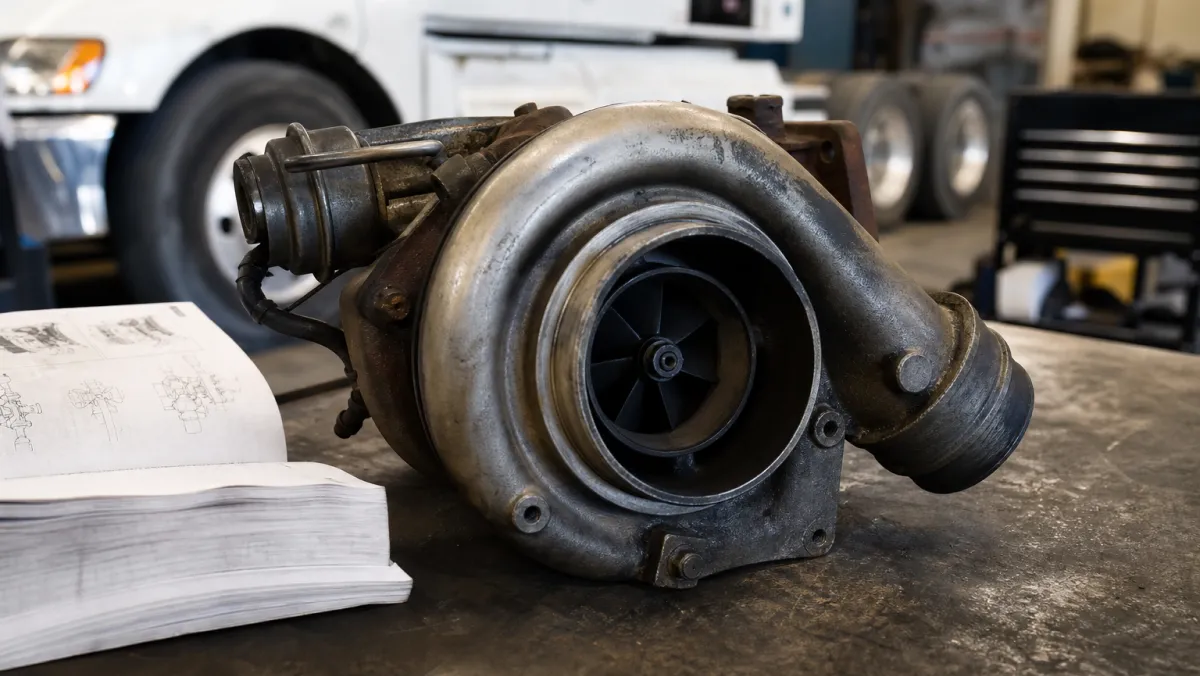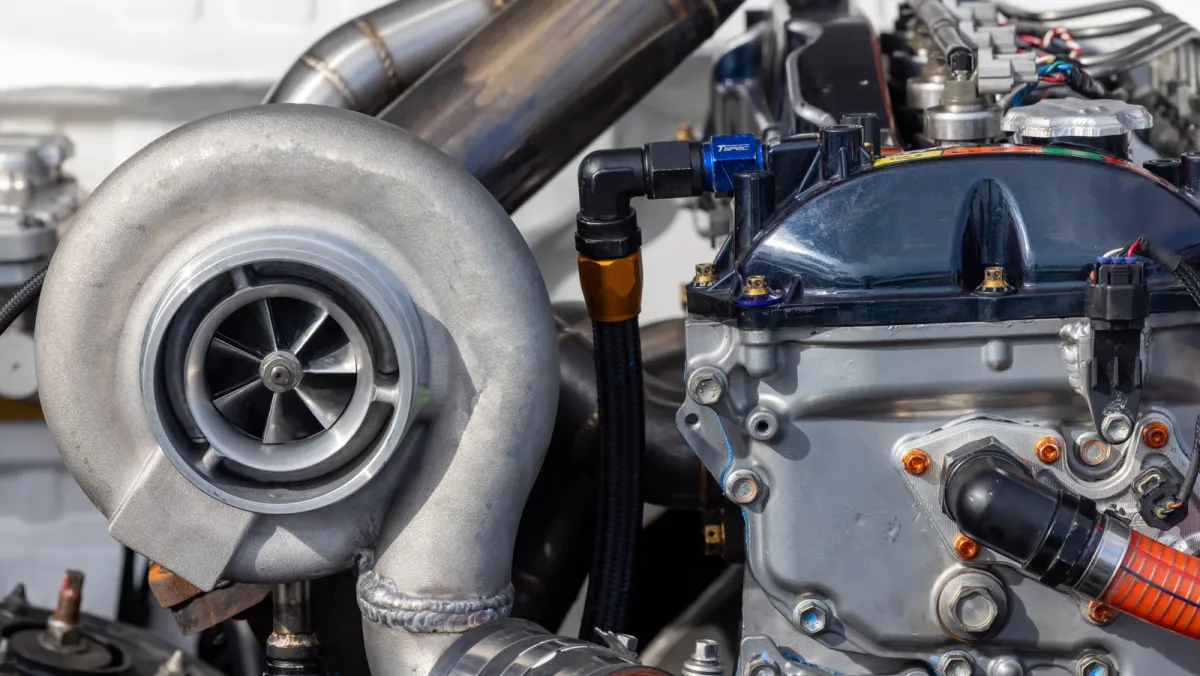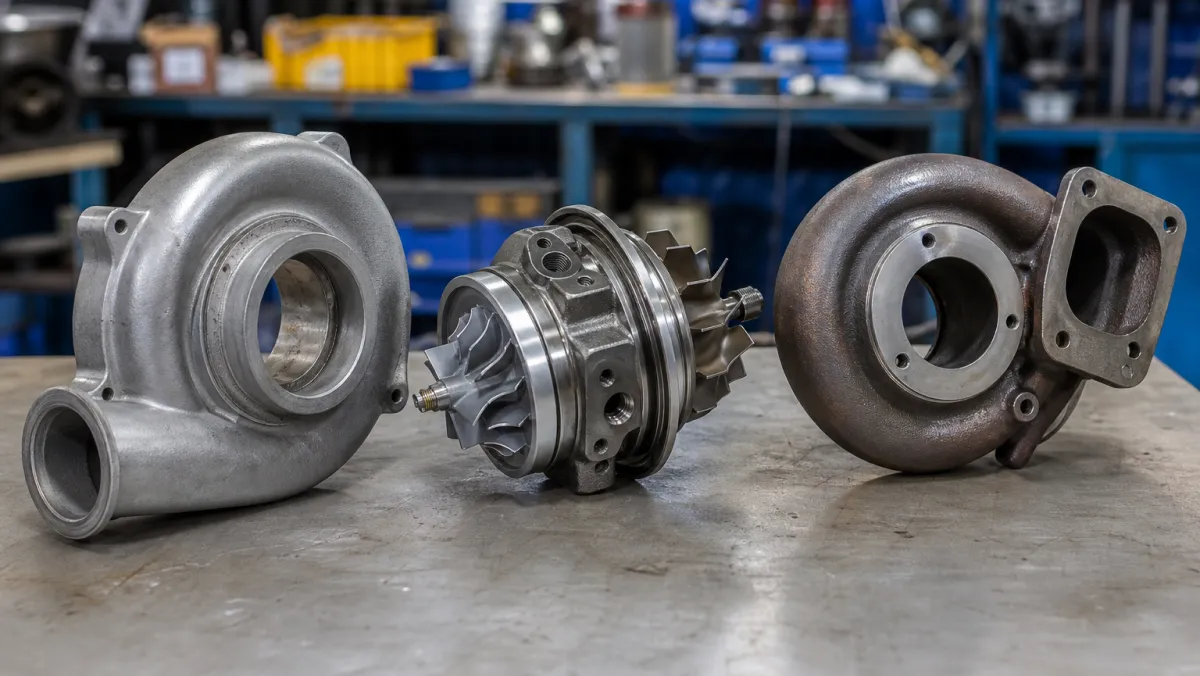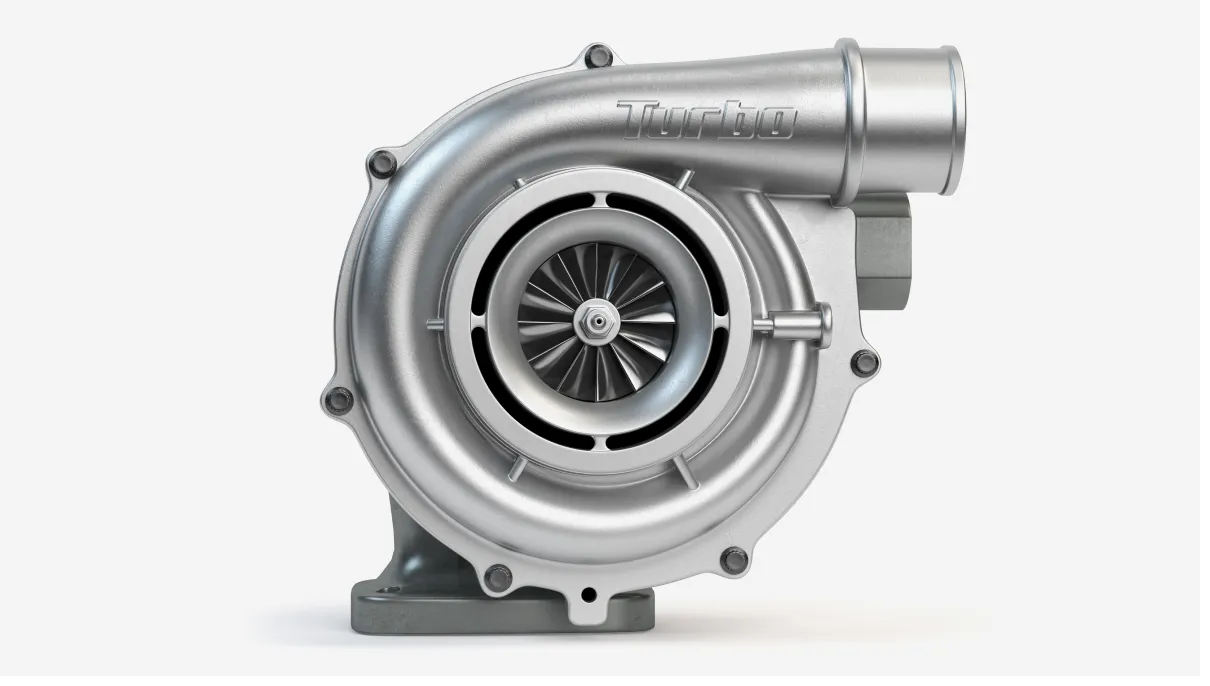
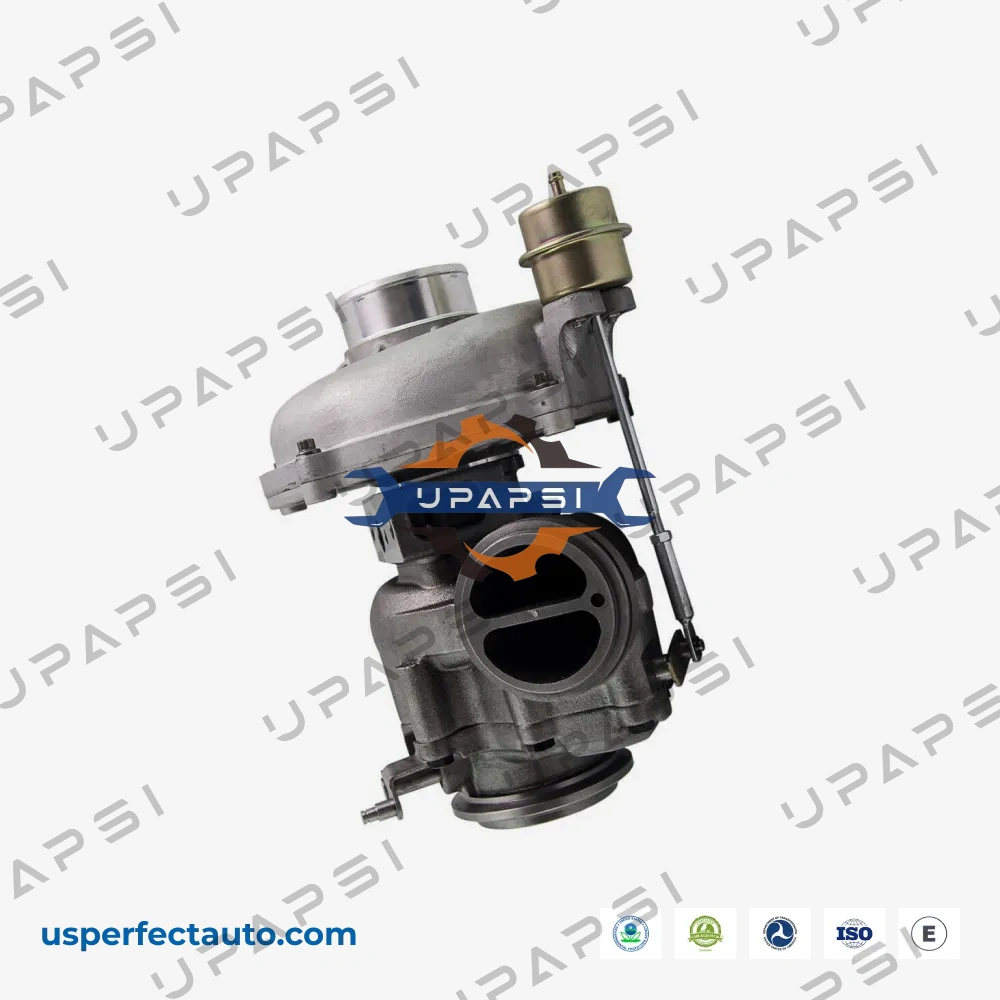
GTP38 Turbocharger for 1999.5-2003 Ford F-250 F-350 Super Duty 7.3L Power Stroke
702012-0010, 702650-0001, 1831383C92, 1831383C93, 1831383C94, 1831450C91, 1831450C94
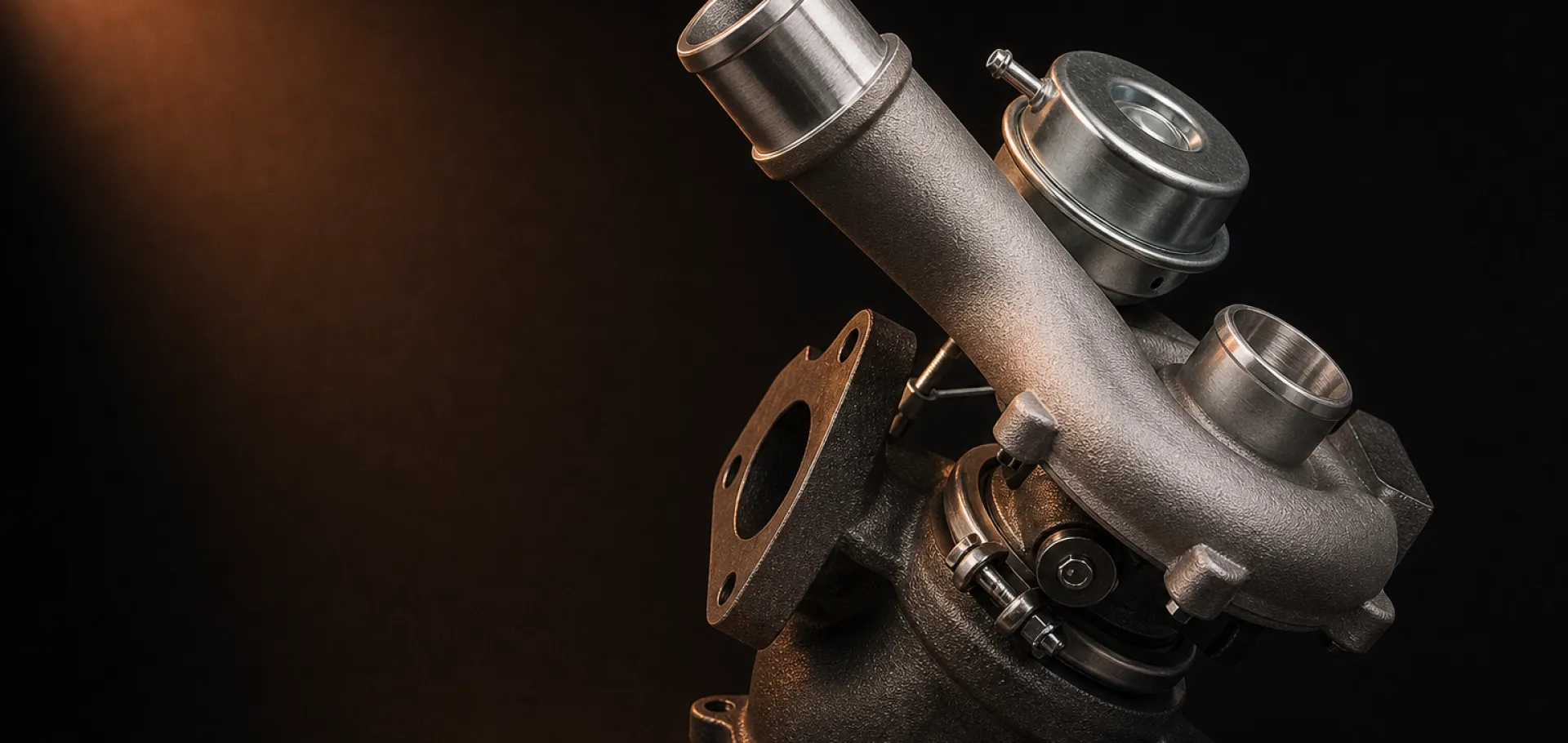
New Replacement Turbochargers for Powerstroke Diesel and EcoBoost Gas Engines
Ford put turbos on everything — from the 7.3L Powerstroke that launched diesel pickup culture to the 2.0L EcoBoost that runs the Escape. We stock brand new replacement turbochargers across the full Ford turbo lineup. On the Powerstroke side: the Garrett GTP38 for the 1999.5-2003 7.3L, the GT3782V for the 2004-2007 6.0L, and the BorgWarner V2S compound twin-turbo system for the 2008-2010 6.4L — both high-pressure and low-pressure units. On the EcoBoost side: BorgWarner K03 turbochargers for the 2.0L and 2.7L, and MGT1549SL/GT1549SL for the 3.5L V6 in the F-150, Expedition and Lincoln applications. Every unit is new-built, balanced, and matched by the Ford or OEM part number on your old turbo before it ships. Shops, fleets and distributors order from US stock.
702012-0010, 702650-0001, 1831383C92, 1831383C93, 1831383C94, 1831450C91, 1831450C94
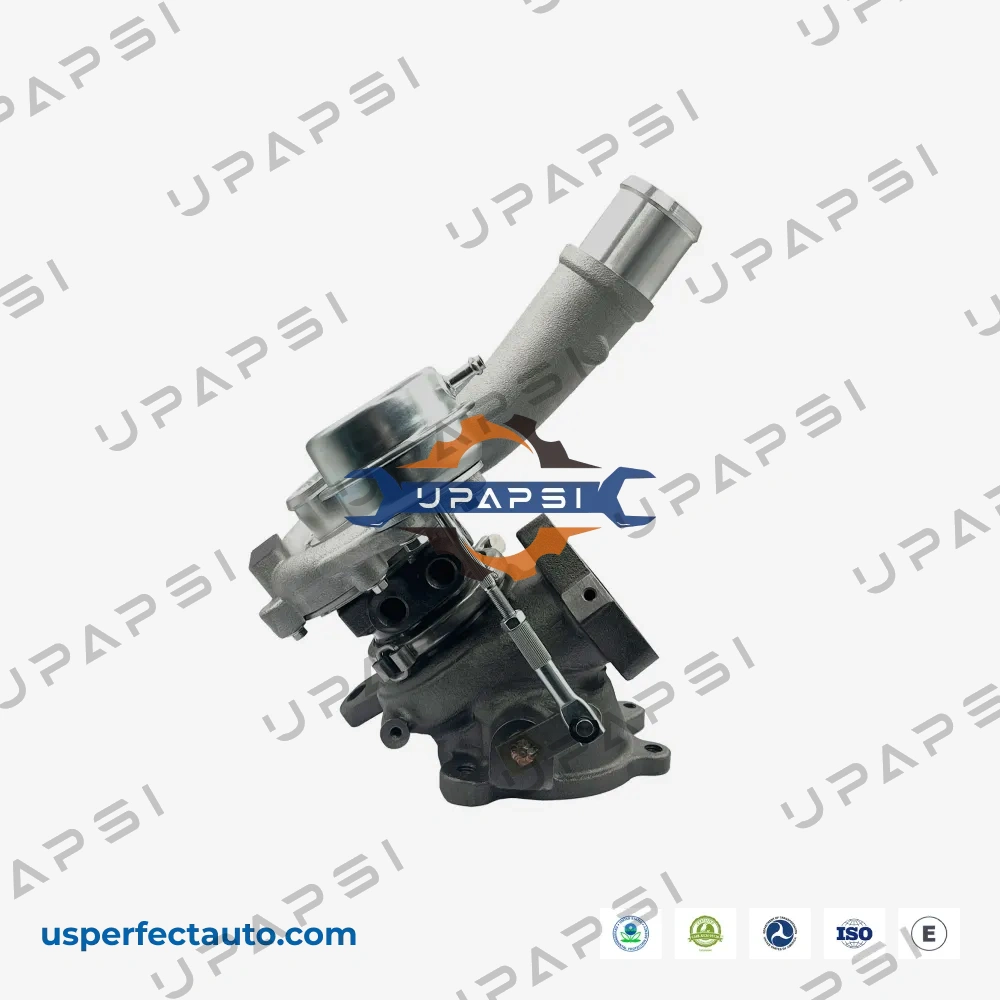
790318-0001, 790318-0002, 790318-0003, 790318-0004, 790318-5004S, 790318-0006
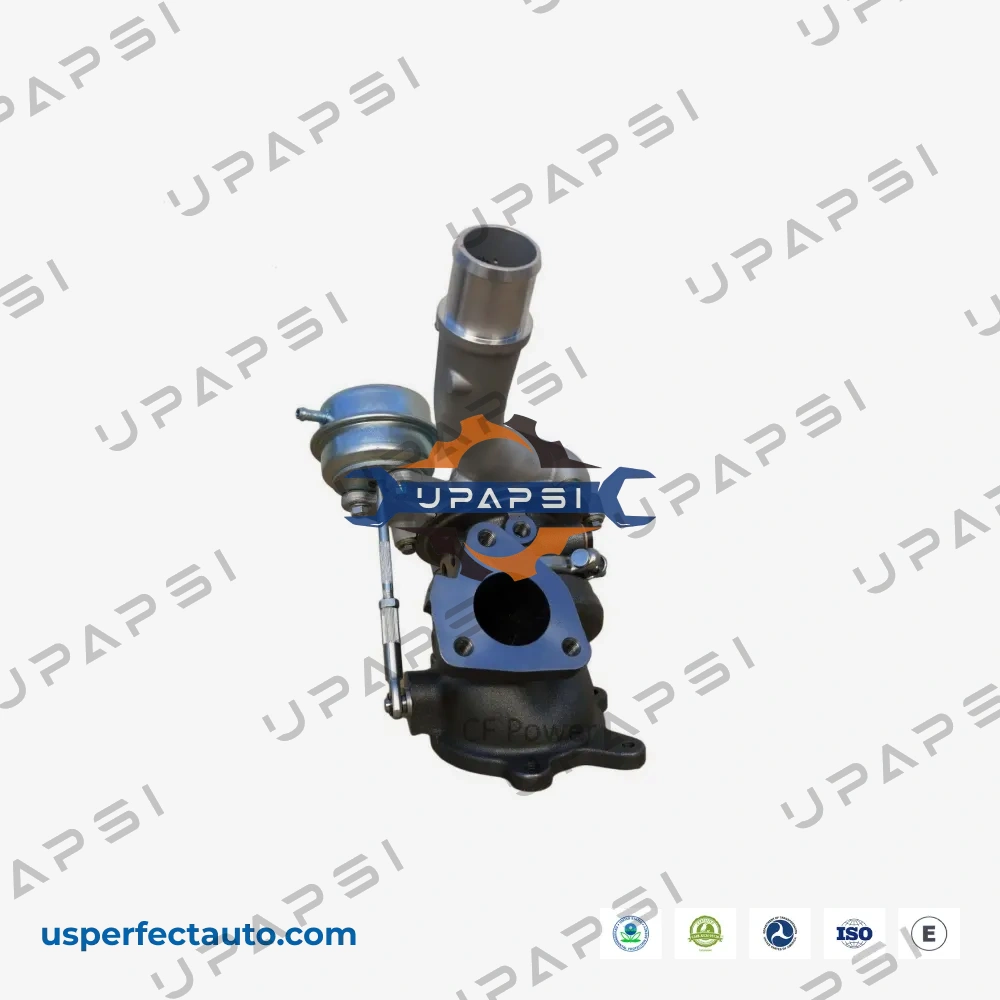
790317-5003S, 790317-0003, 790318-0002, AA5Z6K682CA, AA5E9G438GD, AA5E9G438GE
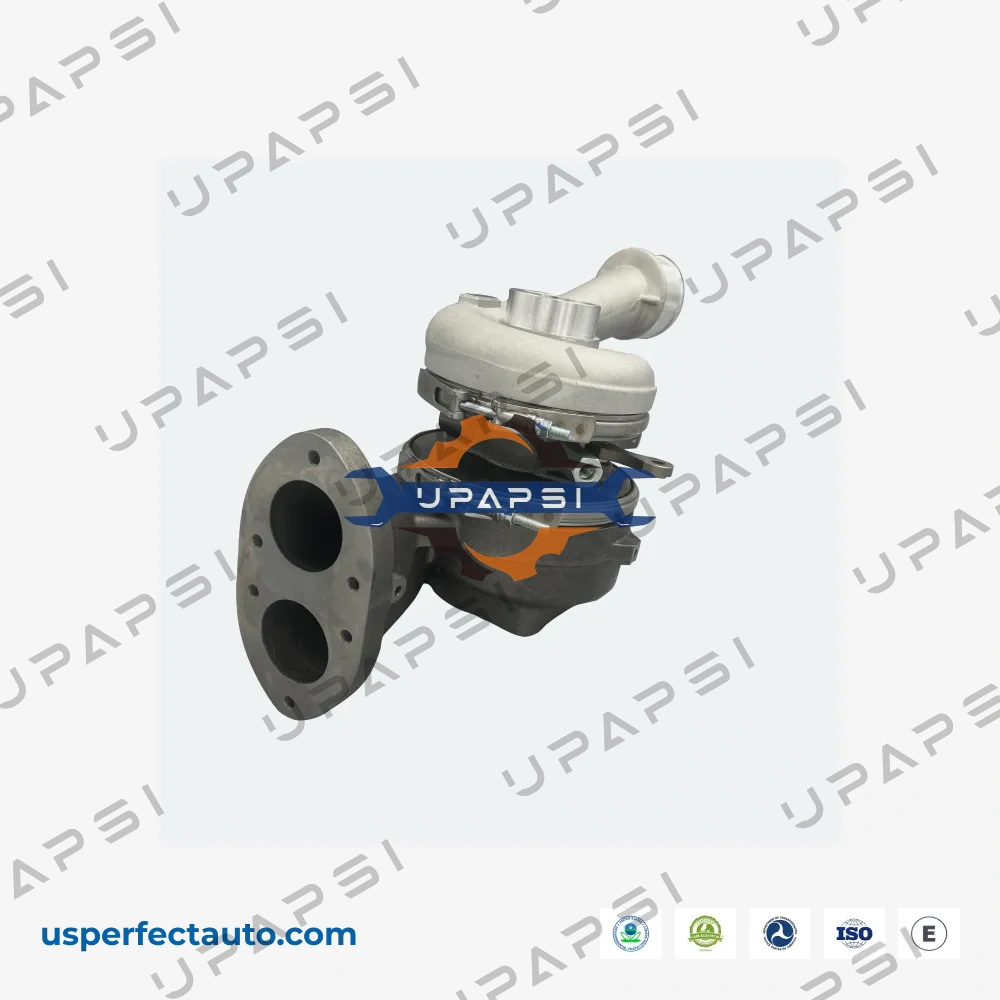
1848300C92, 1848300C93, 5010361R92, 1848303C1, 1848300C94, 1848300C95
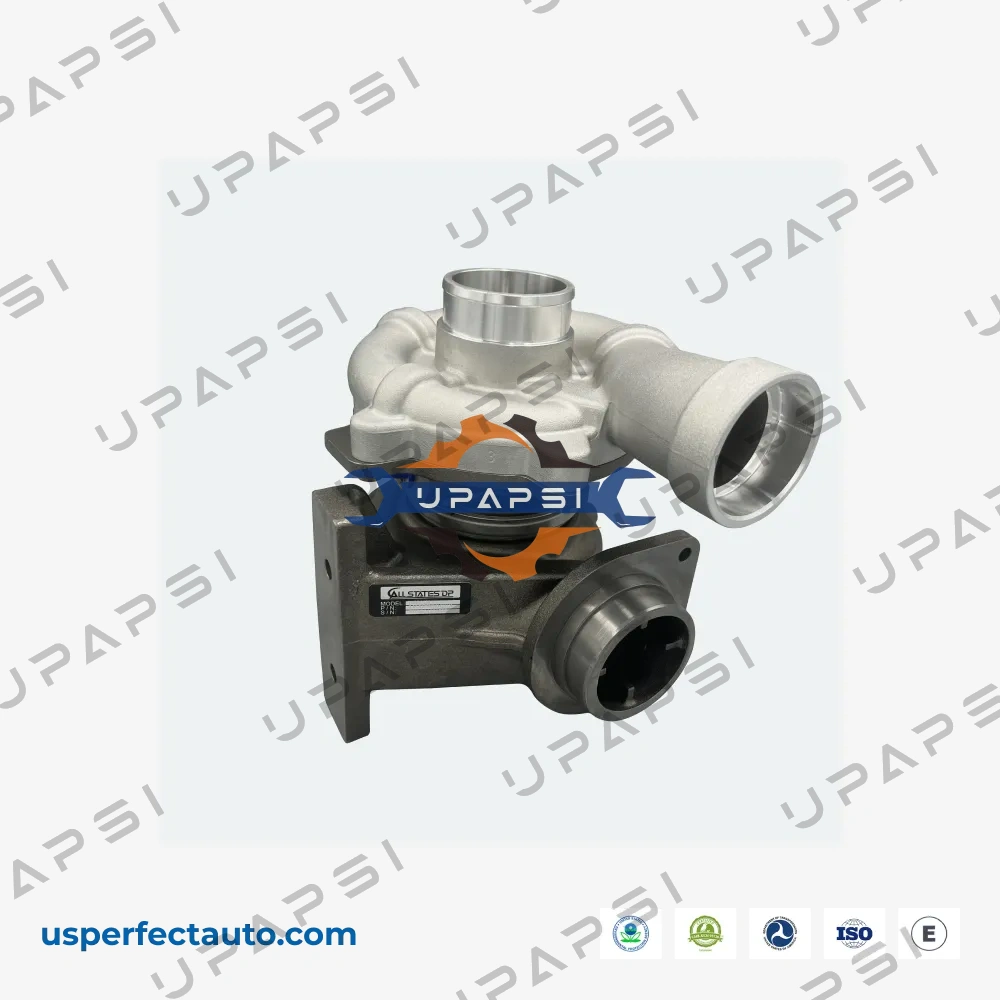
1848300C92, 1848300C93, 1848300C98, 5010361R92, 1848303C1, 1848300C94, 1848300C95
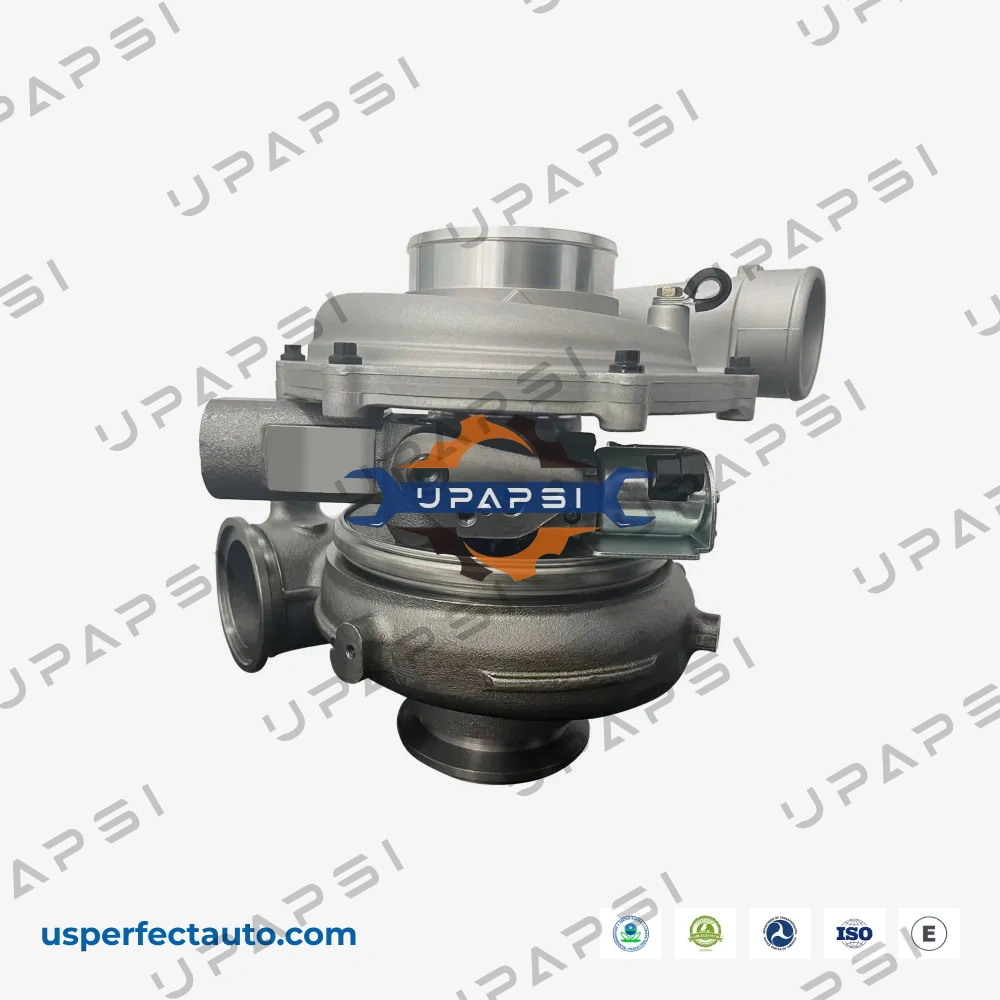
743250-5013S, 1837984C93, 1837984C91, 1840054C98, 1840054C97
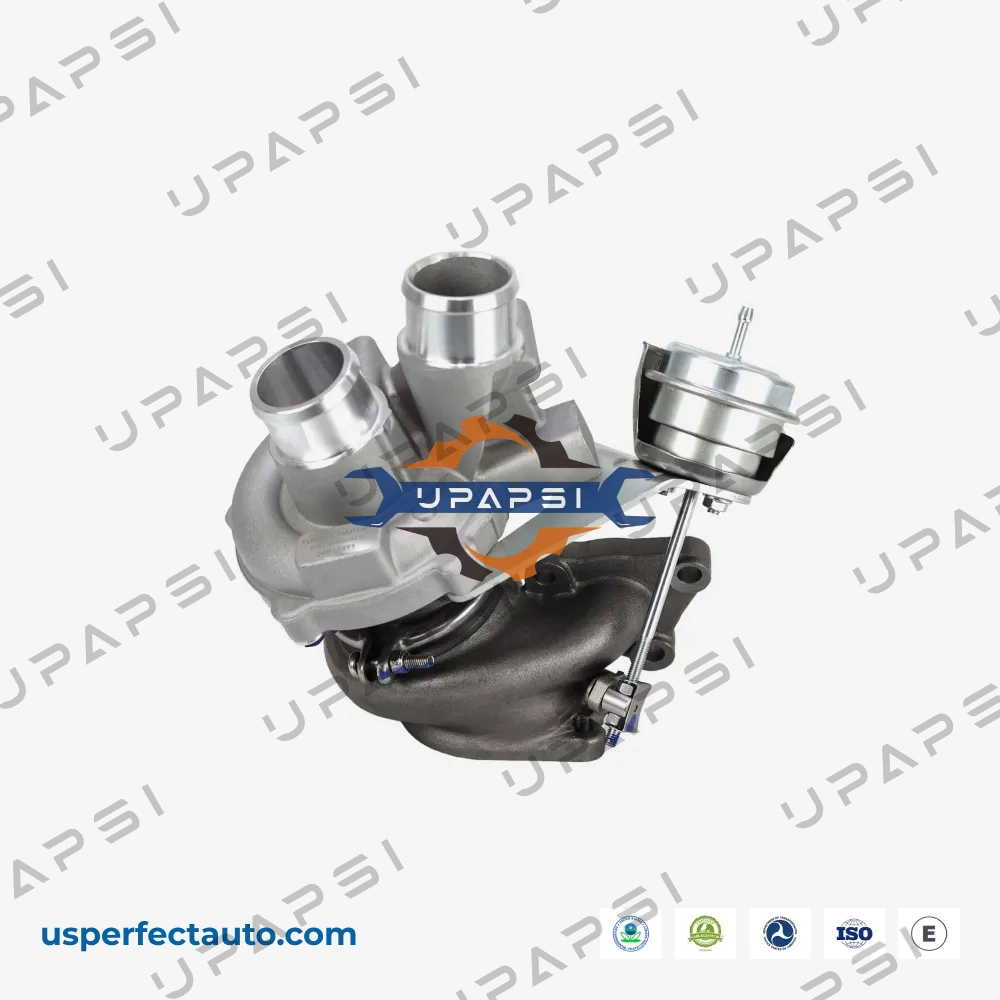
DL3E6C879AD, DL3E6C879AF, DL3E6C879AE, 53039880469, 5303-988-0469
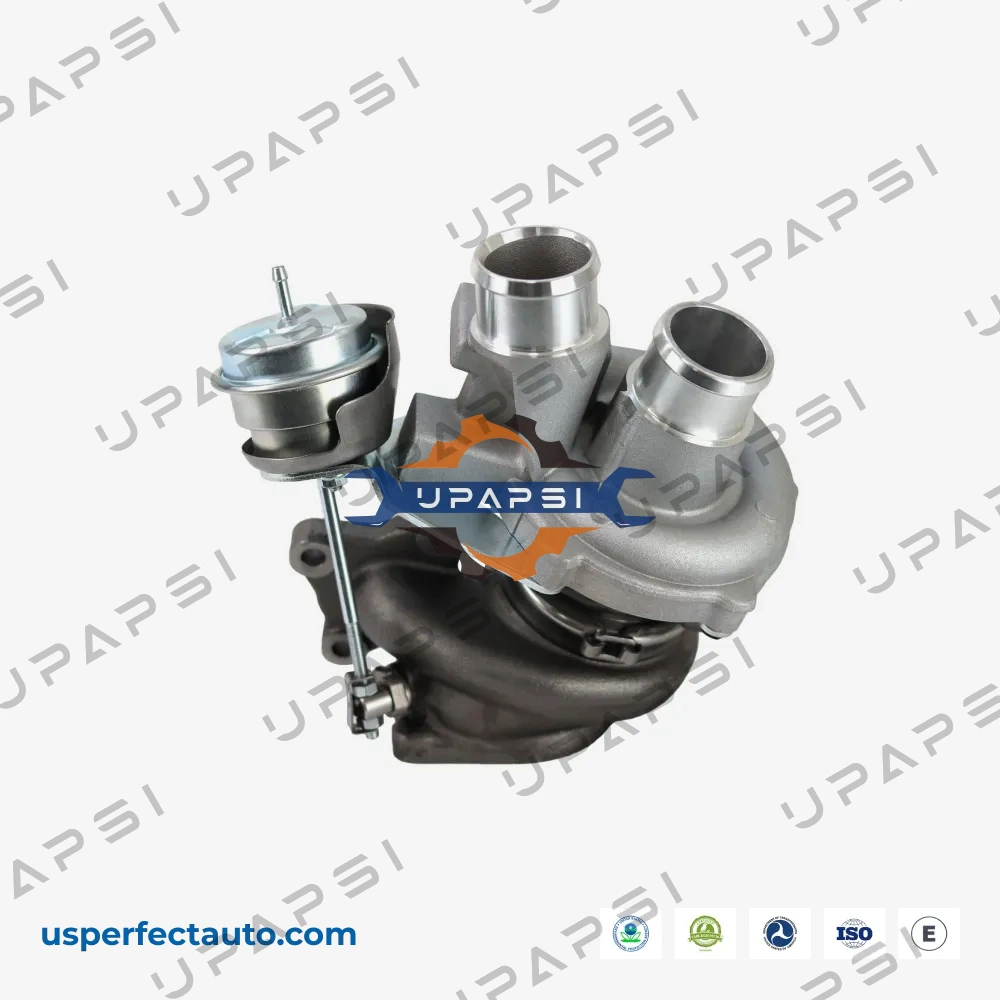
53039880470, 53039700470, 5303-988-0470, 5303-970-0470, DL3E6K682AE, DL3E6K682AA
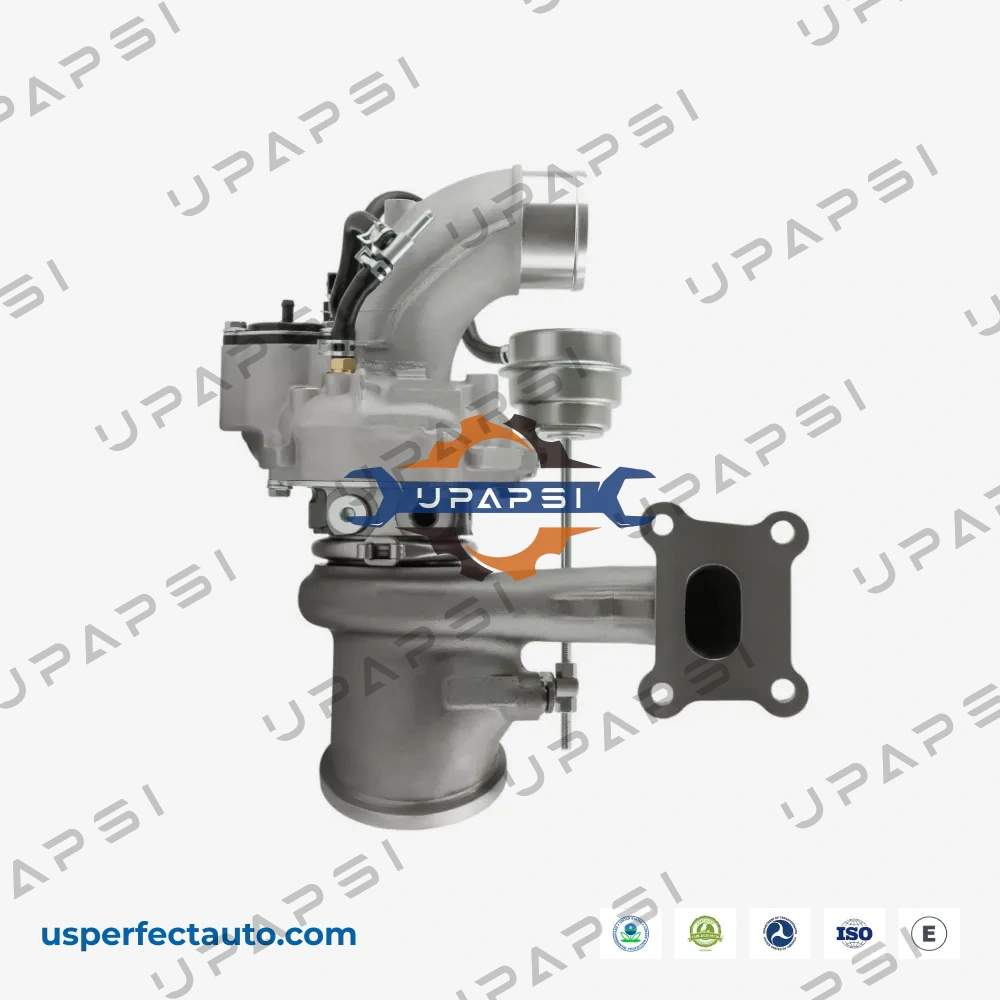
53039880368
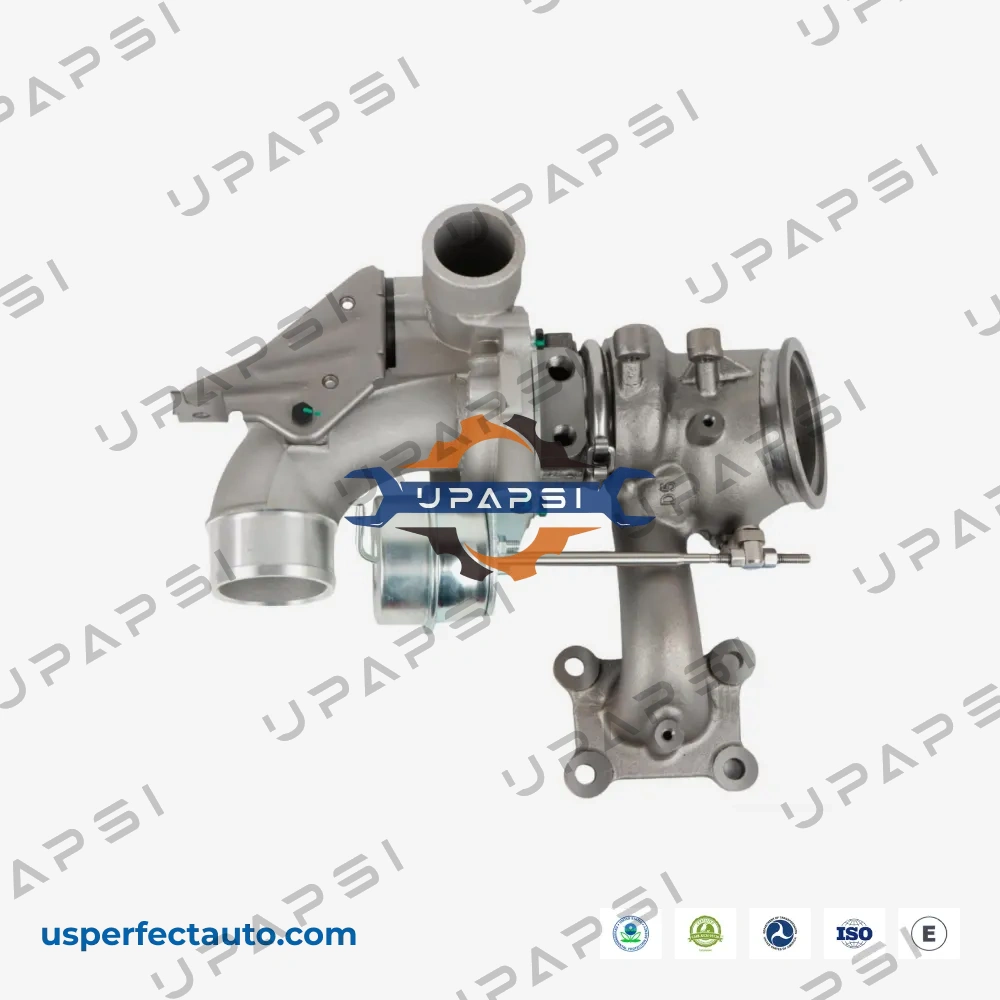
53039880270
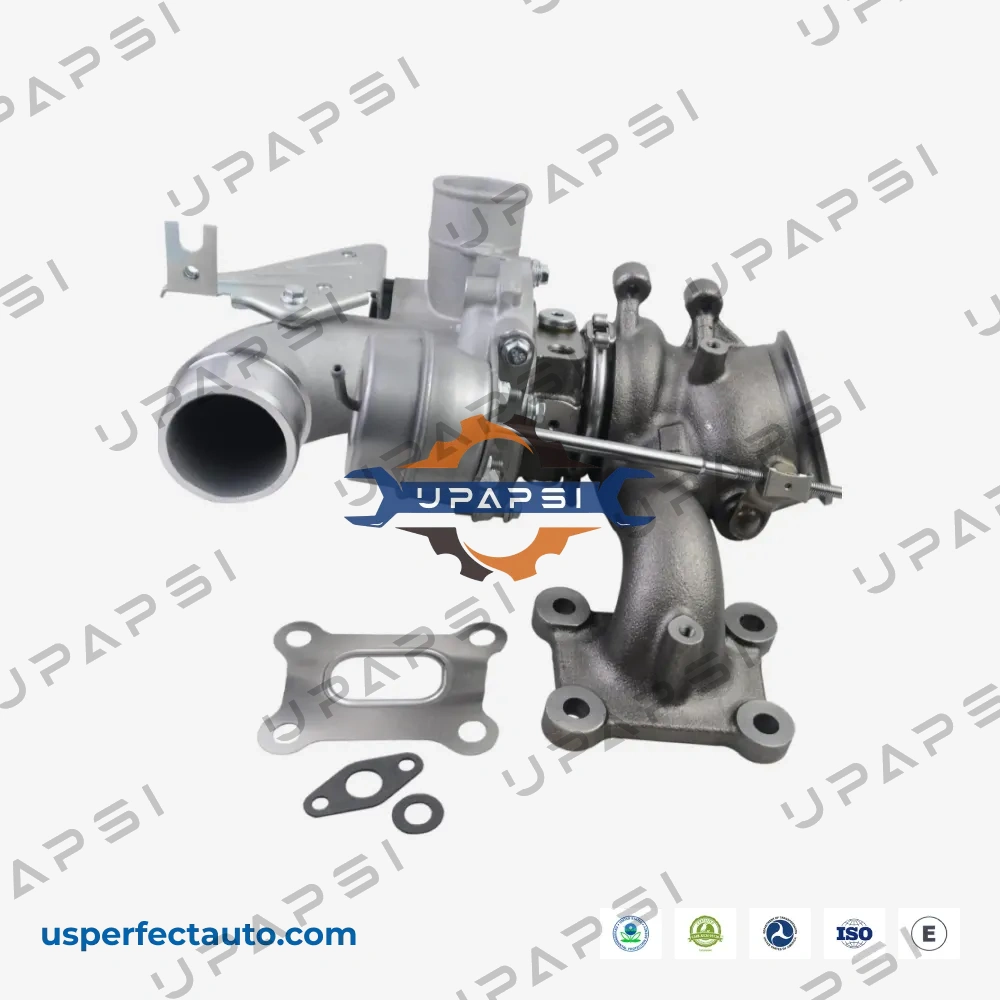
53039880271, CB5E-6K682-BA
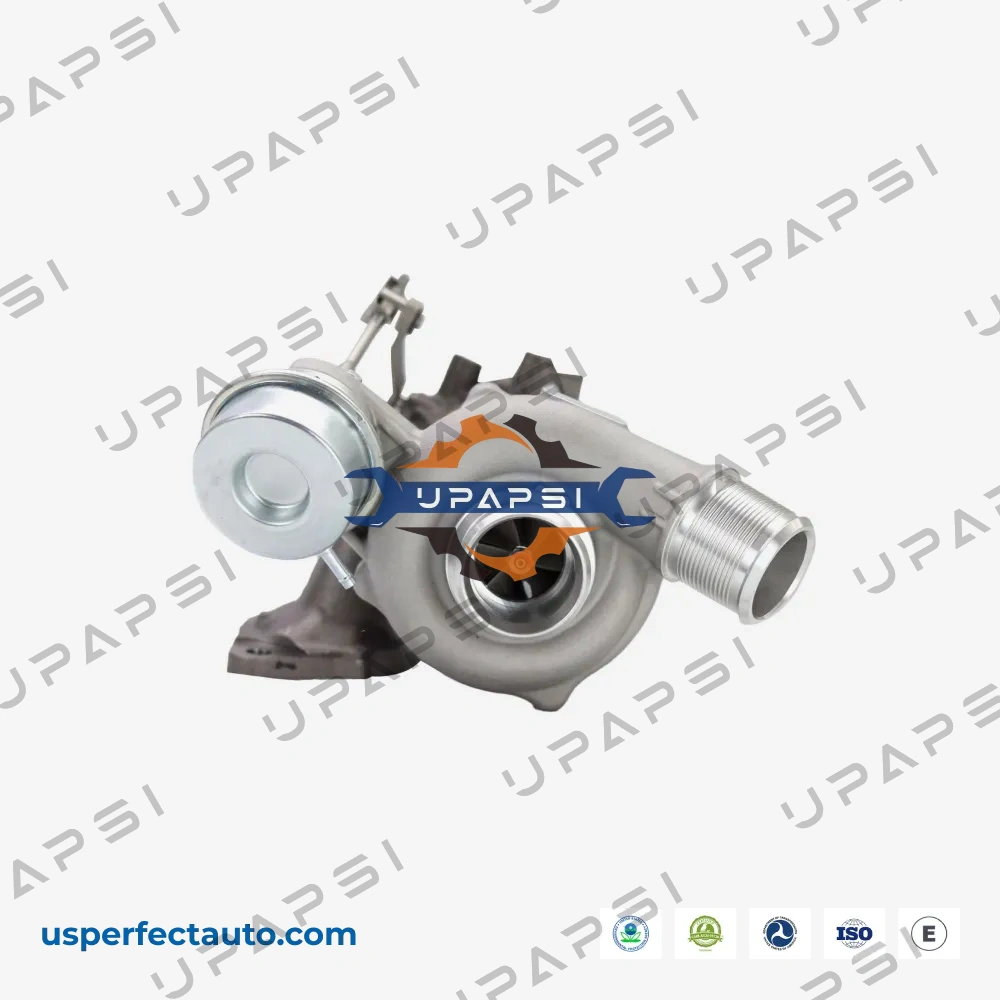
JTE4-6C879-AB
Ford turbo work splits into two completely different worlds — heavy diesel Powerstroke trucks where turbo failure means a tow truck, and high-volume EcoBoost cars and light trucks where turbo jobs stack up in the shop. We stock both sides because most Ford-focused shops work on both, and getting turbos from a single verified source cuts ordering errors in half.
We stock the GTP38 for the seven-three Powerstroke (the turbo that built the Powerstroke reputation), the GT3782V for the six-liter (the truck that tested it), and both sides of the V2S compound system for the six-four. The six-liter turbo has a well-earned reputation for vane sticking, bearing wear and unison ring problems. A fresh unit with new vanes and a properly machined unison ring settles the truck down.
BorgWarner K03 turbochargers power the two-liter and 2.7L EcoBoost engines across the Ford lineup — Escape, Focus, F-150, Edge. The 3.5L V6 EcoBoost in the F-150, Expedition, Navigator and Transit runs the larger MGT1549SL and GT1549SL. We stock left-bank and right-bank units where the engine uses paired turbos.
The Powerstroke six-four runs a BorgWarner V2S compound twin-turbo — a small high-pressure unit on the exhaust manifold and a larger low-pressure unit downstream. They fail independently. We stock both HP and LP sides so your shop replaces only what failed, or does the pair while the system is apart.
Ford turbo part numbers cross multiple OEM suppliers — Garrett on the seven-three and six-liter, BorgWarner on the six-four and EcoBoost. Each product page lists the Ford casting number, the OEM turbo number and the common interchange numbers so there is no ambiguity on fitment.
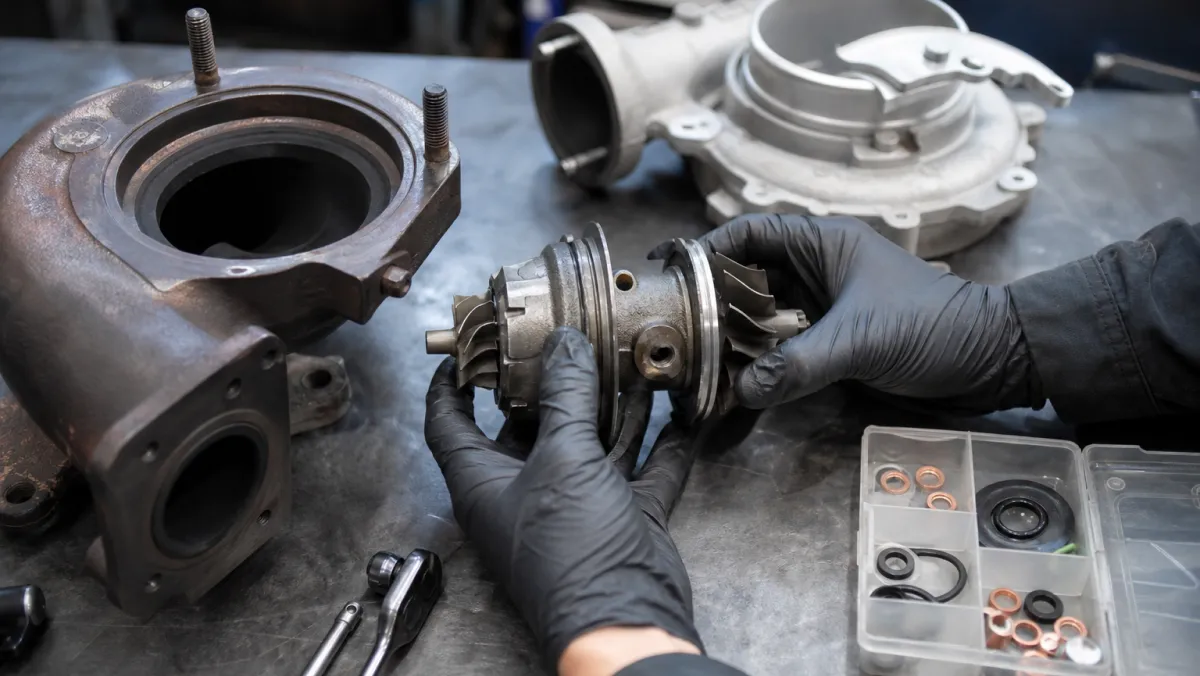
Every Ford turbo we ship is 100% new — not remanufactured, not rebuilt from a core. No core deposit tying up your money, no old unit to box and ship back. The Powerstroke turbo market is flooded with poorly rebuilt units that fail within months — a new unit eliminates that risk.
Diesel and gas Ford turbo work covered from one inventory — Powerstroke diesels from the seven-three to the six-seven, and EcoBoost gas applications from the K03 to the MGT1549SL. One-year warranty on every unit, handled by our US team. On the six-liter specifically, we check the obvious kill chain before shipping — oil condition, stand pipe condition, ICP leaks — because the turbo often dies from upstream engine problems that a new turbo cannot fix. See the warranty page.
We stock the GTP38 for the seven-three Powerstroke (the turbo that built the Powerstroke reputation), the GT3782V for the six-liter (the truck that tested it), and both sides of the V2S compound system for the six-four. The six-liter turbo has a well-earned reputation for vane sticking, bearing wear and unison ring problems. A fresh unit with new vanes and a properly machined unison ring settles the truck down.
BorgWarner K03 turbochargers power the two-liter and 2.7L EcoBoost engines across the Ford lineup — Escape, Focus, F-150, Edge. The 3.5L V6 EcoBoost in the F-150, Expedition, Navigator and Transit runs the larger MGT1549SL and GT1549SL. We stock left-bank and right-bank units where the engine uses paired turbos.
The Powerstroke six-four runs a BorgWarner V2S compound twin-turbo — a small high-pressure unit on the exhaust manifold and a larger low-pressure unit downstream. They fail independently. We stock both HP and LP sides so your shop replaces only what failed, or does the pair while the system is apart.
Ford turbo part numbers cross multiple OEM suppliers — Garrett on the seven-three and six-liter, BorgWarner on the six-four and EcoBoost. Each product page lists the Ford casting number, the OEM turbo number and the common interchange numbers so there is no ambiguity on fitment.
Every Ford turbo we ship is 100% new — not remanufactured, not rebuilt from a core. No core deposit tying up your money, no old unit to box and ship back. The Powerstroke turbo market is flooded with poorly rebuilt units that fail within months — a new unit eliminates that risk.
Diesel and gas Ford turbo work covered from one inventory — Powerstroke diesels from the seven-three to the six-seven, and EcoBoost gas applications from the K03 to the MGT1549SL. One-year warranty on every unit, handled by our US team. On the six-liter specifically, we check the obvious kill chain before shipping — oil condition, stand pipe condition, ICP leaks — because the turbo often dies from upstream engine problems that a new turbo cannot fix. See the warranty page.
WHY CHOOSE US
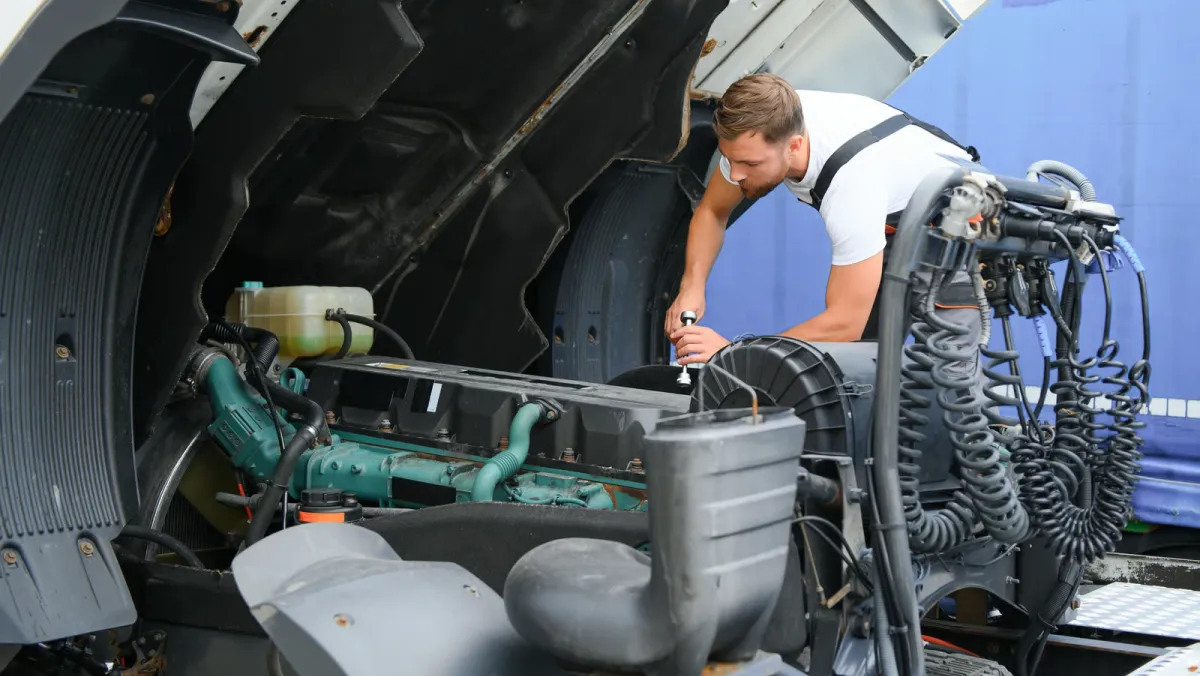
We match the turbo to the engine by part number, hold inventory on a US shelf for both diesel and gas Ford applications, and pick up the phone when install questions come up. Most orders ship same day. More about our company and quality process.
By generation: the 1999.5-2003 7.3L uses the Garrett GTP38. The 2003-2007 6.0L uses the Garrett GT3782V (also marked GT37VA). The 2008-2010 6.4L uses BorgWarner's V2S compound system — a high-pressure and low-pressure turbo working in series. Each generation is a different turbo, and mid-year changes exist on the 6.0. Match by the part number on the old turbo's data plate.
Two. The 6.4L Powerstroke runs a compound twin-turbo system — a small high-pressure turbo mounted directly on the exhaust manifold and a larger low-pressure turbo downstream. The ECM regulates exhaust flow between the two stages. They can be replaced individually, and we stock both the HP and LP units.
The 6.0L has several upstream problems that starve or contaminate the turbo: high-pressure oil leaks from stand pipes and dummy plugs reduce oil supply, failed EGR coolers push coolant into the intake, and oil quality degrades faster on this engine due to fuel dilution and soot loading. A new turbo bolted onto a 6.0 with unresolved oil or EGR issues will fail again. Fix the engine first, then install the turbo.
The BorgWarner K03 runs the 2.0L EcoBoost (Escape, Focus, Fusion, Edge) and the 2.7L EcoBoost (F-150). On the 2.7L, the engine uses two K03 turbos — left and right bank — each sold individually. On the 3.5L V6 EcoBoost (F-150, Expedition, Navigator, Transit), the larger MGT1549SL and GT1549SL turbos are used, also in a twin configuration.
All units are 100% brand new. No core charge, nothing to return. New CHRA, new wheels, new housings. Balanced and matched to OEM specs. One-year warranty.
Yes. Ford diesel shops and general repair shops that handle both Powerstroke and EcoBoost work are core customers. Consistent wholesale pricing from US stock. See the wholesale page.
Ford's turbo history covers two very different programs — the Powerstroke diesel trucks that ran from 1994 through 2010, and the EcoBoost gas engines that have been expanding across the Ford lineup since 2009. Both need turbo service, but the failure modes, service procedures and parts are completely different.
| Engine | Years | Turbo | Manufacturer | Type |
|---|---|---|---|---|
| 7.3L | 1999.5-2003 | GTP38 | Garrett | Single, wastegated |
| 6.0L | 2003-2007 | GT3782V / GT37VA | Garrett | VGT, unison ring |
| 6.4L | 2008-2010 | V2S (HP + LP) | BorgWarner | Compound twin |
The GTP38 is a single Garrett turbo with a wastegate actuator and an exhaust backpressure valve (EBPV) used for cold-start warmup. At 20+ years old, most surviving 7.3s need turbo service for bearing wear, shaft play or wastegate failure. The pedestal mounting system and EBPV configuration vary between early 1999 and late 1999+ trucks — confirm the bolt count on the compressor housing (4-bolt early vs 5-bolt late) before ordering.
The 6.0L Powerstroke earned its reputation for unreliability, and much of that blame falls on the turbo. The GT3782V is a variable geometry turbo with a unison ring that controls the vane position — when the ring sticks or the vanes seize from soot, boost control is lost. But the turbo is often a victim, not the cause. High-pressure oil leaks from stand pipes and dummy plugs starve the turbo of lubrication. Failed EGR coolers push coolant into the intake tract. Fuel dilution in the oil accelerates bearing wear. Replacing the turbo without fixing these upstream issues guarantees a repeat failure. The sequence matters: bullet-proof the oil and EGR systems first, then install the turbo.
The 6.4L runs BorgWarner's V2S regulated compound system — a small high-pressure turbo on the manifold spools first for low-RPM response, and a larger low-pressure turbo handles volume at higher RPM. The two units share an oil feed and are mounted in a stacked configuration that makes access tight. When diagnosing, check each stage independently — shaft play on the HP side does not mean the LP side is bad, and vice versa. We stock both the high-pressure and low-pressure V2S units.
| Engine | Vehicles | Turbo | Config |
|---|---|---|---|
| 2.0L I4 | Escape, Focus, Fusion, Edge | K03 | Single |
| 2.7L V6 | F-150 | K03 (L+R) | Twin, left/right bank |
| 3.5L V6 | F-150, Expedition, Navigator, Transit | MGT1549SL / GT1549SL | Twin, left/right bank |
EcoBoost turbo failures tend to be oil-related — carbon buildup in the center section from degraded oil or extended oil change intervals. The 2.0L is notorious for wastegate rattle at cold start, which eventually progresses to full wastegate failure. On twin setups (2.7L and 3.5L), replacing one turbo while the other is marginal leads to a comeback — check both sides while the job is apart.