6.0 Powerstroke Turbo Replacement: Cost, Fitment by Build Date & Failure Signs
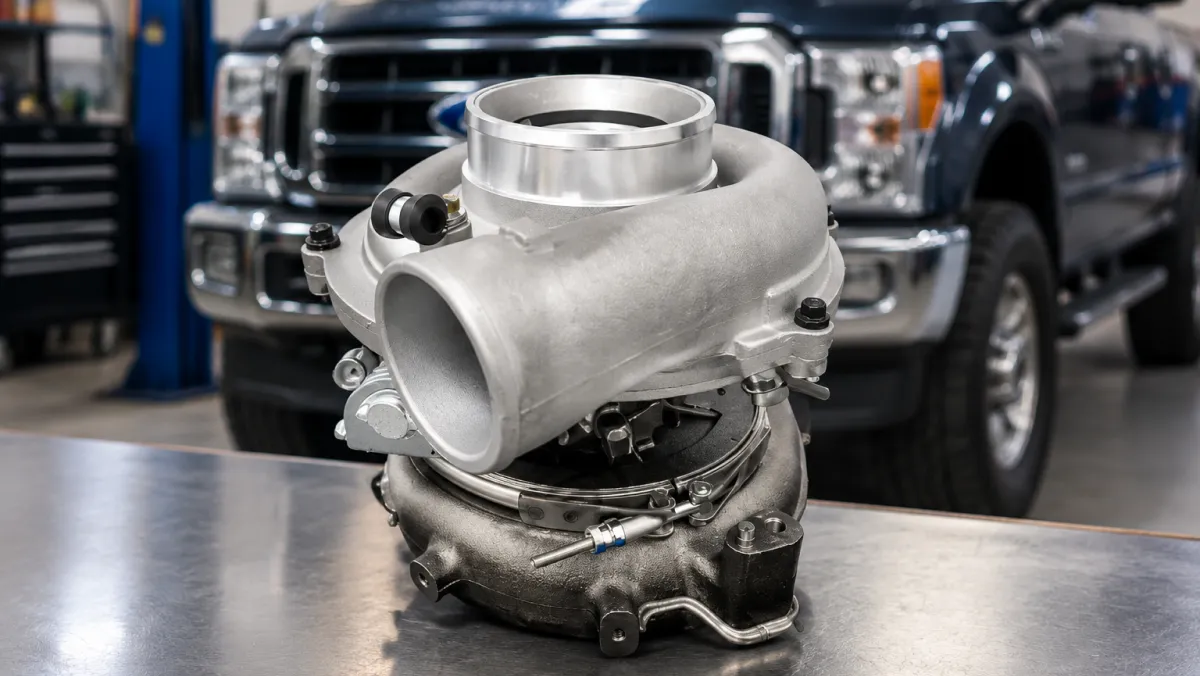
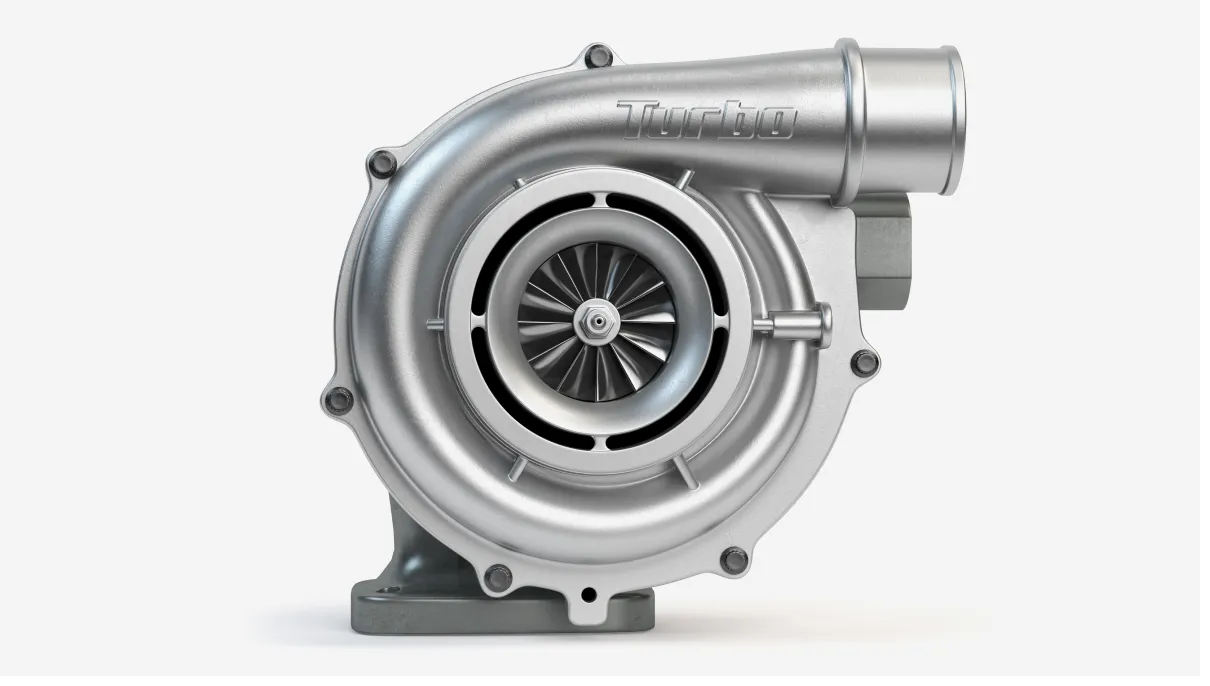
The 6.0L Power Stroke (2003-2007) has a well-earned reputation, and the turbocharger sits near the top of the list of parts owners eventually replace. The Garrett GT3782VA is a variable-geometry unit whose nine movable vanes live in one of the dirtiest environments on the engine, right behind an EGR system that routes soot back through the exhaust stream. When boost gets lazy or the truck starts smoking under load, the turbo is the usual suspect — but a weak solenoid or a split charge-air boot produces the same complaint. This guide covers how to confirm the turbo is actually the problem, which GT3782VA variant your truck takes, what replacement costs in the current US market, and when a rebuild, a reman, or an upgrade makes more sense than a straight swap.
How Do You Know the Turbo Is Actually the Problem?
6.0 Powerstroke turbo problems follow a consistent pattern. Roughly in the order shops see them:
- Lazy boost and power loss under load. The truck feels flat on grades and on-ramps, and boost builds slowly where it used to snap in.
- Boost that surges or hunts at steady throttle. Vanes stuck with soot cannot hold the commanded position, so boost rises and falls on its own.
- A siren or whine that tracks engine speed. New noises from the top rear of the engine deserve attention before they become metal damage.
- Black smoke under load. Boost that cannot keep up with fueling shows up as smoke on hard acceleration or towing.
- A hiss that was not there before. Charge-air boots and clamps age; a boost leak mimics a dying turbo almost perfectly.
- Oil film inside the charge-air pipes. Worn seals pass oil into the intake side — check at the boots, a five-minute inspection.
- Underboost codes. P0299 and P2263 are the usual pair on these trucks, alone or together.
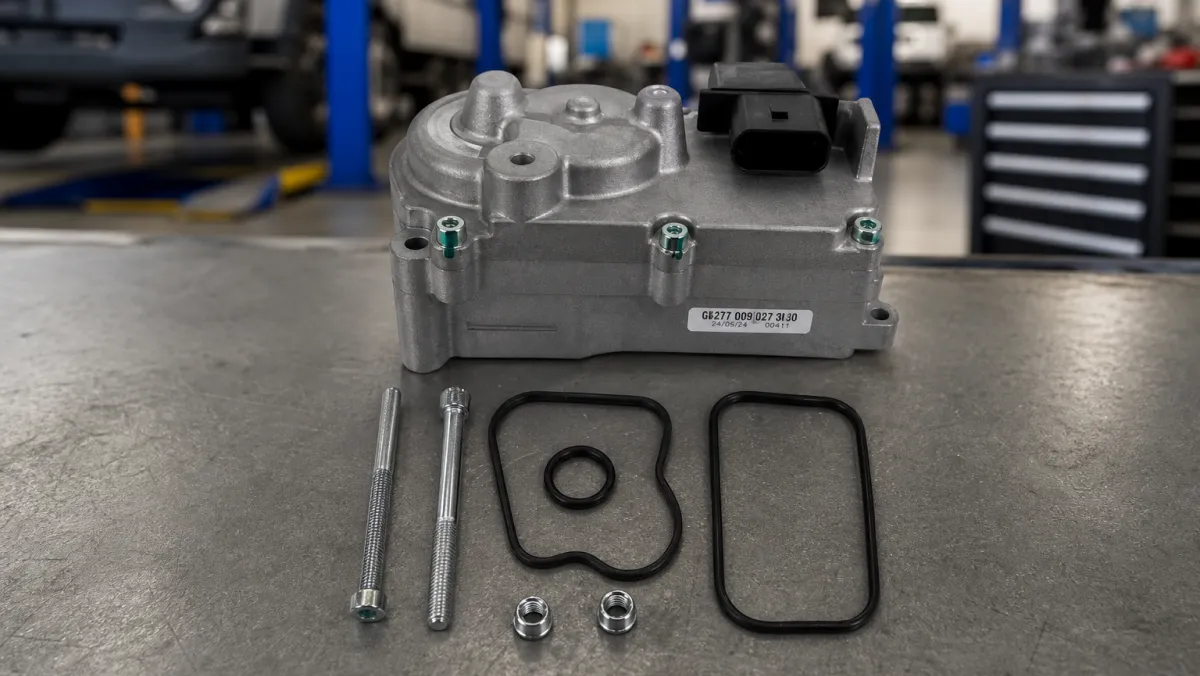
Before the turbo gets condemned, check the VGT solenoid. The GT3782VA is positioned by an electro-hydraulic solenoid mounted on the turbo itself, and it fails on its own schedule. When it does, the vanes stop moving and the turbo behaves like a fixed-geometry unit: sluggish at low rpm, then underboost or overboost depending on where the vanes stuck. A scan tool that can command a vane sweep answers this in minutes, and a solenoid costs a fraction of a turbocharger. Check the connector and harness while you are there — oil intrusion into the plug is common on high-mileage trucks. A pressure test of the charge-air system is the other five-dollar check that saves a fifteen-hundred-dollar mistake.
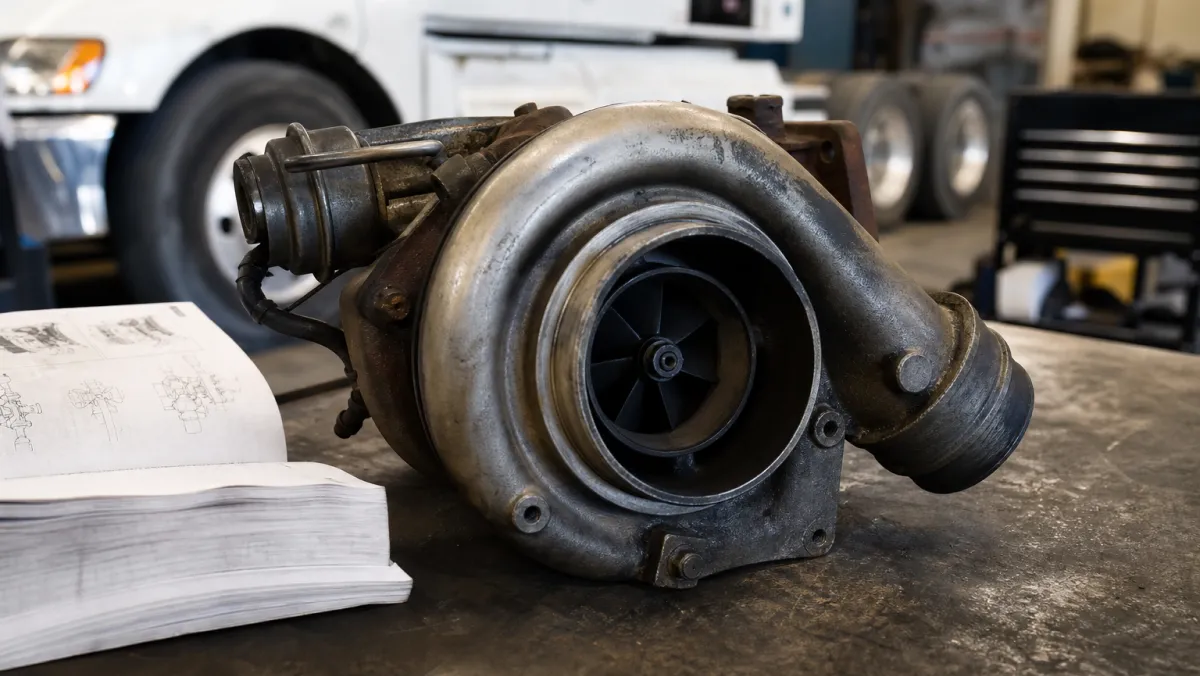
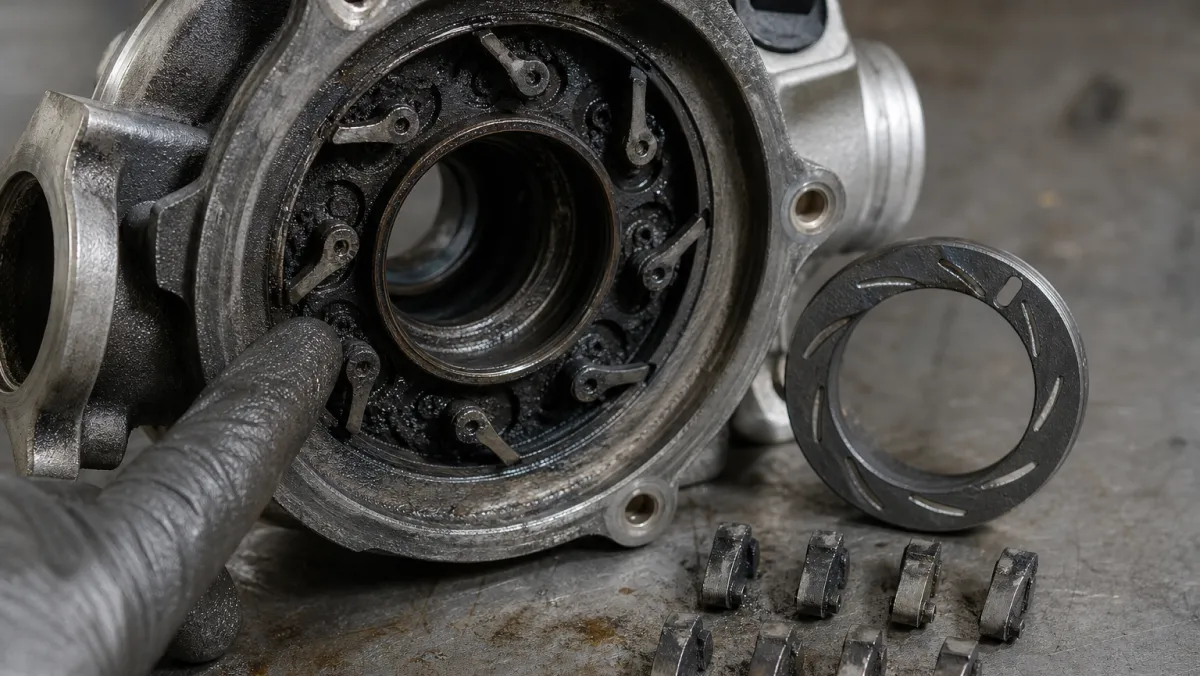
Context helps the diagnosis. The 6.0's EGR system feeds sooty exhaust back through the intake, and the turbo's vanes sit in the exhaust stream full-time. Soot builds on the vanes and the unison ring until travel gets stiff — this is the signature 6.0 failure, and it accelerates with long idling, short trips, and overdue oil changes. A turbo that sticks but shows no shaft play, no scoring, and no wheel damage may only need cleaning, which is the cheapest outcome on the table. A turbo with bearing wear or damaged wheels is done, and cleaning it buys weeks at best.
Which Replacement Turbo Fits Your 6.0 Powerstroke?
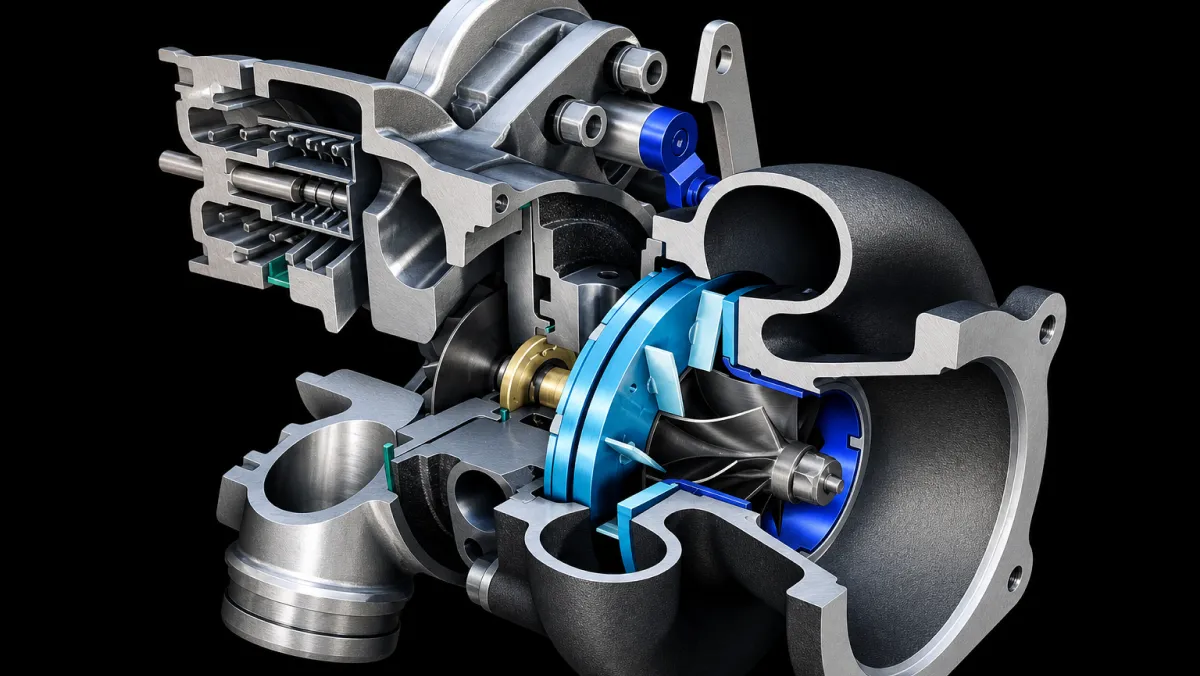
Every 6.0L Power Stroke from 2003 to 2007 — F-250 through F-550, Excursion, and E-Series vans — uses a single-turbo layout built around one model family: the Garrett GT3782VA. It is a variable-geometry turbocharger using Garrett's AVNT (Advanced Variable Nozzle Turbine) design, with nine movable vanes arranged around the turbine wheel and positioned by the electro-hydraulic solenoid. The 6.0 was the first Ford diesel to run VGT, and the same basic turbo architecture covers the whole production run.
One model family does not mean one part. Ford ran three GT3782VA variants across 2003-2007, split by build date, and they do not all interchange:
| Build Date | Variant | Identifiers | Note |
|---|---|---|---|
| 2003 - early build (before late Sep 2003) | Early GT3782VA | 10-blade turbine, 15mm vanes | The loud "whistle" trucks |
| Sep 29, 2003 - Nov 3, 2004 | Mid GT3782VA | Garrett 743250-5013S; Ford 4C3Z-6K682-AARM; International 1843761C94 / 1837984C93 | Range confirmed on our listing; interchanges 1837984C91, 1840054C97, 1840054C98 |
| Late 2004 - 2007 | Late GT3782VA | Revised 13.2mm vanes, updated calibration | Different vane hardware from the early unit |
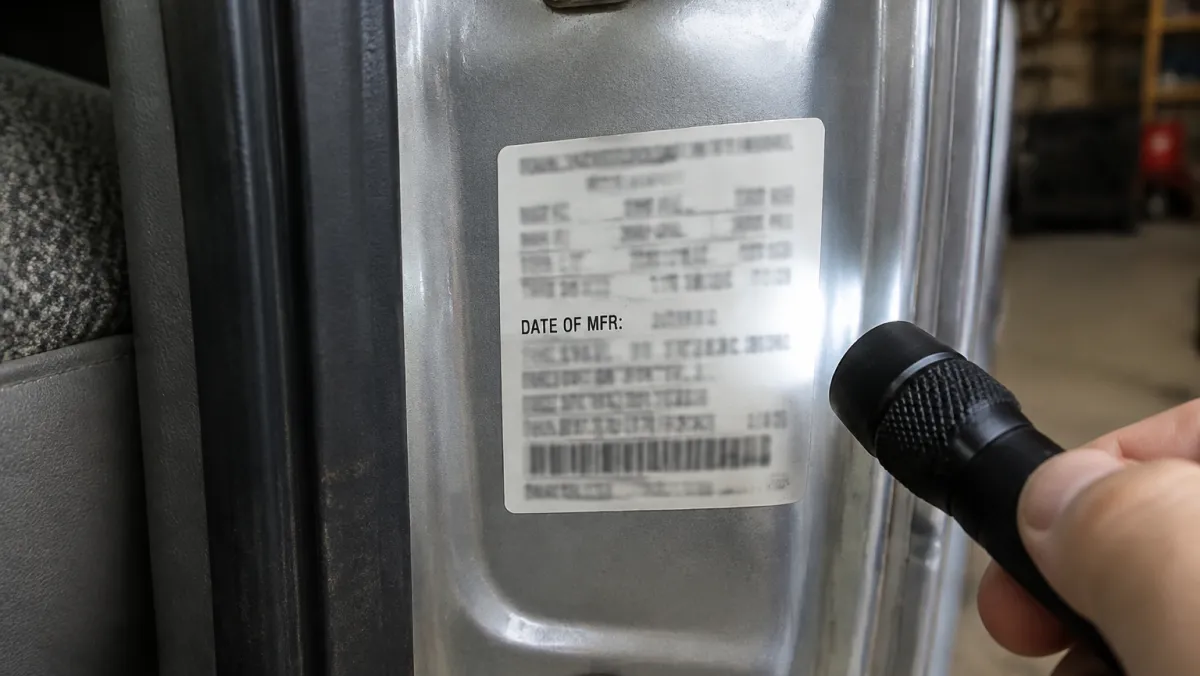
The published split dates on the early and late variants are approximate, which is exactly why ordering by model year alone is how shops end up with the wrong turbo on the bench. Two checks settle the question. First, read the production date on the driver-door VIN label. Second, read the part number off the old turbo's nameplate. If the plate is oil-soaked or missing, the door label plus a photo of the turbo gets us to the right variant. We verify every order against the part number before anything ships, because the mid-run split is where mistakes happen. Our GT3782VA for 2004-2005 6.0L Power Stroke covers the September 2003 to November 2004 build range with Garrett 743250-5013S and its interchanges — the truck list runs F-250 through F-550, Excursion, and E-350/E-450 vans.
How Much Does 6.0 Powerstroke Turbo Replacement Cost?
RepairPal's estimate (updated September 2026) for a Ford F-250 Super Duty turbocharger assembly replacement: $2,999 to $3,975 for the complete job, with labor at $675 to $991 and parts at $2,324 to $2,984. That parts figure reflects OEM-channel pricing. The aftermarket runs well below it — stock-replacement turbos for the 6.0 typically sell in the $1,000 to $1,700 range — and an independent shop will usually quote 4 to 6 hours of labor against Ford's 2.8-hour warranty book time, because rusted V-band clamps and the three pedestal bolts rarely cooperate.
| Route | Typical Unit Cost | Typical Warranty | Trade-offs |
|---|---|---|---|
| Rebuilt (kit, DIY) | Lowest parts outlay | None beyond the kit | Only viable if housings and wheels are healthy; results depend on the person doing the work |
| Remanufactured | Mid-range | 6-12 months typical | Core charge, return freight both ways, and the unit's history is unknown |
| New, dealer channel | $2,324-2,984 (RepairPal parts range) | Strongest on paper | Highest price, possible lead time |
| New, aftermarket from US stock | $1,000-1,700 range for stock-replacement units | 1 year (our standard) | OEM-spec fit and function without dealer pricing |
That last row is the position we supply from. Each GT3782VA we ship is brand new — no core charge, no unknown service history — with the VGT solenoid and gaskets in the box. Units are balanced, flow-tested, and oil-leak checked at production, verified against your part number, and dispatched from US stock within 24 hours under a one-year warranty. For the wider cost picture across diesel platforms, see our diesel turbo replacement cost guide.

Rebuild, Reman, or New — Which Replacement Route?
The decision is shorter than forum threads make it look:
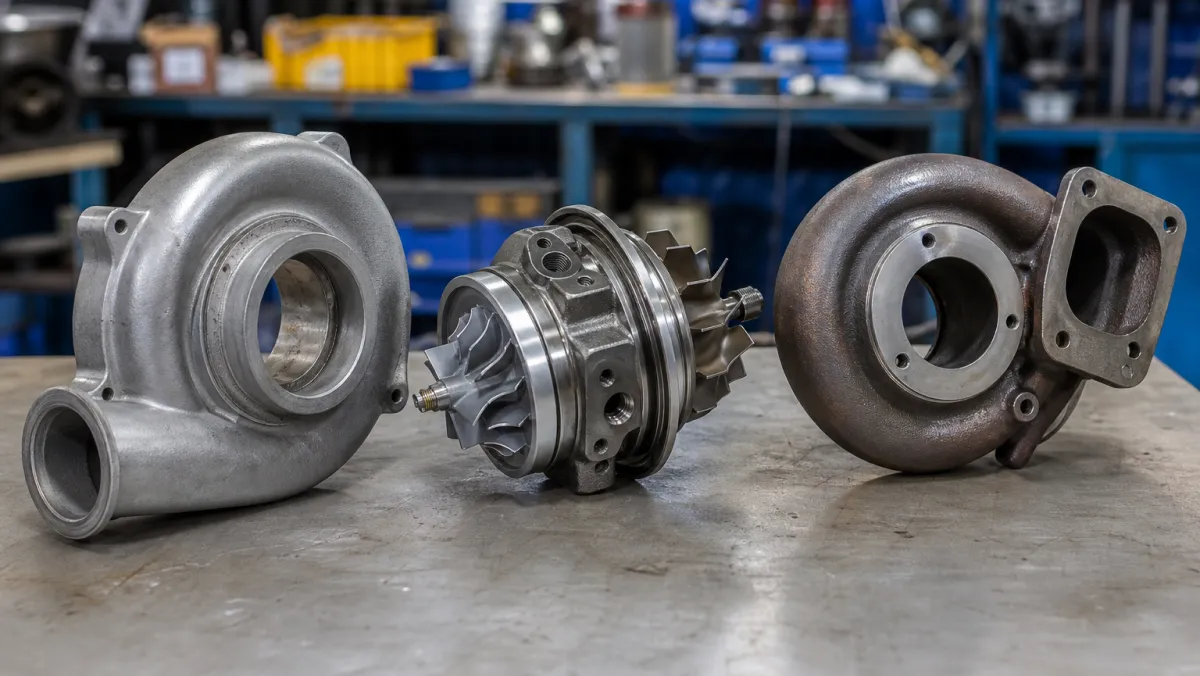
- Clean or rebuild when the failure is soot — vanes sticking, unison ring sluggish — and the shaft, bearings, and housings still measure up. Cleaning means stripping the turbine side, soaking the vane pack, freeing each vane by hand, and checking the unison ring for wear grooves; a rebuild kit adds seals, bearings, and usually the ring itself. The work is within reach of a careful DIY mechanic with the turbo on the bench, provided you can measure what you are looking at. Shaft play, scoring, or bent fins mean rebuilding is money spent twice.
- Remanufactured when budget rules the decision and you can absorb the core process: crating the old unit, freight both ways, waiting on core credit. You are buying someone else's wear pattern with new internals, and quality varies by rebuilder.
- New when the truck earns money. No core to manage, no unknown history, predictable behavior from the first mile, and a warranty that starts at zero hours. On working trucks, downtime usually costs more than the price difference.
For the full decision framework across diesel applications, see turbo rebuild vs replace.
How Long Does the Swap Take, and What's Involved?
Ford's warranty book time for the R&R is 2.8 hours; plan on 4 to 6 hours for a careful DIY job. The work is entirely top-side on Super Duty trucks — no cab lift, no special fixtures. The sequence that experienced 6.0 hands follow:
- Disconnect the batteries.
- Remove the air intake tube and charge-air cooler tubes.
- Remove the coolant degas bottle and move the main wiring harness that runs above the turbo along the cowl.
- Unplug the VGT solenoid connector, then disconnect the oil feed line up top.
- Loosen the downpipe V-band clamp and the up-pipe clamp — a swivel-head ratchet earns its keep on the up-pipe.
- Remove the three pedestal bolts, then lift the turbo straight up to release it from the oil drain tube.
Installation habits decide whether the new unit lasts:
- Prime the center bearing with clean engine oil before startup — a syringe through the feed port works fine.
- Replace the up-pipe gaskets and turbo pedestal O-rings; reusing them is how boost and oil leaks start.
- Inspect the oil feed line for restriction. A starved new turbo fails the same way the old one did.
- After installation, command a vane sweep with a scan tool to confirm VGT travel before the first drive.
- Idle several minutes after the first start to establish oil pressure before loading the engine.
Since the valley is already open, this is also the cheapest opportunity to deal with neighbors: inspect the oil feed line and replace it if there is any doubt, check the degas bottle hoses for softness, and clean the EGR valve while access is easy. An hour of prevention here beats pulling the turbo again in six months.
Stock GT3782VA or an Upgrade?
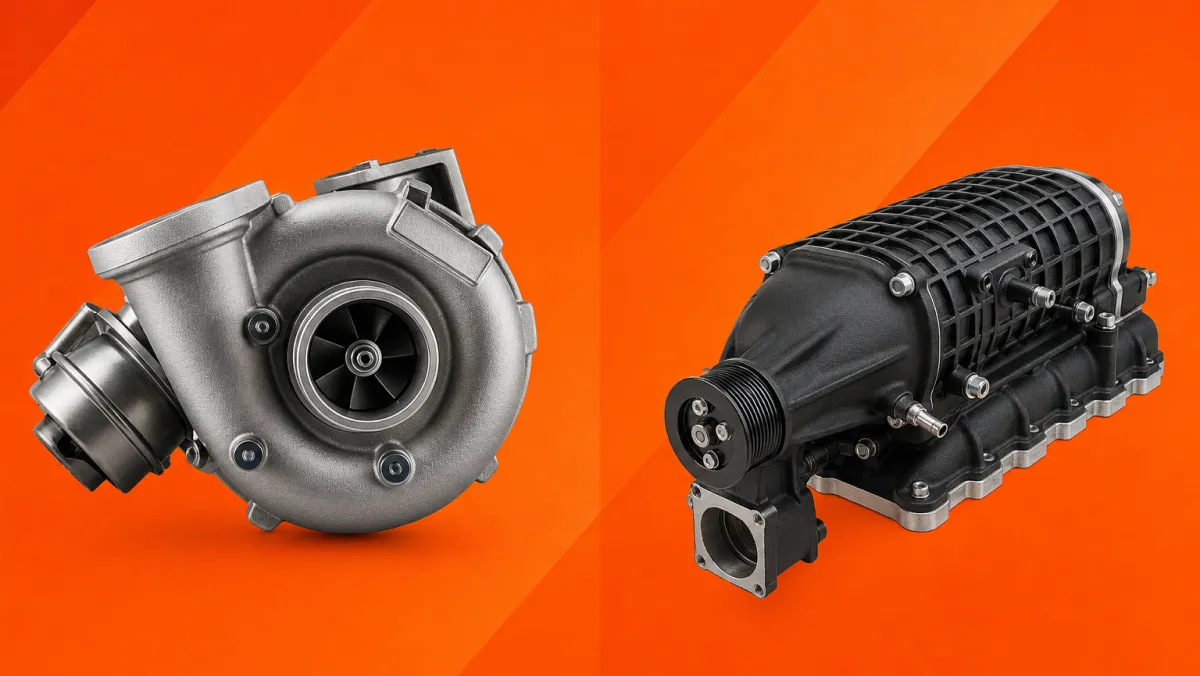
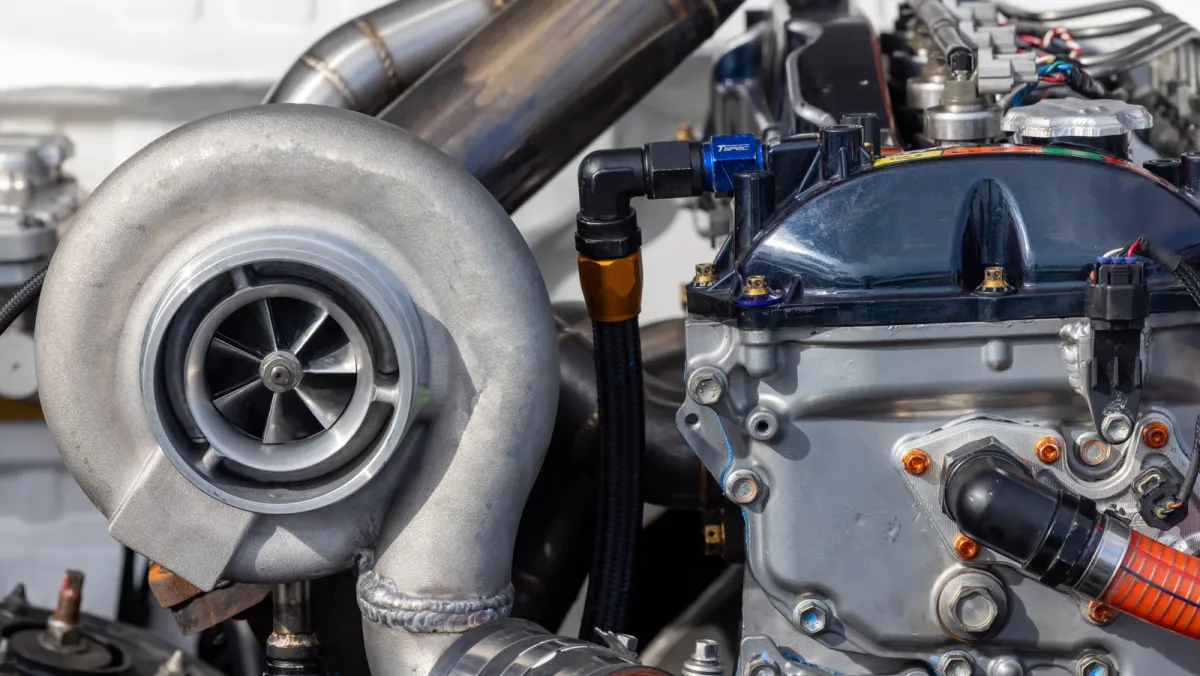
The 6.0 aftermarket is deep, and three upgrade paths come up constantly. A 10-blade turbine wheel swap — the 2003-style wheel — is mostly about the whistle; performance gains are modest. Drop-in stage turbos in the 63mm class support roughly 650-700 hp with supporting fuel and tuning, per Diesel Power Products' published figures. Non-VGT conversions replace the GT3782VA with fixed-geometry hardware: nothing to stick, but they require tuning and give up the low-rpm response the VGT was designed to deliver.
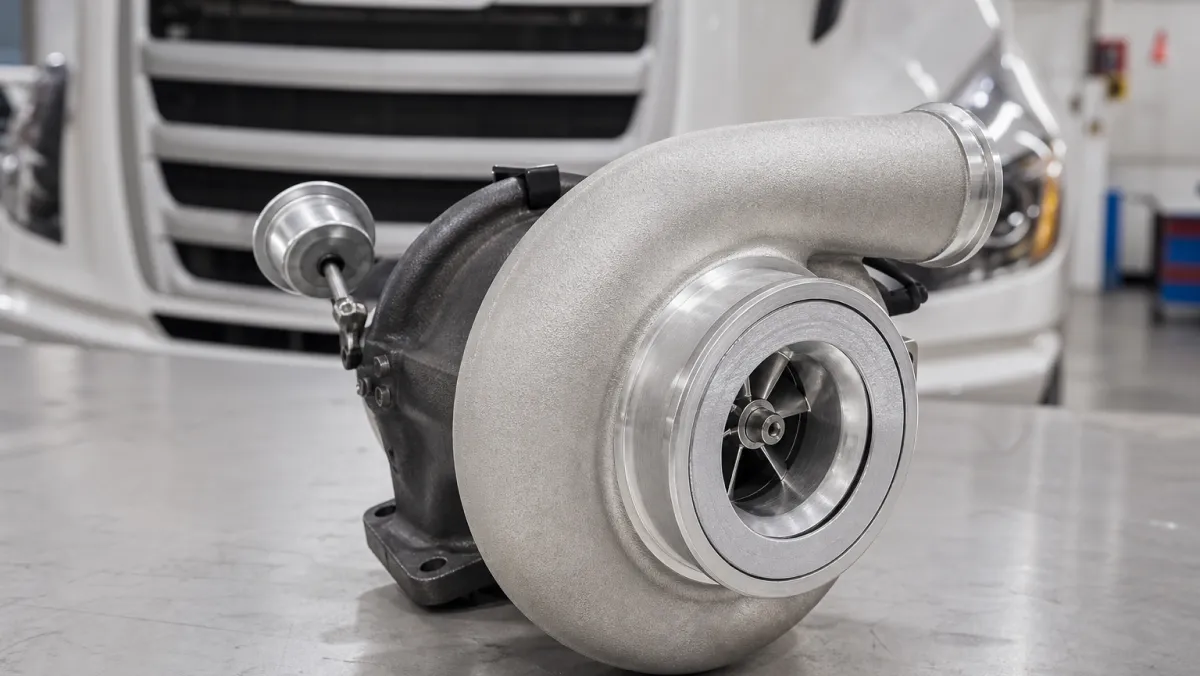
For a truck that tows or works at stock power, a new stock-spec GT3782VA is the dependable answer. The turbo was sized around the 6.0's HEUI fueling and EGR flow, its failure modes are well understood, and parts support is deep. Upgrades start making sense when injectors, tuning, and head studs are already in the plan. Our Ford turbocharger range covers the Powerstroke line from the 7.3 GTP38 through the 6.4 V2S compound setup, all new and all in US stock.
The short version: check the solenoid before condemning the turbo, match the GT3782VA by build date and nameplate number, and fix what killed the old unit before the new one goes on. Send us the part number off your old turbo — or a photo of the door VIN label — and we will confirm exact fitment against our US-stocked, brand-new inventory, with a one-year warranty and no core charge, before you commit to anything.

FAQ
Every 6-0 Power Stroke (2003-2007) uses the Garrett GT3782VA, a variable-geometry turbo with nine movable vanes positioned by an electro-hydraulic solenoid. One model family covers all years, but three build-date variants exist — match by the nameplate part number, not the model year.
Lazy boost and power loss under load, boost that surges at steady throttle, a siren or whine tracking engine speed, black smoke under load, hissing from a boost leak, oil film in the charge-air pipes, and underboost codes such as P0299 and P2263. Check the VGT solenoid before condemning the turbo — a failed solenoid produces the same symptoms.
RepairPal (September 2026) puts a Ford F-250 Super Duty turbocharger assembly replacement at $2,999 to $3,975 total, with labor $675 to $991 and parts $2,324 to $2,984. Aftermarket stock-replacement turbos typically run $1,000 to $1,700, and DIY installation removes the labor line entirely.
Ford's warranty book time for the R&R is under three hours. Real-world jobs take 4 to 6 hours for a careful DIY mechanic — rusted V-band clamps and the three pedestal bolts are the usual slow points. The job is top-side; no cab lift is needed.
A rebuild is cheaper only when the housings, shaft, and bearings are still healthy and you can do the work — typical when the problem is soot-stuck vanes. Once there is shaft play, scoring, or wheel damage, a new unit is the cheaper long-term answer, with no core charge and a fresh warranty.
There is no fixed interval. Owner and shop reports commonly see 6-0 turbos needing cleaning or replacement around 100,000 to 150,000 miles, mostly from soot-stuck vanes. Oil change discipline, cool-down idling, and fixing EGR or coolant issues early extend service life well past that.
The 10-blade turbine wheel came on 2003 and early-2004 build-date trucks — those are the louder "whistle" turbos. Later builds (late 2004 through 2007) moved to revised vane hardware and a quieter turbine. Confirm by the production date on the door VIN label rather than the model year.